Show summary Hide summary
- Sequence of events: from portal entry to reversal
- What the Washington agreement reportedly said
- Who was involved and what they said
- Program response and coach comments
- How this could affect transfer and tampering rules
- Demond Williams: on-field profile and two-year numbers
- Context: transfer portal trends and roster strategy
- Related developments and what reporters flagged
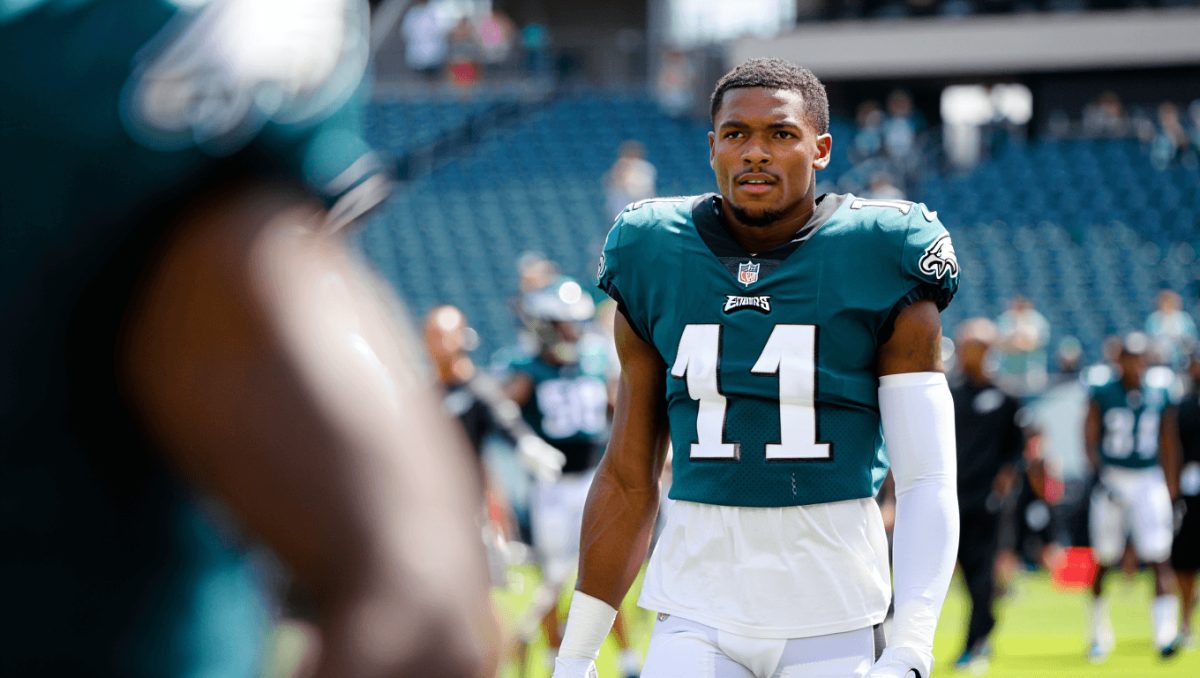
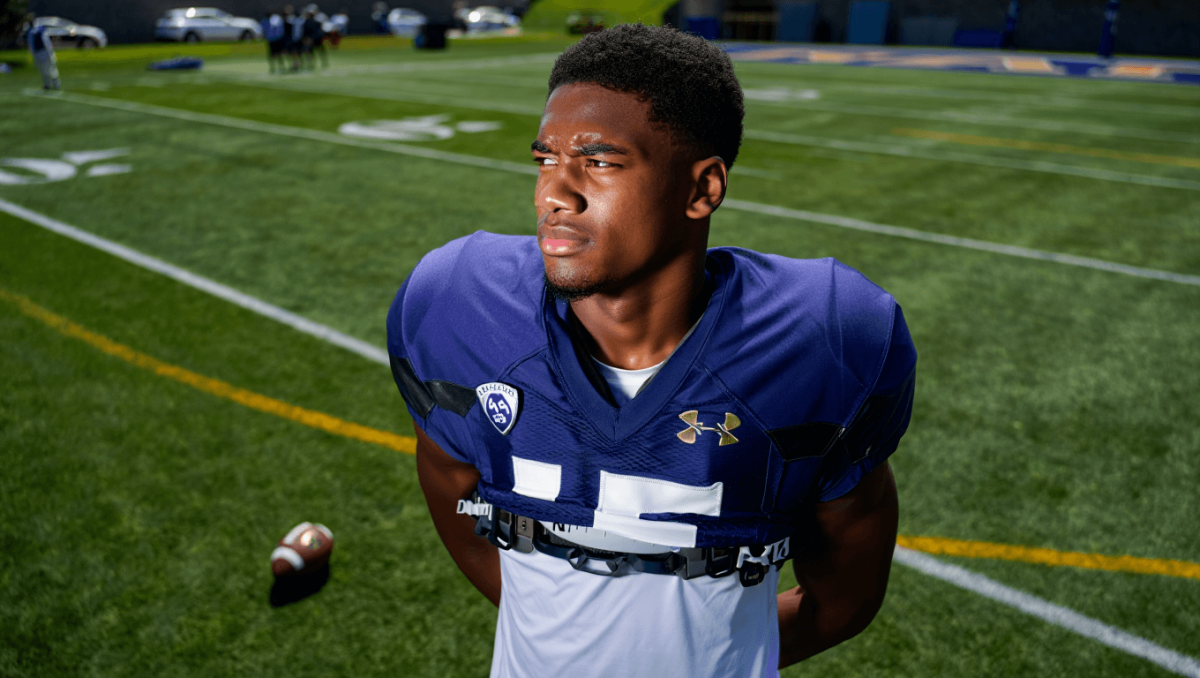
The University of Washington’s offseason took a sudden turn this week when sophomore quarterback Demond Williams briefly declared for the transfer portal, then reversed course after a flurry of legal, league and personnel questions. The back-and-forth highlighted how transfer rules, contract language and NIL-era agreements can collide — and how quickly a single decision can draw national attention.
Sequence of events: from portal entry to reversal
- Williams posted on social media that he planned to enter the transfer portal.
- Soon after, reporting surfaced that he had already signed a return deal with Washington days earlier.
- The school signaled it would pursue legal remedies if the agreement was breached.
- By midweek the Big Ten and school officials were involved, and Williams parted ways with his agent.
- Within 48 hours Williams announced he would remain at Washington and rescind his portal entry.
Nickelodeon star arrested after alleged Malibu burglary
Euphoria season 3: Sydney Sweeney left off set as feud with Zendaya intensifies
Key moments in the dispute
- Initial announcement: Williams said he intended to explore other options for his future.
- Contract revelation: Media reports indicated a recently signed one-year revenue-share deal tied him to the Huskies.
- League attention: Conference officials reviewed the matter as Washington considered evidence of tampering.
- Agent split: Williams and his representative ended their relationship amid differing views.
- Return decision: Williams announced, after consulting family, that he would stay at UW and rejoin the program.
What the Washington agreement reportedly said
Multiple outlets described the terms of Williams’ deal with Washington. While language varied by report, a few points repeatedly appeared in coverage.
- Length and payout: A one-year revenue-share agreement, reported to be near the top of the market.
- Portal restriction: The contract reportedly prevented the player from entering the transfer portal once executed.
- NIL limits: The school’s agreement was said to restrict the use of the player’s NIL by other institutions.
- Buyout control: The university retained unilateral discretion over whether an exit buyout would be allowed and how much it would cost.
Those terms, as reported, raise questions about how binding modern college football contracts are when a player seeks to change schools.
Who was involved and what they said
- Washington Athletics: The program publicly emphasized adherence to the signed agreement and said it would defend its legal rights.
- Conference officials: The Big Ten scrutinized the situation amid allegations another school may have tampered after the contract was signed.
- Potential suitors: Media chatter named several programs that might have been interested if Williams became available.
- Agent relationship: Williams’ previous agent announced a split, citing philosophical differences over the handling of the situation.
Program response and coach comments
After Williams confirmed his return, Washington issued statements about rebuilding trust within the program. Head coach Jedd Fisch described frank conversations with the quarterback and emphasized work ahead to regain community confidence.
Williams expressed gratitude to coaches, teammates and staff, and apologized if his timing distracted from university events. He pledged to focus on the upcoming season and on contributing to the team.
How this could affect transfer and tampering rules
The episode illustrates friction points in today’s roster marketplace. Legal clauses, NIL protections and transfer mechanics can create gray areas.
- Universities may rely more on written revenue-share agreements to lock in top talent.
- Leagues are likely to monitor contact rules closely when players sign school documents.
- Agents and player reps may face increased scrutiny over communications that occur after a player signs with a program.
Demond Williams: on-field profile and two-year numbers
Williams rose to prominence as a mobile, accurate quarterback at Washington. Below are his aggregated stats through two seasons with the Huskies.
| Year | Comp-Att | Completion % | Passing Yards | Pass TDs | INTs | Rushes | Rushing Yards | Rush TDs |
|---|---|---|---|---|---|---|---|---|
| 2024 | 82-105 | 78.1% | 944 | 8 | 1 | 83 | 282 | 2 |
| 2025 | 246-354 | 69.5% | 3,065 | 25 | 8 | 143 | 611 | 6 |
Context: transfer portal trends and roster strategy
High-profile quarterbacks moving in the portal have become routine. Schools must now balance contract offers, roster continuity and compliance.
- Programs may adjust recruiting to account for shorter player tenures.
- Coaching staffs face pressure to repair relationships after public disputes.
- Compliance offices will likely increase documentation when late-season or offseason contacts occur.
Related developments and what reporters flagged
- Media outlets tracked the timeline closely and flagged the contract as a legal pivot point.
- Reporters noted transfer-entry tags and portal mechanics that can prevent open contact if a school withholds a player’s name.
- Several outlets speculated which programs stood to gain if Williams had been able to leave.