Show summary Hide summary
- Why beauty and lifestyle companies are flocking to college sports
- What modern NIL deals look like for female athletes
- On-campus activations: bringing campaigns into real life
- Examples brands are using as blueprints
- Numbers behind the momentum: NIL deal growth
- How brands choose athlete partners
- Benefits for athletes and universities
- Creating lasting brand relationships beyond college
- Best practices brands are adopting now
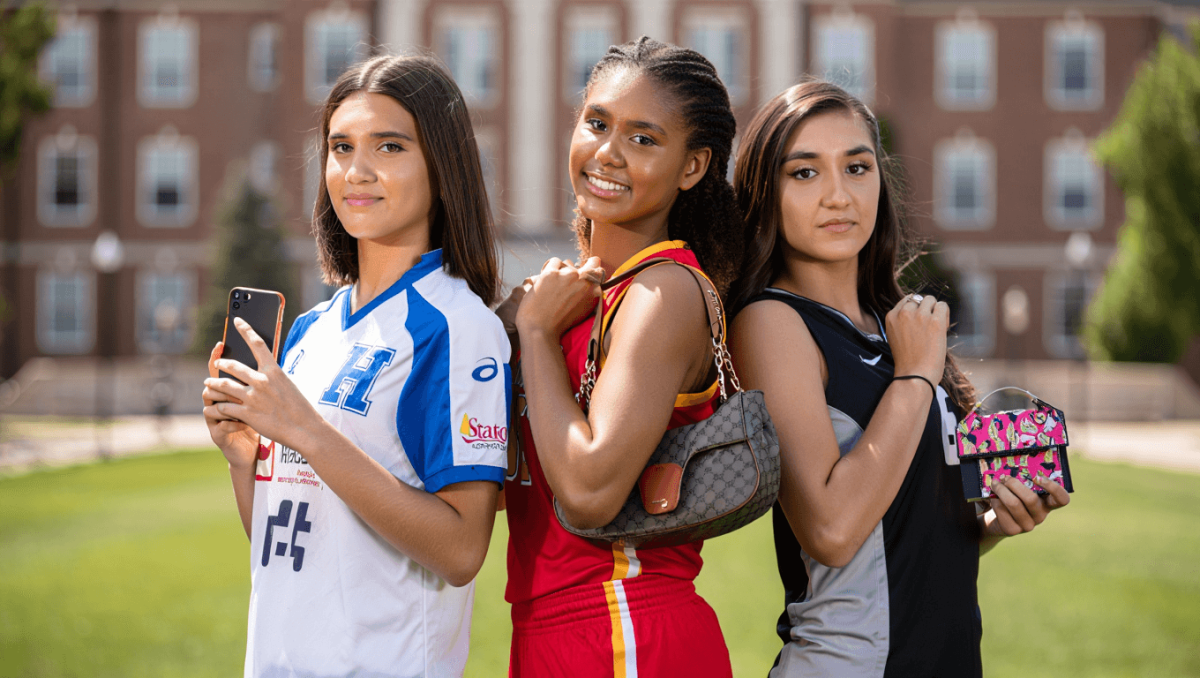
Brands that once focused on pro leagues are now moving campus-ward, teaming with female college athletes in new, layered partnerships. These collaborations blur athletics, fashion and lifestyle, and they increasingly include equity, internships and in-person activations alongside social posts.
Why beauty and lifestyle companies are flocking to college sports
Marketers see a rare mix: passionate local fanbases, young consumers shaping trends, and athletes who double as authentic lifestyle ambassadors. The result: a fertile ground for campaigns that feel native to campus life.
Christina Haack stuns in cream crochet bikini: responds to fourth engagement rumors
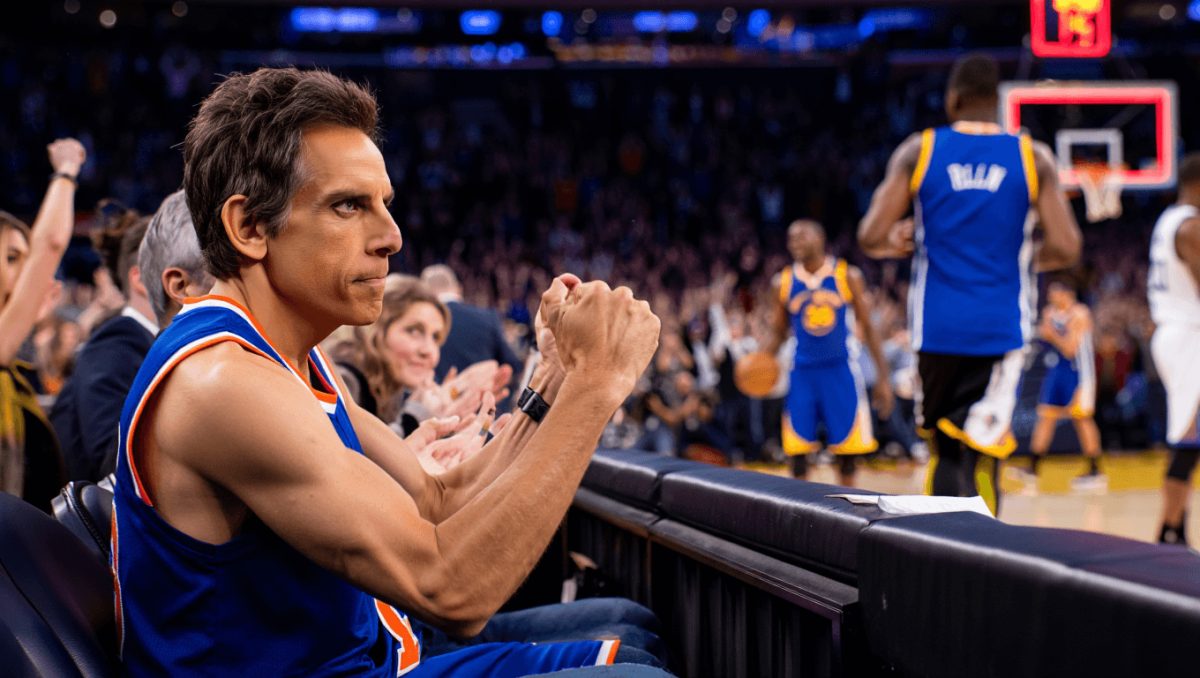
Knicks superfan Ben Stiller skips Oscars to watch gritty win over Warriors
- Audience affinity: Student-athletes reach campus peers, alumni and regional fans.
- Authenticity: Brands look for athletes who genuinely use their products.
- Longevity: College relationships can evolve into pro partnerships.
What modern NIL deals look like for female athletes
Deals often go beyond single posts. Brands now offer multi-year relationships that include cash, equity, experiential events and career development.
- Direct payments and performance-based compensation.
- Stock or ownership stakes in the company.
- Opportunities for internships or franchising roles.
- In-person activations: shopping trips, photo shoots, and game-day appearances.
These layered packages aim to create deeper ties than affiliate codes alone.
On-campus activations: bringing campaigns into real life
Marketers increasingly invest in offline touchpoints where students live and shop. Campus-area retail, in-person events, and branded giveaways turn digital followers into engaged local customers.
One successful tactic is to mirror an athlete’s public schedule with brand moments — pop-up events at games, store takeovers near campus, and promotions during high-traffic sports weekends.
Examples brands are using as blueprints
Madison Reed and UConn: more than a sponsorship
Hair-color brand Madison Reed created a program that blends compensation with career training. Student-athletes receive cash, potential equity and professional internships tied to the business.
- For-credit internships help athletes gain real business experience.
- Some athletes can explore franchising opportunities.
- Limited-edition product drops were inspired by players.
The strategy emphasizes mentorship and real-world skill-building.
Gorjana’s campus-first playbook
Gorjana expanded sports partnerships to include entire athletic departments. The brand pairs social content with in-person experiences.
- Social posts and campaign imagery featuring athletes.
- Shopping events, photoshoots and game-day activations.
- Programs designed to feel organic to student life.
Gorjana launched a sports-focused program to formalize athlete ties and amplify reach across multiple levels of competition.
Retail and experiential tie-ins: lessons from recent activations
Campuses have hosted retail-centered campaigns that place ads, host giveaways and stage on-site experiences. These tactics help brands reach students where they both shop and gather.
Numbers behind the momentum: NIL deal growth
The marketplace for name, image and likeness deals continues to expand. Tracking services showed thousands of approved agreements and rising total value within months.
Brands and schools are still learning the rules, but investment is accelerating.
How brands choose athlete partners
Marketers often favor authenticity over raw follower counts. Micro-influencers who genuinely use a product can deliver better long-term returns.
- Look for athletes who already wear or use the brand.
- Prioritize audience fit with campus culture.
- Allow athletes input on messaging and activations.
When athletes help shape the campaign, the storytelling feels real and resonates with peers.
Benefits for athletes and universities
These partnerships can provide financial support and professional development. They also give schools new sponsorship revenue and fan-facing content.
- Paid opportunities help athletes fund education and training.
- Internships and equity teach business, marketing and leadership.
- Department-level deals can include hundreds of student-athletes.
Creating lasting brand relationships beyond college
Smart partnerships plan for careers, not just seasons. Athletes who build a genuine connection with a brand can carry that relationship into the pros or other careers.
Long-term thinking amplifies both brand loyalty and athlete value.
Best practices brands are adopting now
- Invest in in-person activations as well as digital content.
- Work closely with universities, families and agents for alignment.
- Design deals that reward genuine product use and advocacy.
- Use limited-edition products and campus-focused campaigns to boost relevance.