Show summary Hide summary
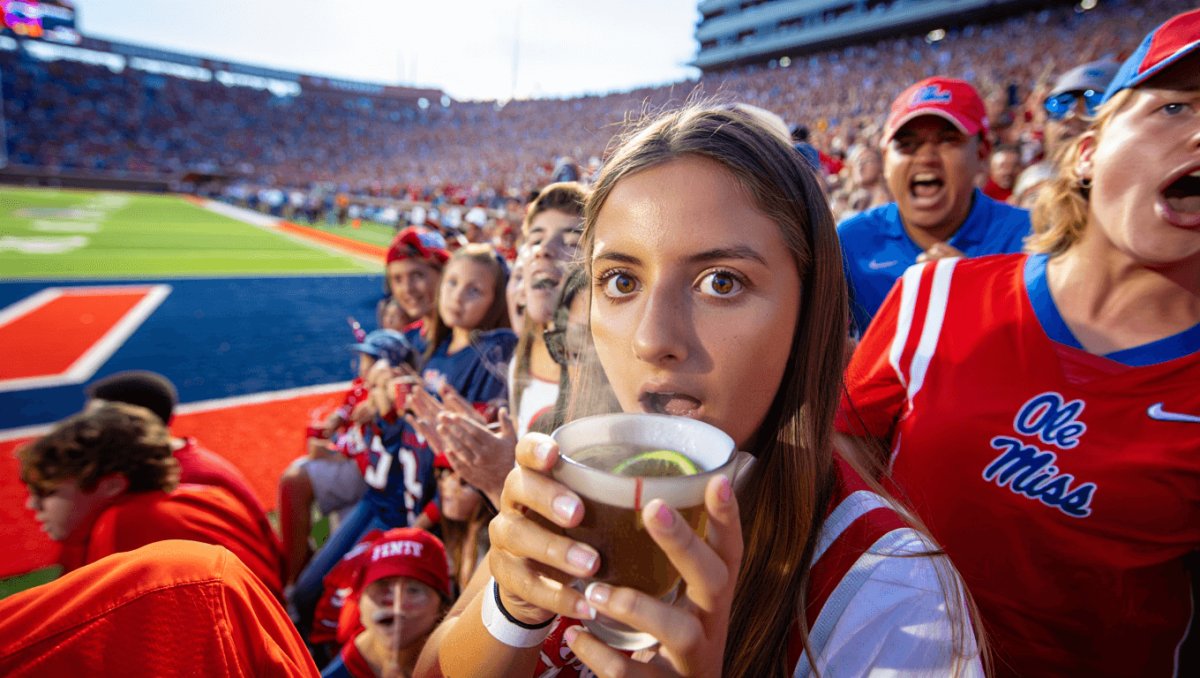
At Ole Miss games, a familiar yell cuts through the roar of the crowd and the boom of the cannons. That chant — part call, part tradition — has become as synonymous with Rebels football as the red and blue in the stands. Fans young and old know the cadence, the motion, and the pride that come with shouting the phrase together.
What “Hotty Toddy” means to Ole Miss fans and why it endures
For many in Oxford, “Hotty Toddy” is more than a cheer. It’s a unifying shout that knits alumni, students, and longtime fans into a single moment of energy. The slogan carries school spirit, rivalry heat, and a sense of belonging.
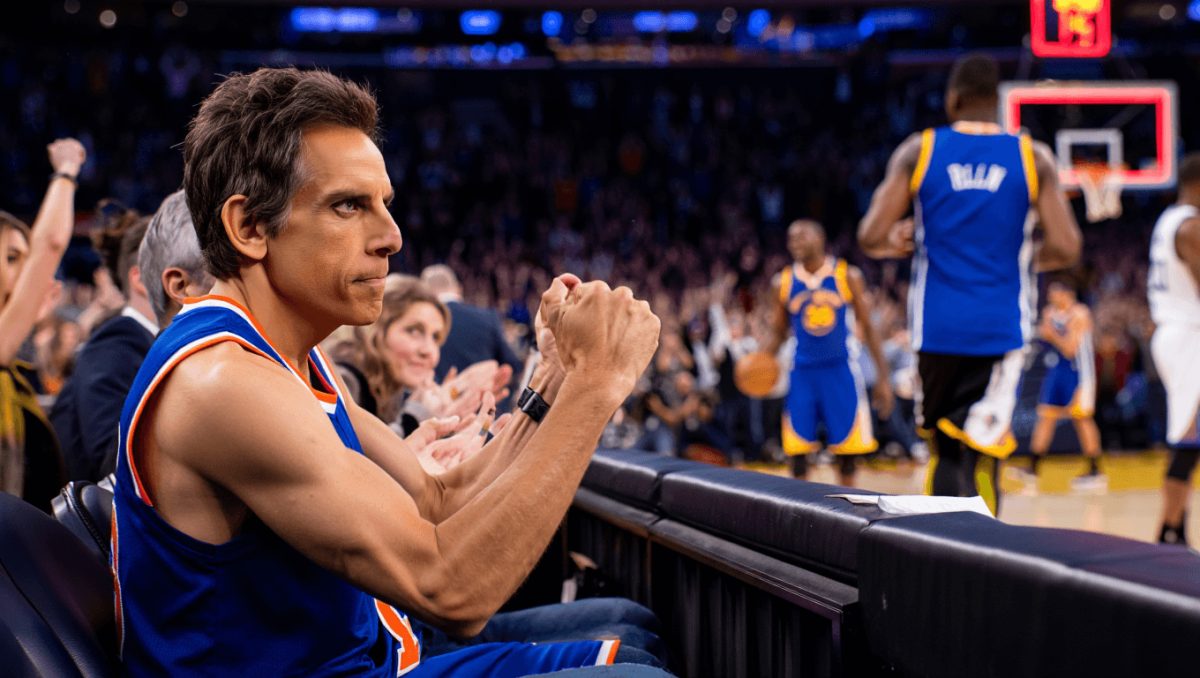
Knicks superfan Ben Stiller skips Oscars to watch gritty win over Warriors
U.S. embassies warn: 5 new travel alerts after demonstrations spread
The chant functions as:
- a rallying cry for game day
- a call-and-response for the crowd
- a cultural touchstone for the university community
How the chant sounds: a line-by-line look at Hotty Toddy
The chant is concise and rhythmic. A leader asks a question and the crowd answers with a fast, emphatic sequence.
Common performance of the chant:
- Leader: “Are you ready?!”
- Crowd: “Hell, yeah! Damn right!”
- Crowd: “Hotty Toddy, Gosh Almighty”
- Crowd: “Who the hell are we? Hey!”
- Crowd: “Flim Flam, Bim Bam”
- Crowd: “Ole Miss, by Damn!”
That quick back-and-forth gives the chant its memorable punch. It’s repeated often during games and school events.
The Hotty Toddy hand sign and stadium choreography
The chant rarely stands alone. Fans pair the words with a visible gesture that completes the ritual.
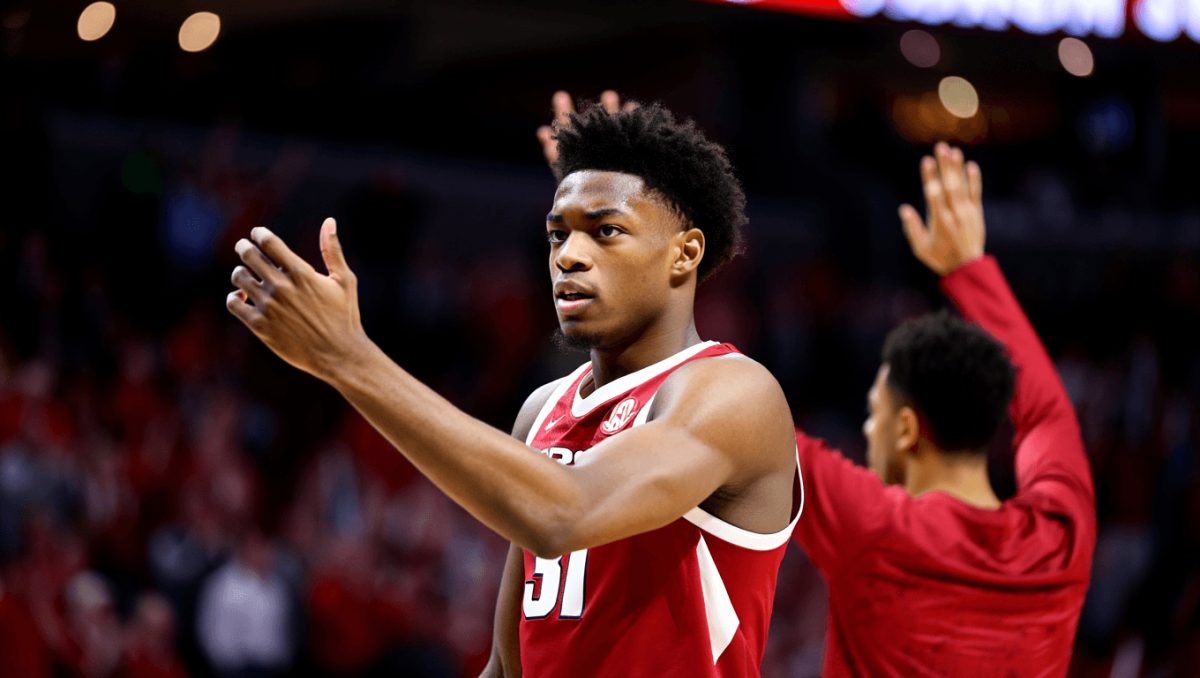
The most common sign is the “Fins Up” or landshark motion. The gesture is simple:
- Turn your hand so the thumb points down.
- Raise the hand beside your head like a fin.
- Repeat the motion with the chant’s beat.
Fins Up took hold in the late 2000s and quickly merged with Hotty Toddy as part of the full-game experience.
Debating origins: where did Hotty Toddy come from?
Scholars, alumni, and fans have debated the phrase’s roots for decades. The earliest printed appearance dates to the 1920s, but the phrase likely circulated before it appeared in campus newspapers.
Early written forms and evolution
When the chant first surfaced in student publications, it resembled later versions but used slightly different words. Over time, the cadence and some lines shifted into what fans use today.
Popular theories about its meaning
- A corruption of “hoity-toity,” pointing to the fashionable tailgating scene.
- A playful nod to the hot toddy drink, suggesting warmth and camaraderie.
- Military-era slang or banter from the World War I period that found new life on campus.
None of these explanations is definitively proven. What matters most to fans is the emotion the words evoke, not the exact origin story.
Does the hot toddy drink tie into the chant?
The warm cocktail called the hot toddy likely did not inspire the cheer directly. Still, the beverage is a favorite during chilly tailgate gatherings.
Fans sipping a warm drink in The Grove or in the stands may find the ritual atmosphere similar to the chant’s communal feel. But historians treat the two as largely separate traditions.