Show summary Hide summary
- Golden Globe night: major wins and what they mean
- From risky investment to studio triumph
- How critics are describing the film’s ambition and tone
- Category dynamics: why “Comedy or Musical” can be deceptive
- Industry ripple effects and awards-season strategy
- Behind the scenes: awards bodies and media ties
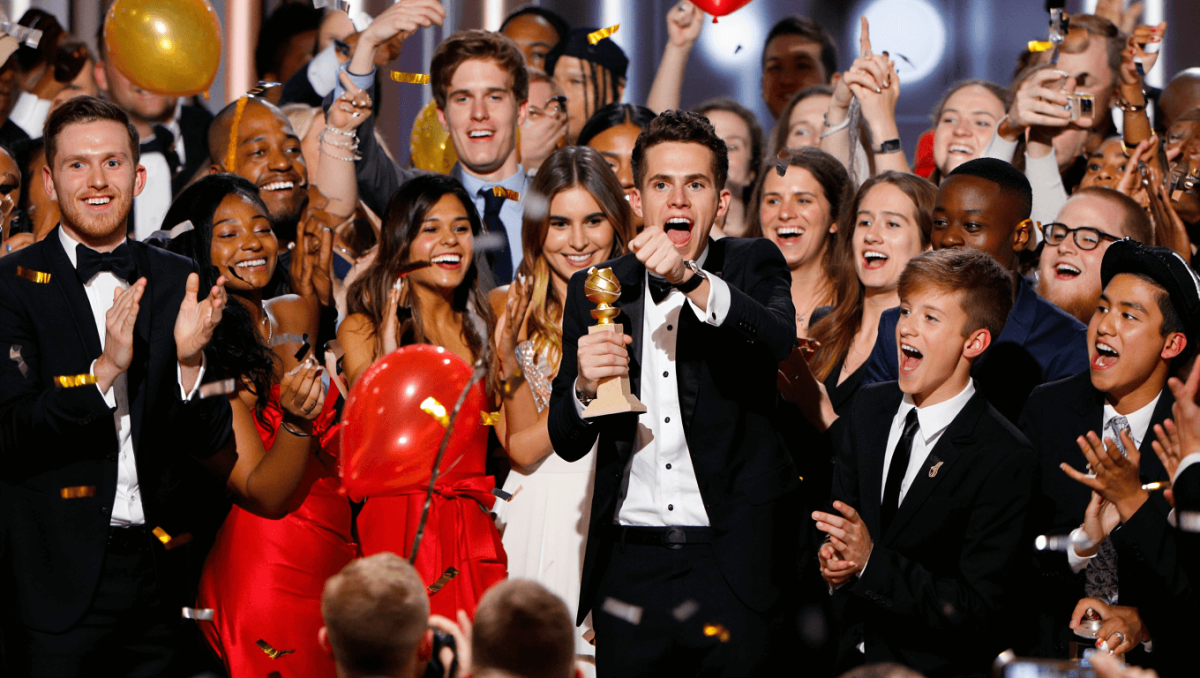
Paul Thomas Anderson’s new film One Battle After Another dominated the Golden Globes, taking home Best Picture in the Comedy or Musical category and several other top prizes. The night reinforced the movie’s momentum heading into Oscar season and underscored how one bold studio bet has reshaped the awards conversation.
Golden Globe night: major wins and what they mean
At the ceremony, Anderson collected multiple honors. The film won Best Picture, Comedy or Musical, along with Best Director and Best Screenplay for Anderson. Teyana Taylor also received the Globe for Best Supporting Actress.
Euphoria season 3: Sydney Sweeney left off set as feud with Zendaya intensifies
Serena Williams GLP-1 ad sparks backlash: weight-loss commercial called irresponsible and dystopian
These trophies followed last week’s Critics Choice victory, strengthening the film’s status as a leading contender for the Academy Awards. Industry trackers now view One Battle After Another as a clear frontrunner.
From risky investment to studio triumph
Warner Bros. financed the film with a budget in the nine-figure range. That level of spending was unusual for Anderson, long seen as an auteur with modest box office returns.
- Studio executives Pamela Abdy and Michael de Luca faced scrutiny when the project was greenlit.
- The gamble appeared to pay off as the film delivered critical acclaim and strong box office results.
- Following the film’s success, both executives secured extensions to continue running the studio.
How critics are describing the film’s ambition and tone
Reviewers have highlighted the film’s mix of satire, suspense, and emotional weight. Critics note its willingness to tackle modern political anxieties through a stylized, large-scale narrative.
Many point to the film’s roots in American literary and political history. It borrows inspiration from Thomas Pynchon’s mid-1980s novel Vineland and transposes that sensibility into a present-day tale that jumps forward in time. The result is a movie that blends political satire with a high-stakes road-chase energy.
Commentators praise the film for capturing a particular kind of social anxiety while still delivering humor and cinematic spectacle.
Category dynamics: why “Comedy or Musical” can be deceptive
The Golden Globes’ Comedy or Musical slot often includes movies that feel dramatic to general audiences. Studios and awards strategists place films there to increase the odds of winning.
This year’s nominations illustrated that fluid definition. The category included a range of tones and styles, from intimate dramas to formally daring films.
- Richard Linklater — Blue Moon
- Richard Linklater — Nouvelle Vague
- Yorgos Lanthimos — Bugonia
- Josh Safdie — Marty Supreme
- Park Chan-wook — No Other Choice
Industry ripple effects and awards-season strategy
The Globes victory reshapes campaign priorities. Studios will now push for Academy attention across both craft and acting categories.
For Warner Bros., the payoff validates a strategy of investing big in prestige cinema. The success strengthens the studio’s negotiating position and public profile.
- Campaign teams can leverage Globe and Critics Choice wins when courting Academy voters.
- Box office performance gives the film commercial credibility beyond awards chatter.
- Positive momentum can lead to further nominations in writing, directing, and acting.
Behind the scenes: awards bodies and media ties
The Golden Globes are produced by Dick Clark Productions, a company within the Penske Media group. That corporate relationship is part of the broader media landscape that shapes awards coverage.
IndieWire and other outlets that champion the film operate under the same media umbrella. That context explains, in part, the intensity of early critical advocacy for One Battle After Another.