Show summary Hide summary
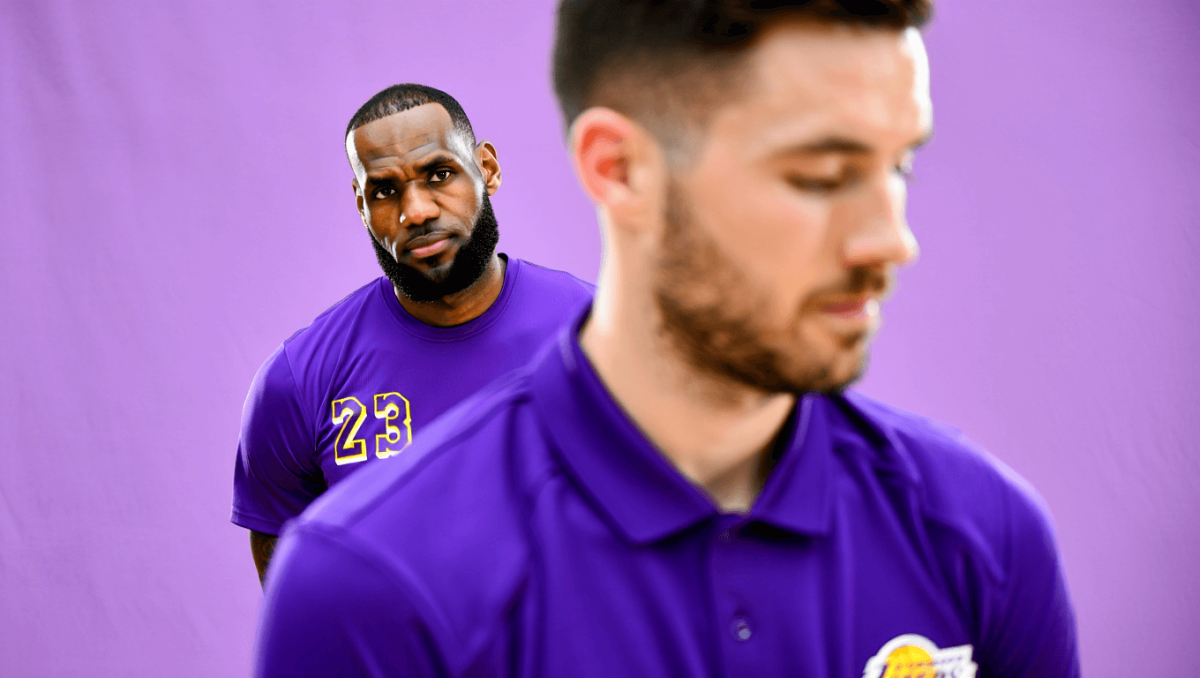
LeBron James remains the defining figure of his era in the NBA. His reputation buys him leeway few players enjoy. That reality has placed JJ Redick in a tricky spot since taking the Lakers’ head coach role. Redick’s past as LeBron’s podcast partner and his candid remarks about the star have fueled debate about who really wears the headset during games.
Redick’s coaching role under the microscope
Moving from media to the Lakers’ bench put Redick in an unusual position. He arrived with NBA smarts and a fresh perspective. But he also brought a preexisting relationship with the franchise’s most powerful player.
United Polaris Studio suites: tickets now on sale for April inaugural flights
Auston Matthews-Radko Gudas controversy: Pierre LeBrun predicts fallout
Coaching a future Hall of Famer requires balance. A coach must manage rotations, plan game strategy, and preserve authority. At the same time, there’s a practical need to lean on veteran instincts when a player has decades of experience.
Why familiarity complicates authority
- Redick and LeBron were colleagues off the court. That changes the expected coach-player power dynamic.
- Fans and analysts immediately drew a line between friendship and leadership challenges.
- The Lakers need both strategic control and deference to a player who still impacts winning nightly.
Public comments that sparked headlines
In a recent press setting after a narrow road victory, Redick used a baseball metaphor to describe LeBron’s current game. He suggested LeBron doesn’t always have his top gear every night, but still has enough to pull out wins.
Redick added that he sees himself as the one calling pitches, or in basketball terms, trying to determine the right moments to use LeBron’s strengths. Yet he also admitted a reality many have long known: LeBron sometimes opts to ignore coaching signals and direct the offense on his own.
Redick’s openness on this point made headlines. He didn’t hide the fact that the locker-room dynamic includes moments when LeBron chooses his own path.
Moments that raise concern for team cohesion
Isolated incidents have amplified the worry that Redick’s control could be limited. Examples that drew attention include LeBron engaging in long conversations with opponents during games.
There was also talk about his lifestyle choices off the floor. When a superstar admits to prioritizing recreation over film study, optics become a storyline.
- Timeouts called while the coach needs to manage a player’s sideline chat.
- Less film time for a leadership figure can frustrate staff and teammates.
- Public remarks from the coach that acknowledge the player’s independence.
Risks and silver linings of the current setup
The dynamic carries both potential pitfalls and clear advantages. LeBron’s on-court intelligence remains a massive asset.
- Risk: Players may see mixed signals if a star appears to operate above coaching directives.
- Risk: Opponents can exploit lapses in structure if a team leans too heavily on one player’s improvisation.
- Benefit: LeBron’s experience and court vision can salvage nights when others struggle.
- Benefit: Redick can harness LeBron’s instinctive playmaking to create matchups favoring the Lakers.
Practical steps Redick can use to reinforce leadership
There are concrete moves the coach can make that respect LeBron’s stature while preserving order.
- Set clearer in-game roles and communicate them publicly and privately.
- Delegate specific responsibilities to assistant coaches to handle different aspects of player management.
- Use targeted minutes and rotation transparency to reduce friction over touches and usage.
- Lean on data and scouting to justify decisions in front of the team.
- Encourage structured leadership sessions where veterans and younger players align on expectations.
Firm, consistent standards avoid second-guessing and protect a coach’s authority without alienating a key player.
How this affects the Lakers’ search for stability
The Lakers are chasing more than wins. They want a sustainable, repeatable system that works when LeBron’s evening isn’t his best.
Search interest and media narratives will follow every public exchange between Redick and LeBron. That spotlight makes every timeout and press conference a story.
For bench players and the front office, the core question remains: can a modern coach manage the league’s most influential veteran while building a resilient team?