Show summary Hide summary
- What the new Time cover shows and why it matters for image-making
- Trump’s swift response and the focus on hair and angle
- Questions about ownership: Marc Benioff and editorial direction
- Public reaction on social platforms and the “free press” argument
- How camera choices change public perception
- Media narratives, optics and what to watch next
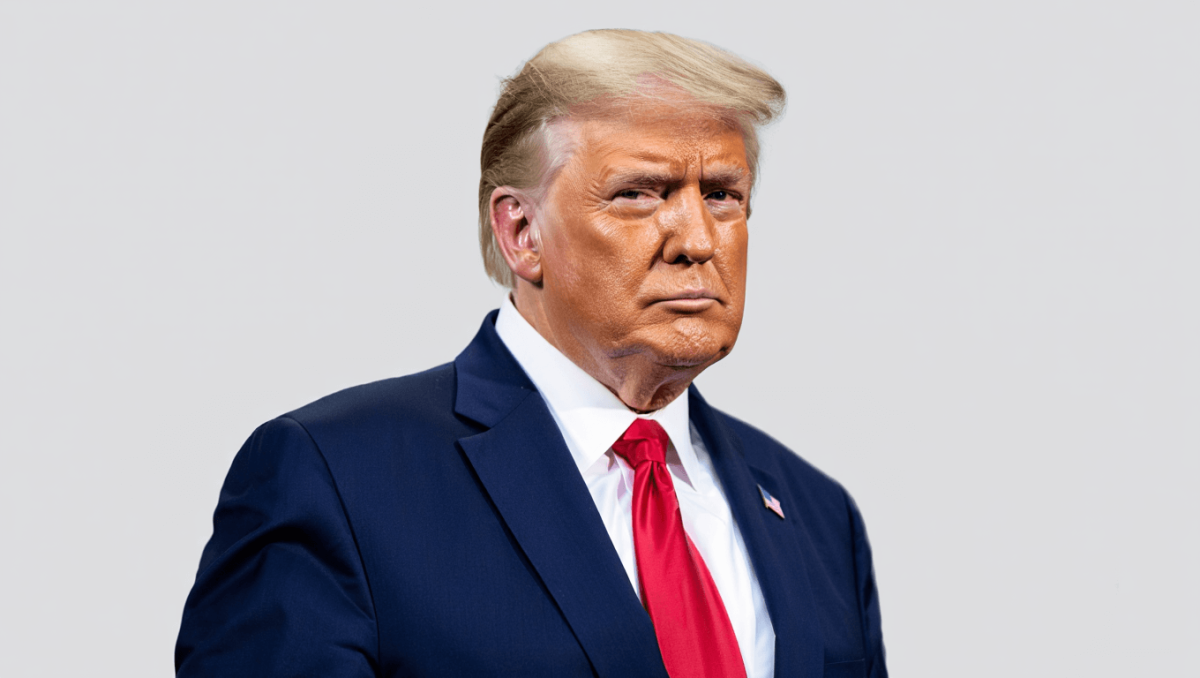
Time magazine’s latest cover has reignited a heated debate over image, influence and how a single photograph can recast a public figure. The portrait, released this week, shows former President Donald Trump with a composed, almost statesmanlike expression — a sharp contrast to how he has often been photographed — and it instantly sparked reactions from the former president, media critics and the public online.
What the new Time cover shows and why it matters for image-making
The cover presents Trump in a direct, frontal pose beneath the headline “TRUMP’S WORLD.” The photo’s lighting and angle soften familiar features and lend a more formal air than many expect from his public persona. Photographers and visual editors point out that framing, perspective and retouching can significantly alter a subject’s perceived authority.
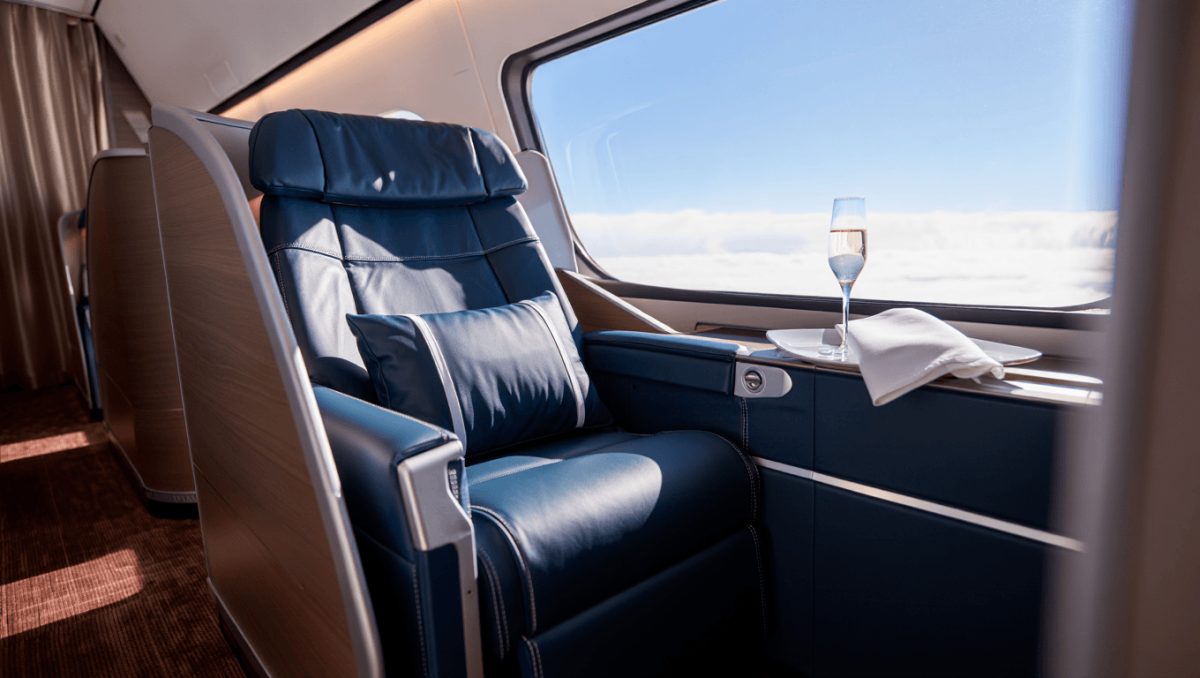
United Polaris Studio suites: tickets now on sale for April inaugural flights
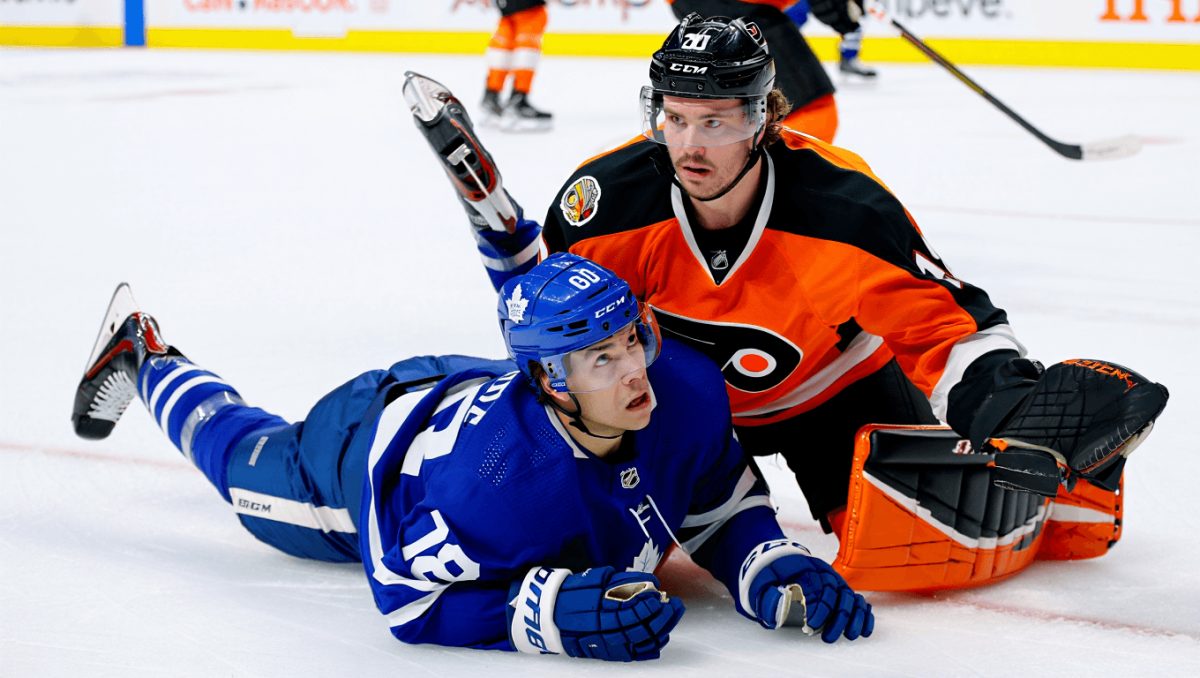
Auston Matthews-Radko Gudas controversy: Pierre LeBrun predicts fallout
Credit for the image went to Graeme Sloan/Bloomberg via Getty Images and Time. For readers, the visual shift felt intentional: a move from the candid, less flattering shots often circulated in news cycles to a controlled, magazine-ready portrait.
Trump’s swift response and the focus on hair and angle
On Truth Social, Trump criticized the image, arguing the magazine had manipulated his appearance. He singled out the angle and said his hair appeared diminished and oddly arranged. The reaction mixed personal grievance with a broader complaint about media treatment.
His post suggested suspicion about editorial motives and questioned why the photo was taken from below. That line of criticism echoes a familiar theme in his public messaging: that the press can distort not just facts but visual truths.
Questions about ownership: Marc Benioff and editorial direction
Some commentators connected the cover’s tone to Time’s ownership. Marc Benioff, the billionaire who acquired Time, has drawn attention for public overtures toward figures across the political spectrum.
Why ownership can shape editorial choices
- New owners can influence cover direction, photo selection and headline language.
- Perceived alignment between owner and subject can prompt questions about independence.
- When high-profile outlets change hands, small editorial shifts get magnified in public debate.
Critics suggested the dignified image might reflect an effort to appeal to figures Benioff has courted. Supporters of the magazine argued the portrait is a legitimate editorial choice, not proof of bias.
Public reaction on social platforms and the “free press” argument
Responses on Time’s Instagram ranged from praise for the photograph’s polish to alarm over perceived softness toward a polarizing figure. One widely shared comment warned the cover could be cited in future critiques of press compromise and creeping authoritarian tendencies.
- Some users saw the image as rehabilitation of a controversial leader.
- Others defended the outlet’s right to present figures in varied lights.
- A number of observers framed the debate as a test of journalistic independence.
Echoes of that debate extend beyond this single image: the clash between editorial freedom and the public’s demand for scrutiny remains unresolved.
How camera choices change public perception
Photographers note that simple technical decisions can alter a viewer’s emotional response. Low angles can communicate power; straight-on portraits can convey steadiness; lighting and retouching affect age and gravity.
- Angle: shifts perceived dominance or vulnerability.
- Lighting: creates mood, softens or hardens features.
- Post-processing: subtle edits can change texture and hairline visibility.
These tools are routine in magazine production. Yet when applied to a high-profile political figure, they become political in themselves.
Media narratives, optics and what to watch next
The cover episode highlights how much power visual storytelling holds in political discourse. Editors, owners and photographers make choices that ripple through public conversation. Readers and critics will be watching future issues for signs of pattern or change.
Meanwhile, social platforms continue to amplify reactions, turning a single magazine image into a broader argument about influence, image management and the role of the press in a polarized era.