Show summary Hide summary
- Top brands, official kits and who’s dressing whom
- Why Milan amplifies fashion-driven Olympic moments
- Engineering performance: fabric tech and athlete needs
- How lifestyle lines convert fans into customers
- Marketing reach, ad demand and the commercial playbook
- How product strategy splits between function and fashion
- Design storytelling: campaigns and athlete collaboration
Apparel and footwear labels are racing to make their mark at Milan-Cortina 2026, turning the Winter Olympics and Paralympics into a runway for both athletes and everyday shoppers. From competition-ready jackets to sleepwear for recovery, brands are blending performance science with fashion flair to capture attention in one of the world’s most influential style capitals.
Top brands, official kits and who’s dressing whom
- EA7 Emporio Armani — outfitting Team Italy with looks that nod to local design traditions.
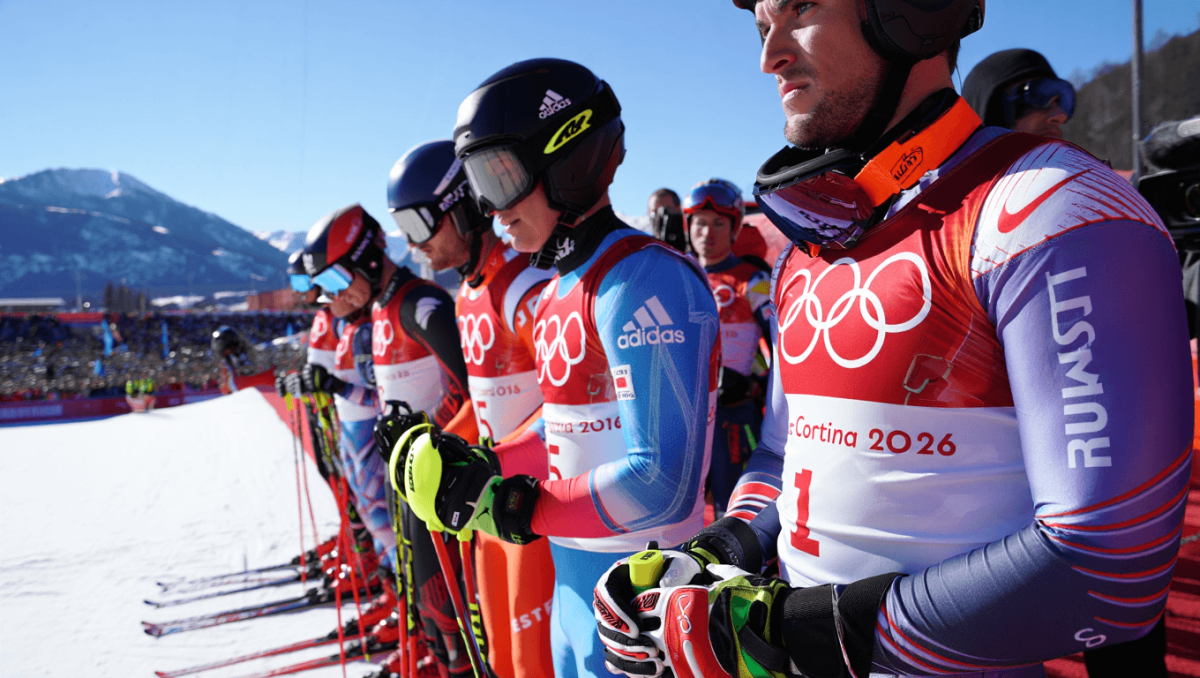
- Ralph Lauren — handling Team U.S.A. uniforms, including a signature winter-white coat for the Opening Ceremony.
- Lululemon — designing Team Canada’s kits with topographic prints and maple leaf motifs.
- Salomon — supplying jackets and boots to more than 18,000 Olympic and Paralympic volunteers.
- Dagsmejan — the sleepwear brand partnering with the Swiss National Ice Hockey Team for pajamas and sleep masks.
- J.Crew and Skims — each launching lifestyle collections tied to U.S. winter sport programs.
Arkansas’ Darius Acuff Jr. earns rare Kyrie Irving comp from Bill Simmons
Sean Penn awarded Oscar forged from war-damaged Ukrainian train: he skipped the ceremony
These collaborations span official uniforms, volunteer gear and consumer-facing collections. Brands are leveraging national pride and global visibility to reach multiple audiences.
Why Milan amplifies fashion-driven Olympic moments
Milan brings a distinct fashion gravity. The city is synonymous with luxury leather, prêt-à-porter and Milan Fashion Week. That context changes how uniforms and ceremonial pieces are designed. This year, the victory-ceremony garments came from a design-school contest. The torch was reimagined with a sleek, minimal silhouette and a larger flame. Even the Games’ motto — “IT’s your vibe” — leans into style and identity.
Engineering performance: fabric tech and athlete needs
Athletes require clothing that performs under extreme conditions. Brands are answering with technical innovations that combine insulation, breathability and mobility.
Athlete-ready gear and active innovations
Nike, which outfits the U.S. podium, introduced the Therma-FIT Air Milano jacket. The piece uses inflatable compartments so wearers can adjust warmth and fit on the fly. Designers aimed to let athletes control microclimate and silhouette.
- Thermal regulation through inflatable chambers.
- Targeted insulation and mobility zones.
- Lightweight, packable construction for travel.
Medical teams and recovery-focused materials
Figs, best known for medical apparel, is outfitting the U.S. medical team. For alpine conditions, the company developed a new textile called FIBREx. The goal was to keep medics warm, comfortable and agile during long shifts on mountainsides. Figs says the fabric balances warmth with flexibility, so staff can perform care for extended periods.
Dagsmejan focuses on recovery sleepwear. The brand designed sleep garments and eye masks for the Swiss hockey squad using breathable, natural fibers. The fabrics aim to stabilize body temperature and improve sleep quality after late games and bright arenas.
How lifestyle lines convert fans into customers
Many companies use the Games as a license to sell everyday apparel. These lines are less about race performance and more about identity, comfort and trend appeal.
- Chubbies released a casual collection that includes hoodies, polos and lined swim trunks. The line taps into a playful, Americana aesthetic.
- J.Crew launched a multi-year partnership with U.S. Ski & Snowboard, offering knitwear and accessories with timeless silhouettes.
- Skims dropped a Team U.S.A. capsule centered on loungewear and intimates tuned for rest and recovery.
Brands pair product drops with lifestyle marketing. Campaigns use social video, athlete cameos and tongue-in-cheek creative to keep offerings culturally relevant. Many pieces use national colors and subtle nods to team kits to connect with fans.
Marketing reach, ad demand and the commercial playbook
Although the Winter Games host fewer athletes than the Summer Games, the event still draws massive attention. Milan’s cultural pull also amplifies fashion coverage and shopper curiosity.
- About 2,900 athletes will compete in 2026, versus roughly 10,500 at the Summer Games.
- Past sponsors have reported revenue boosts after Olympic partnerships.
- Advertisers showed strong appetite: NBC reported sold-out ad inventory and many new buyers for the broadcast cycle.
Harry Poole of Excel Sports Management calls the Olympics “one of the most powerful sports platforms.” For brands, the Games offer global exposure, cultural relevance and a springboard for product sales in retail markets. That combination makes Olympic partnerships attractive for both performance labels and lifestyle brands.
How product strategy splits between function and fashion
Brands face a split decision: make highly technical garments for athletes and staff, or design consumer lines with broad appeal. Many choose both routes. Technical teams focus on warmth, movement and environmental resistance. Lifestyle teams emphasize comfort, branding and trend cues.
Examples of tactical differences
- Performance pieces: sealed seams, weatherproof zippers, active insulation.
- Medical apparel: long-shift comfort, thermal layering, fast-drying fabrics.
- Lifestyle collections: knitwear, casual outerwear, graphic-driven sleep and lounge sets.
Design storytelling: campaigns and athlete collaboration
Narrative matters as much as materials. Brands tell stories through athlete partnerships, social series and campaign videos. Ralph Lauren ran a nine-part TikTok series tied to its collection and athletes. Lululemon shared design insights from Canadian team members. Chubbies leaned on humor and art-inspired prints to differentiate its offering.
Activation channels that matter
- Short-form video on social platforms.
- Limited-edition drops and capsule collections.
- Official licensing and retail partnerships tied to team guidelines.