Show summary Hide summary
- Bethenny’s account from St. Barts and the viral update
- How hotel towels and linens could harbor bacteria
- Other everyday items that can spread microbes
- Timeline of the rash and public posts
- Practical steps fans can take to avoid similar problems
- How the public reacted and the media spin
- When to see a doctor for skin infections
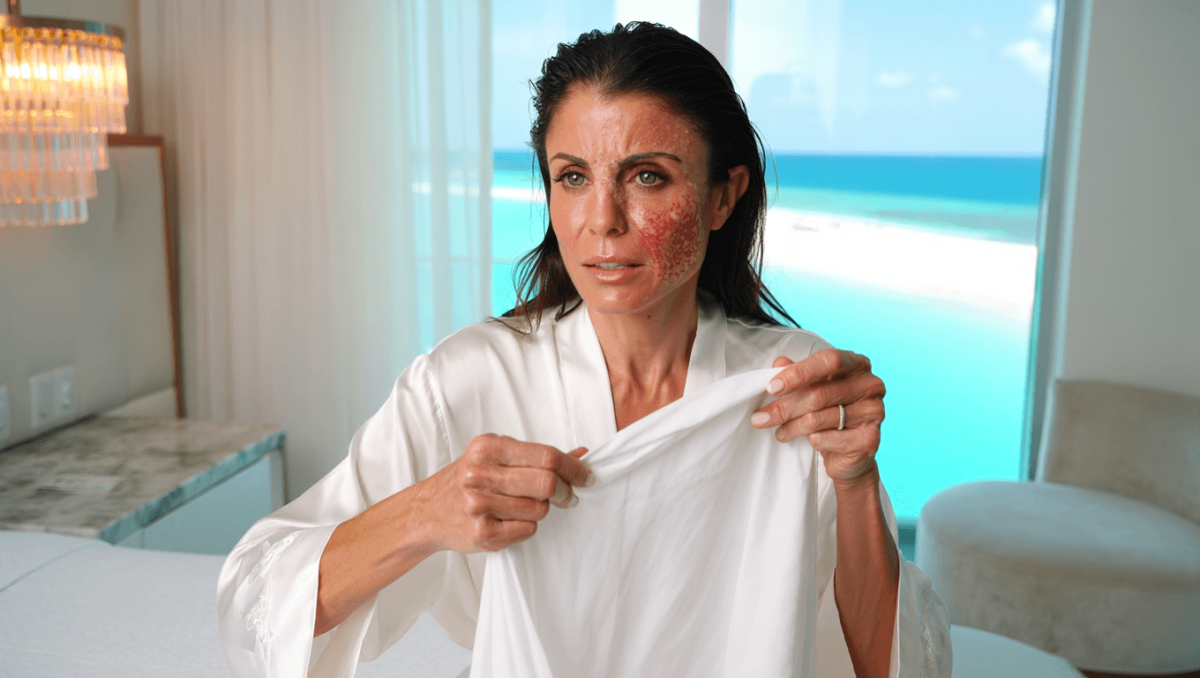
Bethenny Frankel says a holiday in St. Barts left her with more than memories: a painful facial rash she blames on hotel linens. Her social posts about the outbreak sparked fresh debate about hotel hygiene and how everyday items can spread bacteria.
Bethenny’s account from St. Barts and the viral update
The reality star shared a short video describing a red, spotty rash that appeared after her New Year trip. She said the irritation showed up quickly and that she has since seen improvement.
Nickelodeon star arrested after alleged Malibu burglary
Euphoria season 3: Sydney Sweeney left off set as feud with Zendaya intensifies
Frankel also recounted a past incident involving her teen daughter, who reportedly had a similar reaction. That family anecdote underpins her belief that linens were the likely culprit.
Her message to followers was blunt: avoid using hotel towels and sheets if you can, she advised, based on what she says she experienced.
How hotel towels and linens could harbor bacteria
What the star observed at the property
Frankel described seeing large bins of used towels and linens near service areas. She suggested those piles sit in warm, humid conditions for hours.
Why that matters for skin health
- Towels and washcloths trap moisture and skin cells.
- Warm, damp environments can encourage bacterial growth.
- Reused or improperly stored linens may transfer microbes to skin.
She warned that even freshly laundered items can still carry bacteria on fibers, especially when cleaning and storage practices are lax.
Other everyday items that can spread microbes
Frankel said a facialist once told her that more than towels can transmit bacteria. She named common beauty tools and accessories as potential vectors.
- Makeup sponges and applicators
- Powder puffs and reusable pads
- Makeup brushes and face cloths
Her point: items that touch skin repeatedly should be cleaned or replaced often to reduce risk.
Timeline of the rash and public posts
She first documented the breakout earlier in January with photos and captions about returning home early because of the issue.
In the most recent clip, she showed clearer skin and explained why she believes towels were to blame. That update helped calm some fans but raised others’ concerns.
Practical steps fans can take to avoid similar problems
Whether you travel often or stay in hotels occasionally, small changes lower risk. Consider these precautions:
- Bring your own towel or quick-dry face cloth for the trip.
- Ask hotel staff about linen handling and laundering schedules.
- Use clean disposable or single-use makeup applicators when possible.
- Wash reusable beauty tools frequently and let them dry fully.
- If you notice a suspicious skin reaction, seek medical advice promptly.
Simple habits can reduce the chance of an outbreak, Frankel’s story suggests.
How the public reacted and the media spin
The posts drew attention from fans and outlets alike. Some praised her caution, while others questioned whether the rash had other causes.
Frankel mixed concern with humor in her updates, poking fun at the press coverage of her beach trip and joking about not dressing like a celebrity for the sand and surf.
Her mix of personal anecdote, lifestyle advice, and trademark sarcasm helped the clips gain traction across social platforms.
When to see a doctor for skin infections
Any spreading redness, pain, pus, or fever warrants medical review. Bacterial skin infections sometimes need prescription treatment.
- See a healthcare provider if symptoms worsen or persist.
- Bring photos or note when and where the problem began.
- Ask about topical or oral antibiotics if the clinician recommends them.
Early care can prevent complications and speed recovery.