Show summary Hide summary
- Why the phrase “Everyone is 12 now” resonates
- How social platforms amplify adolescent dynamics
- Politics and culture: why public debate feels juvenile
- Economic and social pressures that feed the trend
- Signs you’re witnessing a “12-year-old” public moment
- How institutions respond under juvenile pressure
- Individual tactics for navigating a tumultuous public square
- Longer-term cultural consequences and possible shifts
- Where this framing helps — and where it fails
- Signs to watch next
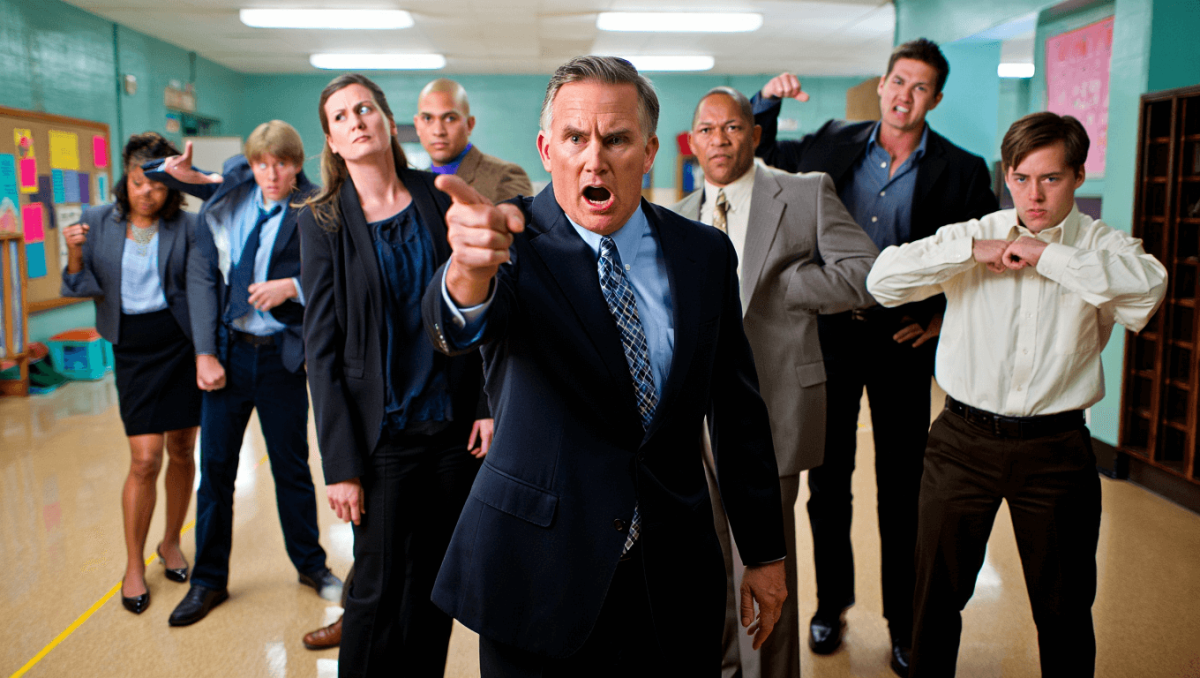
Something odd is happening in public life: grown adults act like kids in a schoolyard. The phrase “Everyone is 12 now” caught on because it captures a pattern of behavior that seems to cut across politics, culture, and commerce. This piece looks at why that shorthand stuck, what fuels the trend, and how it shows up in everyday news and social media.
Why the phrase “Everyone is 12 now” resonates
The idea lands because it is simple and vivid. It suggests that a lot of public discourse feels shrill, impulsive, and prone to groupthink. People share the phrase when they see mob-like shaming, viral tantrums, or performative virtue signaling. It acts as a cultural diagnosis and a shorthand critique.
Euphoria season 3: Sydney Sweeney left off set as feud with Zendaya intensifies
Serena Williams GLP-1 ad sparks backlash: weight-loss commercial called irresponsible and dystopian
Core instincts it points to
- Attention seeking: Quick outrage gets rewarded with likes and shares.
- Tribal loyalty: Group identity trumps nuance.
- Zero tolerance: Mistakes become life-defining moments.
How social platforms amplify adolescent dynamics
Algorithms are built to maximize engagement. Loud, emotional posts win. Short video and tweet formats favor hot takes over careful thought. The result: incentives align with impulsive, dramatic reactions.
- Rapid feedback loops encourage immediate responses.
- Visibility is driven by emotion, not evidence.
- Rewards come to extremes, which increases polarization.
Politics and culture: why public debate feels juvenile
Political campaigns and cultural battles increasingly mirror the patterns found online. Campaigns use outrage as a tool. Media outlets chase clicks by spotlighting fights. This creates a feedback loop between public opinion and performative displays.
Examples of juvenile patterns at scale
- Snap polls favoring soundbites over policy detail.
- Public figures facing instant exile for past statements.
- Issue framing as moral binaries rather than complex trade-offs.
Economic and social pressures that feed the trend
Several longer-term changes have made collective behavior more volatile. Economic stress, fragmented media, and changing educational norms play a role. People under pressure are more likely to seek immediate social affirmation.
- Precarious work increases emotional reactivity.
- Media fragmentation reduces shared facts and context.
- Parenting and schooling shifts can change conflict-resolution skills.
Why incentives matter
Platforms, brands, and politicians respond to short-term signals. That encourages messaging geared to quick wins. Over time, institutions adapt to the loudest, not the most reasoned, voices.
Signs you’re witnessing a “12-year-old” public moment
These behaviors point to a juvenile public square. Spot them in headlines, comment threads, and corporate responses.
- Instant mobs forming around partial facts.
- Cancellation used as a first option, not a last resort.
- Performative apologies that prioritize optics.
- Binary framing that erases complexity.
How institutions respond under juvenile pressure
Corporate and civic actors often make predictable choices when faced with viral storms. They tend to act quickly to limit reputational damage. That quickness can amplify the problem by signaling that loudness works.
- Brands issue fast apologies to avoid boycotts.
- Universities suspend or punish while investigations continue.
- Media outlets elevate conflict to maintain traffic.
Individual tactics for navigating a tumultuous public square
Not all participation needs to mimic adolescent energy. Individuals can choose calmer paths and model different norms.
- Pause before sharing: verify facts first.
- Favor sources that explain context.
- Engage with opposing views to test your assumptions.
- Resist the urge to reduce complex issues to slogans.
Longer-term cultural consequences and possible shifts
If incentives remain unchanged, expect more theatrical politics and fleeting moral panics. But cultural habits can shift. New platforms, norms, or regulations could reward depth over immediacy. The question is which actors change the rules.
Paths that could reduce juvenile dynamics
- Design changes in platforms to favor deliberation.
- Media incentives that reward explanatory reporting.
- Education that emphasizes critical thinking and empathy.
Where this framing helps — and where it fails
Calling behavior juvenile highlights patterns and opens discussion. But the metaphor can also obscure real causes. Structural problems, power imbalances, and economic forces require more than cultural critique.
- Useful as shorthand for social behavior trends.
- Insufficient for explaining systemic policy issues.
- Risk of dismissing legitimate grievances as mere immaturity.
Signs to watch next
Watch for shifts in platform rules, new media formats, and how institutions handle crises. Small policy and design changes can alter incentives. Pay attention to whether public discourse becomes more reflexive or more reflective.