Show summary Hide summary
- Why Alaska added more premium seats and what it means
- Starlink Wi‑Fi rollout: what Alaska plans to install
- Passenger experience: faster internet and more seat choices
- Technical and operational hurdles the airline faces
- How this fits into broader airline trends
- What travelers should watch for on bookings and flights
Alaska Airlines is shifting the in‑flight experience for travelers: the carrier is wrapping up a multi-year upgrade of cabin seating and has begun fitting planes with SpaceX’s Starlink internet. The moves aim to boost comfort and connectivity as passengers demand faster Wi‑Fi and more room in economy and premium cabins.
Why Alaska added more premium seats and what it means
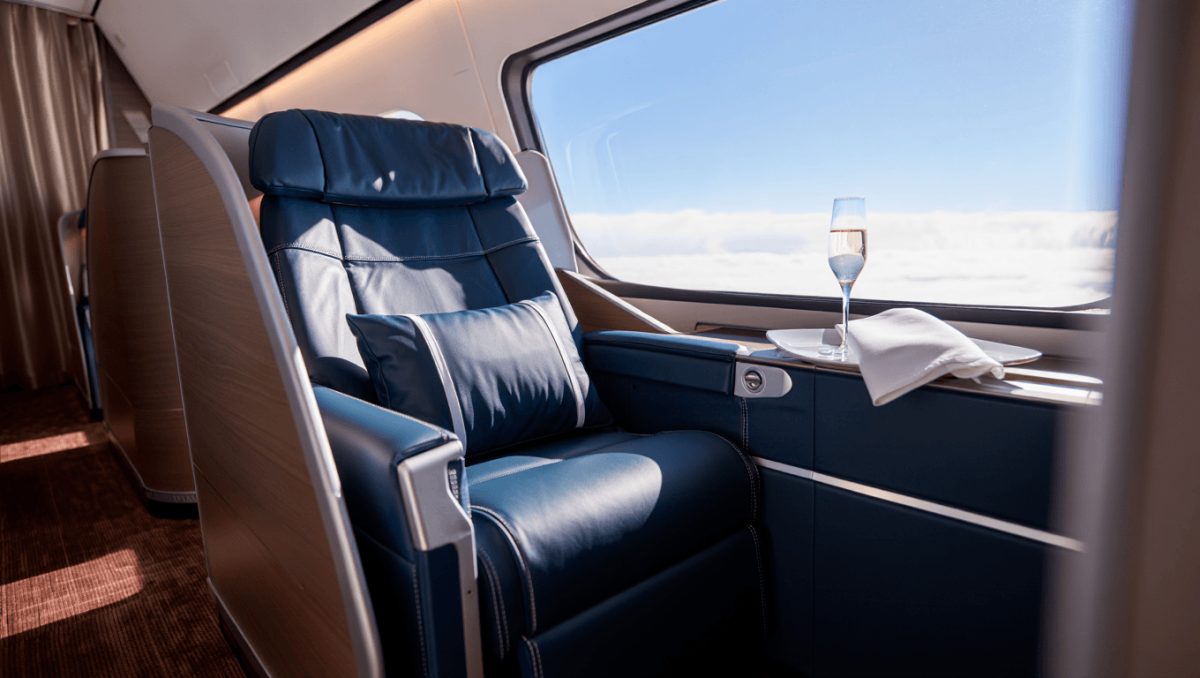
Alaska revised its seating plan to give travelers more options beyond basic economy. The airline increased the number of premium seats across much of its single‑aisle fleet to capture higher fares and improve customer satisfaction.
Knicks superfan Ben Stiller skips Oscars to watch gritty win over Warriors
U.S. embassies warn: 5 new travel alerts after demonstrations spread
- Premium options now include seats with extra legroom and enhanced recline.
- The change targets business travelers and frequent flyers willing to pay up for comfort.
- Revenue per flight is expected to rise as premium inventory replaces some standard seats.
The strategy balances passenger comfort with a clearer revenue model. Alaska is positioning itself to compete more directly with carriers that have invested heavily in upgraded economy and premium cabins.
Starlink Wi‑Fi rollout: what Alaska plans to install
Alaska has started installing Starlink satellite terminals to bring high‑capacity Wi‑Fi onboard. The program began with a small number of aircraft and will expand as certification and retrofits continue.
- Initial installations target narrowbody jets on domestic routes.
- Starlink promises higher speeds and lower latency than many air‑to‑ground systems.
- Expect phased rollouts as the airline tests reliability and scales hardware installs.
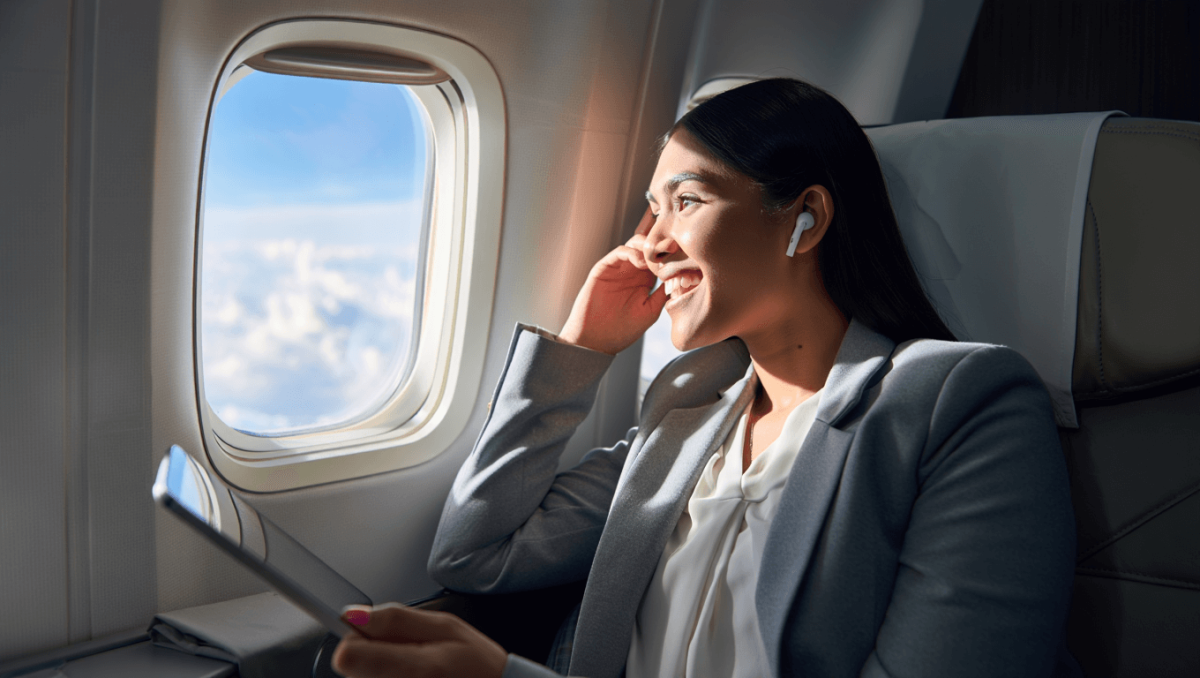
For travelers, that means smoother streaming, better video calls, and faster browsing. The aircraft installations will be coordinated to minimize schedule disruptions.
Passenger experience: faster internet and more seat choices
Combined, the cabin and connectivity upgrades will change what customers expect from Alaska flights.
- More premium seats give passengers room to work or rest.
- Improved Wi‑Fi will support streaming, online gaming, and real‑time business apps.
- Loyalty members may see differentiated benefits tied to upgraded cabins or connectivity perks.
These improvements are designed to reduce friction for remote work and entertainment in the air. Travelers who need to stay productive will especially notice the difference.
Technical and operational hurdles the airline faces
Retrofitting aircraft with new seats and satellite systems is complex. Alaska must manage downtime, crew familiarization, and regulatory checks.
- Installation requires coordination with maintenance schedules.
- Certification of Starlink equipment involves regulators and hardware testing.
- Teams must balance aircraft weight, power usage, and connectivity routing.
Careful rollout planning is essential to keep the fleet flying without long service interruptions.
How this fits into broader airline trends
Airlines worldwide are upgrading cabins and ditching legacy internet for satellite systems. Alaska’s dual push aligns with industry moves toward premiumization and continuous connectivity.
- Competitors are also expanding premium seating and adopting satellite Wi‑Fi.
- Passengers increasingly choose carriers based on comfort and online access.
- Ancillary revenue streams, such as paid Wi‑Fi plans and premium seat fees, are growing priorities.
Alaska’s investments reflect a market where service differentiation matters more than ever.
What travelers should watch for on bookings and flights
- Search for flights labeled with enhanced seating or premium‑class options.
- Look for announcements indicating which routes have Starlink Wi‑Fi active.
- Expect new fare tiers or bundled offers that pair premium seats with connectivity perks.
As rollouts continue, passengers will gradually see more jets with upgraded cabins and stronger in‑flight internet.