Show summary Hide summary
- What Heathrow changed and why it matters for flyers
- How the new scanners work and improve screening
- Security trade-offs and expert concerns
- Will the US adopt similar rules? The role of the TSA
- What this means for travelers now
- How airports plan to scale the new approach
- International momentum and industry views
Travelers passing through London Heathrow can now expect a quicker, less fussy security lane. After years of the 100ml bottles rule, parts of the airport are rolling out new scanner technology that lets passengers keep liquids in their bags. The change feels like a small victory for jet-setters—but it also raises big questions about when and whether the United States will follow.
What Heathrow changed and why it matters for flyers
Heathrow has begun relaxing the long-standing carry-on liquids restriction at select checkpoints. Passengers using upgraded lanes can leave drinks, creams and aerosols in their bags. That means fewer bottles to juggle at the conveyor and less chance of thrown-out purchases at the gate.
Christina Haack stuns in cream crochet bikini: responds to fourth engagement rumors
Knicks superfan Ben Stiller skips Oscars to watch gritty win over Warriors
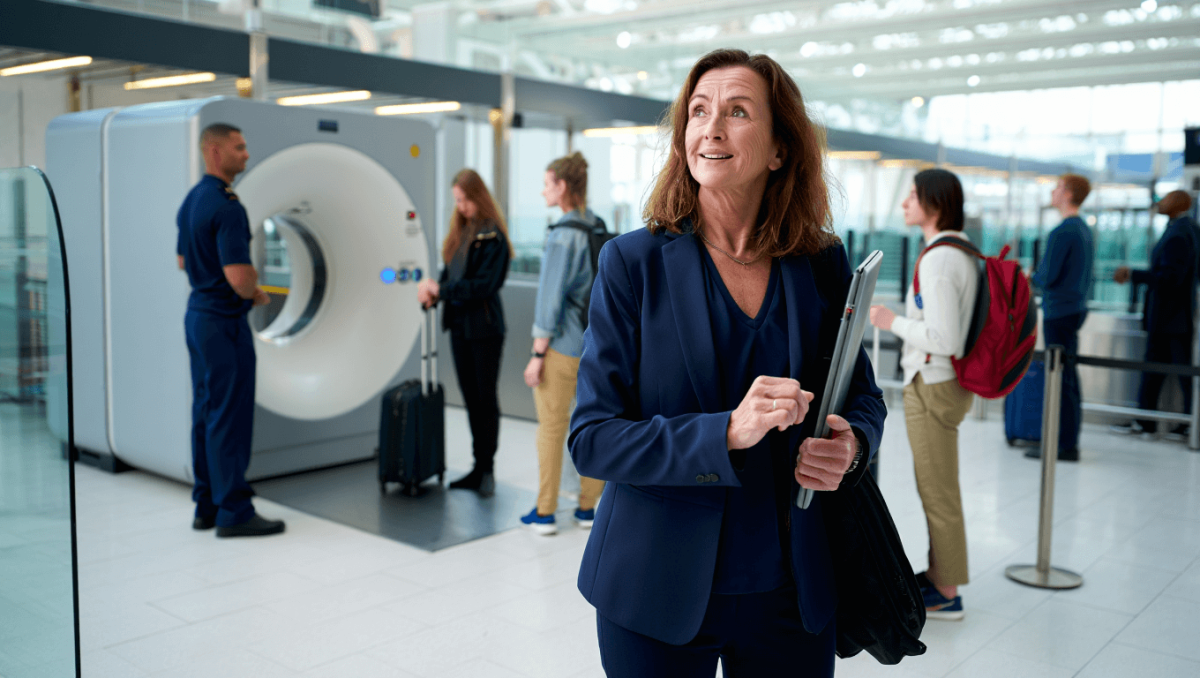
The change applies to lanes equipped with advanced computed tomography (CT) scanners. These machines produce 3D images and let security officers spot threats without passengers removing liquids.
How the new scanners work and improve screening
CT scanners create three-dimensional images of carry-on items. That gives officers more detail than standard X-rays. The devices can distinguish between harmless liquids and potential threats more reliably.
- CT imaging offers multiple viewing angles and clearer object separation.
- Automated algorithms help identify suspicious shapes inside packed bags.
- Operators can zoom and rotate a virtual image, reducing false alarms.
Result: faster processing and fewer bag inspections. Airports say throughput improves and passenger experience gets better.
Security trade-offs and expert concerns
Security agencies stress that any relaxation comes after testing. New scanners do not eliminate all risk. They change how threats are detected and rely on updated operator protocols.
- Devices require trained staff and maintenance.
- Algorithms and human review must work together to avoid misses.
- Costs and installation time vary, slowing rollout at some airports.
Experts caution that technology is only one part of aviation security. Procedures, intelligence sharing and random checks remain essential.
Will the US adopt similar rules? The role of the TSA
American travelers want the same convenience, but the Transport Security Administration (TSA) has been cautious. Any change would need approval and large-scale testing across US airports.
Key factors that will shape the TSA’s decision:
- Evidence from pilots and deployments abroad showing sustained safety.
- Capacity to buy and install CT units at major hubs.
- Training programs and revised standard operating procedures.
- Regulatory reviews and public consultation.
Political and logistical hurdles
The US faces unique logistical demands. Airport sizes, passenger volume and budget cycles complicate a rapid switch. Congressional oversight and federal procurement rules also affect timing.
What this means for travelers now
Until policies change widely, travelers should check their departure airport’s rules. Not all Heathrow lanes are updated yet. And most US airports still require liquids to be in 100ml containers inside a clear bag.
- Check your terminal and lane information before leaving for the airport.
- Keep receipts for duty-free liquids bought after security.
- Pack liquids according to the strictest rule you may encounter.
Practical tip: If you see signs for a “clear bag lane” or “enhanced screening,” ask staff whether liquids can stay in your carry-on.
How airports plan to scale the new approach
Airports typically phase in upgrades. They pilot the tech in lower-traffic lanes first. That allows staff to adapt and for authorities to evaluate safety metrics.
- Phase 1: Pilot lanes with CT scanners and trained teams.
- Phase 2: Expand to more checkpoints if tests meet targets.
- Phase 3: Full rollout, supported by regulation updates.
Costs are high, but airports argue benefits include time savings, reduced waste, and better passenger satisfaction.
International momentum and industry views
Several countries are testing or deploying advanced scanners. Airlines and airport operators generally support the shift. They highlight smoother passenger flows and the marketing value of less burdensome rules.
Security agencies remain the final authority. Any global shift will reflect a balance between convenience and risk management.