Show summary Hide summary
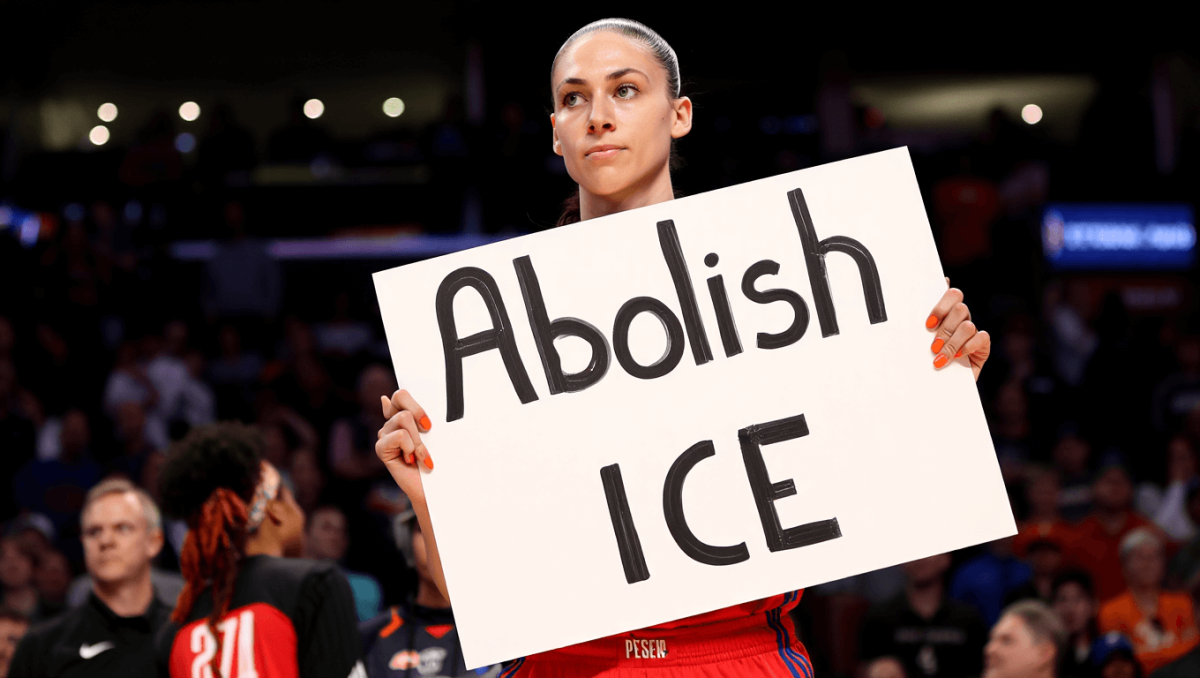
Breanna Stewart turned a routine player introduction into a political statement, holding a sign that read “Abolish ICE” at a recent Unrivaled Mist BC game. The image spread quickly on social platforms, sparking praise, debate and renewed attention on federal immigration enforcement after a series of deadly encounters in Minneapolis.
Stewart’s on-court message and the reaction it drew
At the start of the game, the WNBA star and Unrivaled co-founder lifted the sign during player intros. Photos and clips circulated across X and other channels within minutes.
United Polaris Studio suites: tickets now on sale for April inaugural flights
Auston Matthews-Radko Gudas controversy: Pierre LeBrun predicts fallout
- Fans applauded her courage, calling it one of the boldest displays of activism in women’s sports.
- Comments ranged from admiration to heated disagreement, underlining how sports and politics are increasingly intertwined.
- Media outlets highlighted the moment as part of a broader wave of athletes speaking out.
Supporters praised Stewart for using her visibility to amplify a contentious policy debate. Several posts noted that her gesture was not merely symbolic but connected to real, recent events that have inflamed public opinion.
Why the message is personal for Stewart and other athletes
Observers pointed out that Stewart’s stance is rooted in personal ties. Her wife, Marta, is an immigrant who holds a green card, a fact commentators said gives the issue added weight for Stewart’s family.
Sports journalists also singled out other public figures who have addressed the Minneapolis incidents. Athletes and commentators have been publicly critical, and some observers named Stewart and NBA player Tyrese Haliburton among the most outspoken.
- Family connections to immigration issues can drive athletes to speak publicly.
- High-profile protests from players bring national media focus to local incidents.
What happened in Minneapolis that provoked outrage
On Jan. 24, a video emerged showing federal agents shooting and killing a Minneapolis man identified as Alex Pretti. The footage spread widely and prompted intense scrutiny.
Key facts reported about the incident
- Victim: Alex Pretti, 37, described as an ICU nurse.
- Outcome: Pretti was shot and later pronounced dead.
- Public reaction: The video of the shooting circulated on multiple social platforms.
- Criticism: Witnesses and local residents said agents did not check for a pulse or perform CPR.
Authorities face questions over the agents’ actions at the scene. A Minneapolis resident told reporters that standard emergency steps, like checking for a pulse and rendering aid, were not performed. That claim has become a focal point in calls for accountability.
Local law enforcement has described Pretti as a lawful gun owner who held a permit to carry, and investigations are ongoing as the community demands more transparency.
Earlier case in the same city: the death of Renée Good
This incident followed another fatal encounter earlier in the month involving Renée Good. Good died in her car from multiple gunshot wounds, a death Hennepin County officials have ruled a homicide.
- Victim: Renée Good, a mother of three and U.S. citizen.
- Ruling: Medical examiners classified the death as homicide due to multiple gunshot wounds.
An attorney representing Good’s interests said they were still awaiting a full medical examiner report and urged authorities to communicate with the family before releasing further details. The family’s legal team emphasized the need for a complete and timely account of the facts.
How the moments on the court and on the street connect
Athletes’ public demonstrations, like the one by Stewart, have become a fast route for national discussion. The combination of social media, high-profile sports platforms and rapidly shared video footage has compressed local tragedies into national headlines.
- On-court gestures can amplify local investigations to a national audience.
- Viral videos accelerate public pressure for official answers.
- Family ties and community grief often shape how athletes respond to incidents.
The overlap of sports, social media and civic protest is now a regular feature of modern news cycles. Moments like Stewart’s sign are part of a broader pattern in which athletes use visibility to spotlight urgent social issues.