Show summary Hide summary
- Amanda Seyfried: nominations matter more than trophies
- Why stars skip the Oscars: common reasons
- Marlon Brando’s 1973 protest that echoed beyond Hollywood
- Elizabeth Taylor and Richard Burton: a couple who stayed away together
- Woody Allen: skepticism toward awards and occasional appearances
- Paul Newman: the long chase and a weary victory
- Eminem: asleep at the show and surprised by the win
- Will Smith: boycott, protest and a later ban
- Spike Lee: declining attendance to demand change
- Timeline of notable Oscar absences
- What these boycotts reveal about Hollywood today
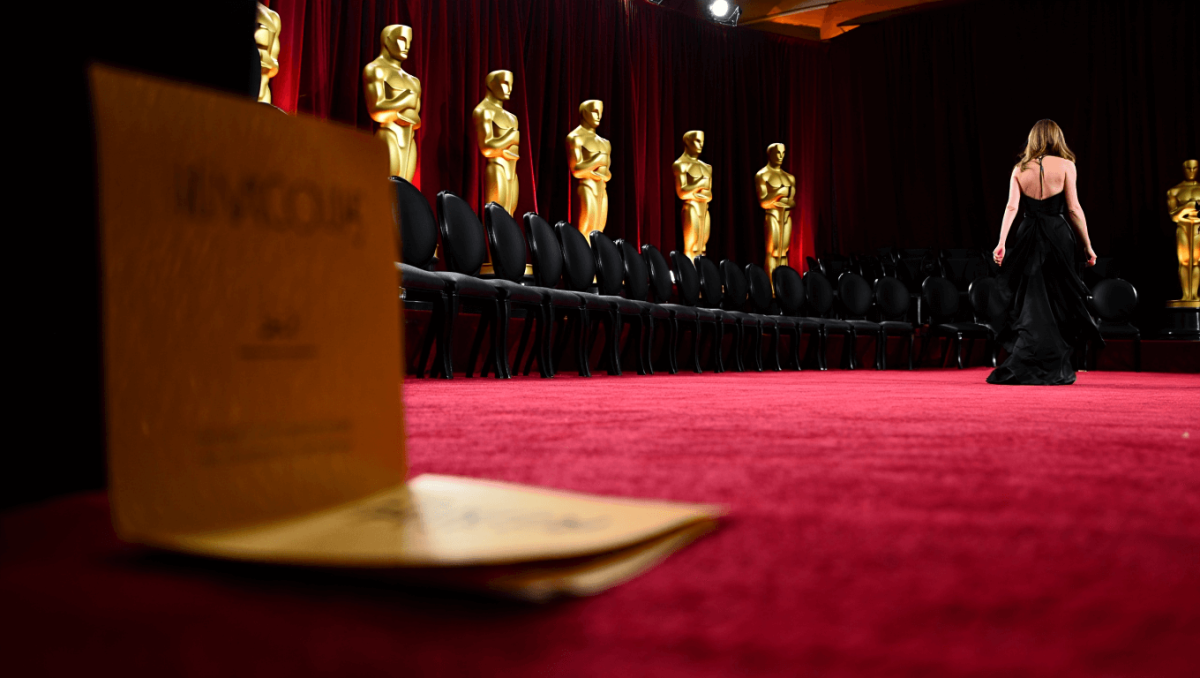
Hollywood’s red carpet has seen its share of empty seats. From principled protests to simple indifference, a surprising number of stars have chosen not to attend the Academy Awards. Their reasons span politics, exhaustion, principle and spectacle — and the stories behind those absences are as revealing as any acceptance speech.
Amanda Seyfried: nominations matter more than trophies
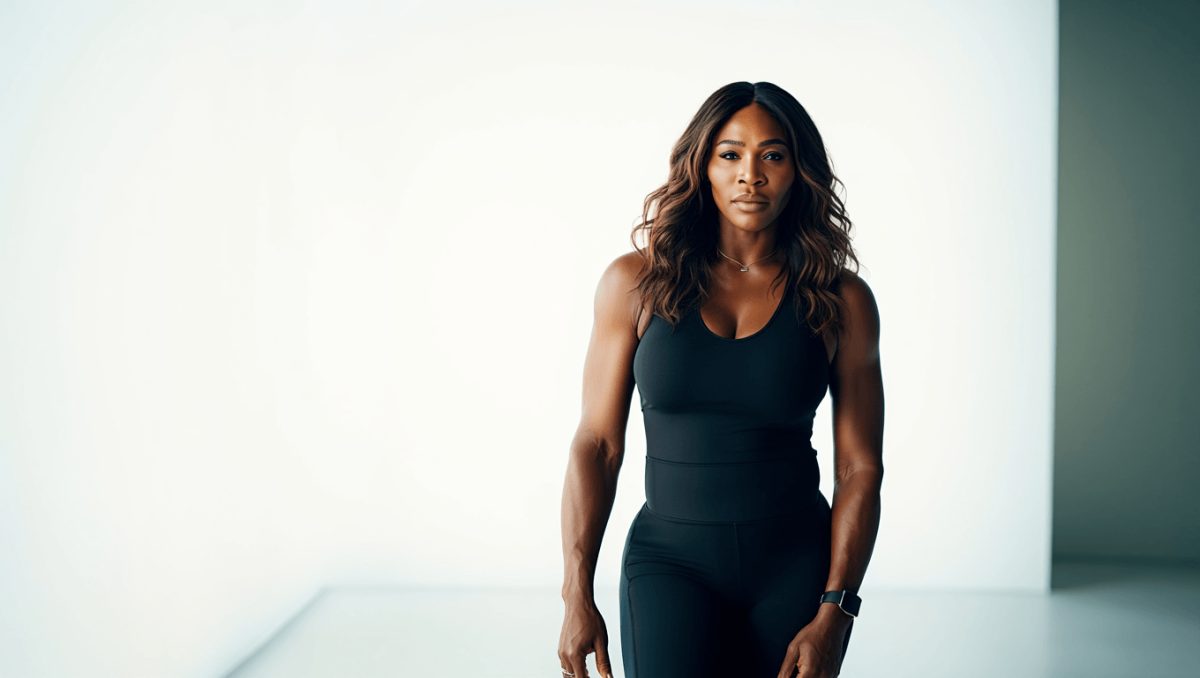
Amanda Seyfried told the New Yorker that an Oscar win is not her top priority. She suggested the real value lies in the attention a nomination brings.
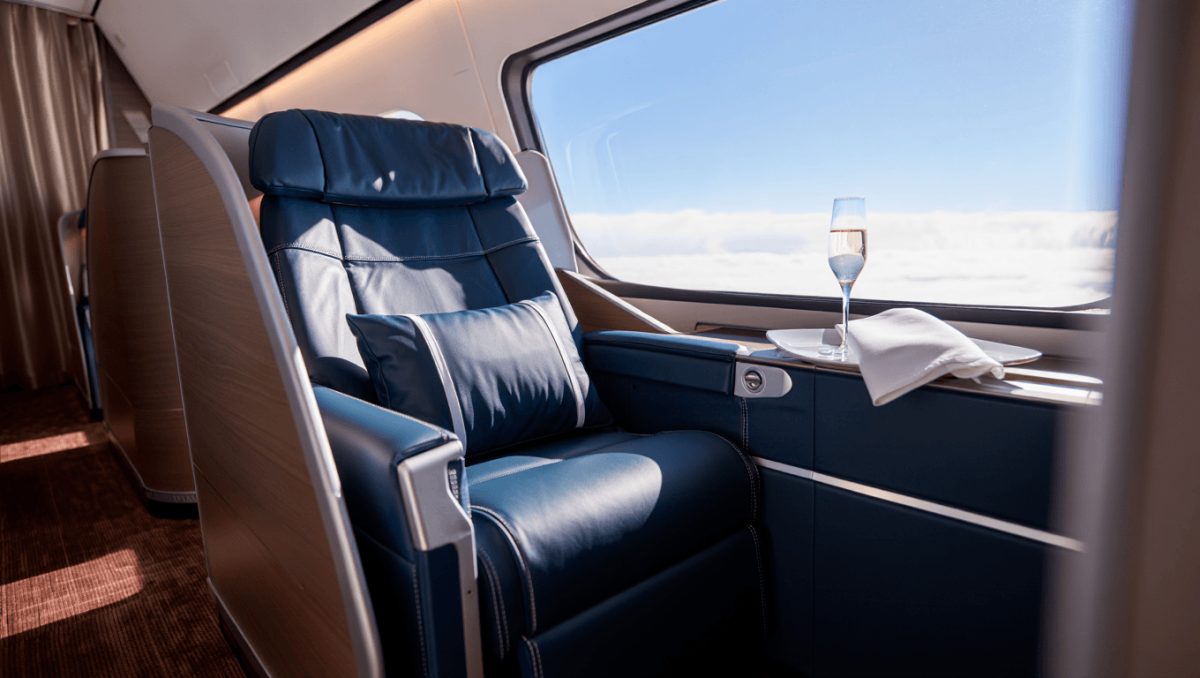
United Polaris Studio suites: tickets now on sale for April inaugural flights
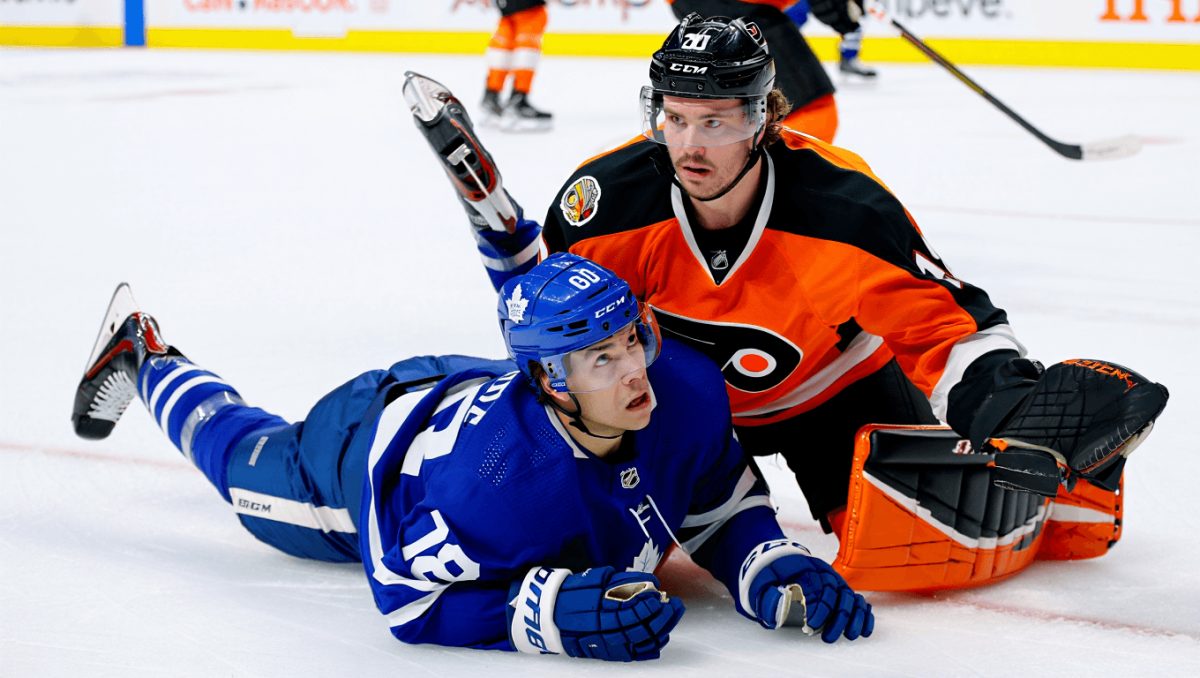
Auston Matthews-Radko Gudas controversy: Pierre LeBrun predicts fallout
Last year she had two films released on the same day and a limited series nominated by the Golden Globes. Seyfried emphasized that the nomination can boost an actor’s career. Recognition, she suggested, can be more powerful than the statuette itself.
Why stars skip the Oscars: common reasons
Motivations behind the silence
- Political protest and calls for diversity.
- Personal principle about the awards system.
- Logistical or personal reasons, like being unavailable or tired.
- Using the platform to highlight social causes.
Marlon Brando’s 1973 protest that echoed beyond Hollywood
When Marlon Brando won for his role in The Godfather, he declined to accept the statuette in person. He sent Native American activist Sacheen Littlefeather to speak for him.
Littlefeather used the moment to call attention to how Native Americans were portrayed in film. The reaction in the theater was hostile and loud. The episode remains one of the most famous Oscar refusals and a landmark protest on a global stage.
Elizabeth Taylor and Richard Burton: a couple who stayed away together
In the 1960s Richard Burton and Elizabeth Taylor were both nominated for their work in Who’s Afraid of Virginia Woolf? They chose to skip the ceremony as a pair.
Burton had suffered multiple high-profile Oscar losses and reportedly wanted to stop what he saw as a losing streak. Taylor, however, ended up winning Best Actress that year. Their joint decision to stay away has endured as part romance, part rebellion.
Woody Allen: skepticism toward awards and occasional appearances
Woody Allen has long expressed contempt for awards as a measure of artistic worth. Despite winning multiple Oscars for Annie Hall, he often declined the spotlight.
He made rare exceptions, such as appearing in 2002 to introduce clips honoring films made in New York after 9/11. Yet his general view remains clear: he questions the value of judging art by trophies.
Paul Newman: the long chase and a weary victory
Paul Newman accumulated many acting nominations over decades. When he finally won an Oscar for The Color of Money, he did not attend the ceremony.
In explaining his absence, Newman likened the experience to a long pursuit that had finally ended — only to leave him exhausted. He later accepted honorary Oscars for his lifetime achievements.
Eminem: asleep at the show and surprised by the win
Eminem’s Oscar for Best Original Song, “Lose Yourself,” was accepted by his co-writer because the rapper wasn’t present. Reports said he was asleep when the award was announced.
He later admitted he hadn’t expected to win and so hadn’t made plans to attend. The moment is a reminder that even headline-grabbing artists can miss milestone events.
Will Smith: boycott, protest and a later ban
Will Smith chose not to attend the 2016 Academy Awards as part of a broader protest over the lack of diversity among nominees. He criticized the industry for sidelining performers of color.
Years later his presence at the Oscars became a controversy after an onstage altercation with Chris Rock. The Academy responded with a multi-year ban on attending the ceremony. Smith’s story combines protest, personal conflict and institutional consequences.
Spike Lee: declining attendance to demand change
Director Spike Lee also sat out the Oscars in protest of the lack of diversity. Even after receiving an honorary Oscar, he publicly explained his decision not to attend.
Lee used social media to voice his frustration, pointing to the absence of nonwhite nominees across acting categories. His boycott aligned with other filmmakers pushing the Academy for reform.
Timeline of notable Oscar absences
- 1950s–1970s: Early high-profile absences tied to personal or political statements.
- 1980s–1990s: Stars skipping due to fatigue or disinterest in award culture.
- 2000s–2010s: Protests around representation and industry practices.
- 2020s: Continued debates about the Oscars’ relevance and who gets to be seen.
What these boycotts reveal about Hollywood today
Empty seats at the Academy Awards highlight deeper tensions in the industry. Some absences are personal choices. Others are deliberate attempts to pressure change.
Together they suggest the Oscars remain an important cultural mirror. Whether accepted or refused, the conversation around those golden statues keeps evolving.