Show summary Hide summary
- What the viral clips actually show and where they’re spreading
- Why visual experts call these clips fabricated
- How to verify suspect footage before sharing
- Who benefits from spreading fake demolition videos?
- Potential consequences and platform responsibilities
- Tools and resources to confirm video authenticity
- How journalists and fact-checkers are responding
A wave of shocking clips showing the White House being torn down has swept across social platforms, grabbing attention and triggering urgent fact-checks. The footage is cinematic and convincing, but experts and sleuths warn viewers to treat it with skepticism. Below we unpack what’s circulating, why it looks real, and how to judge video claims before sharing.
What the viral clips actually show and where they’re spreading
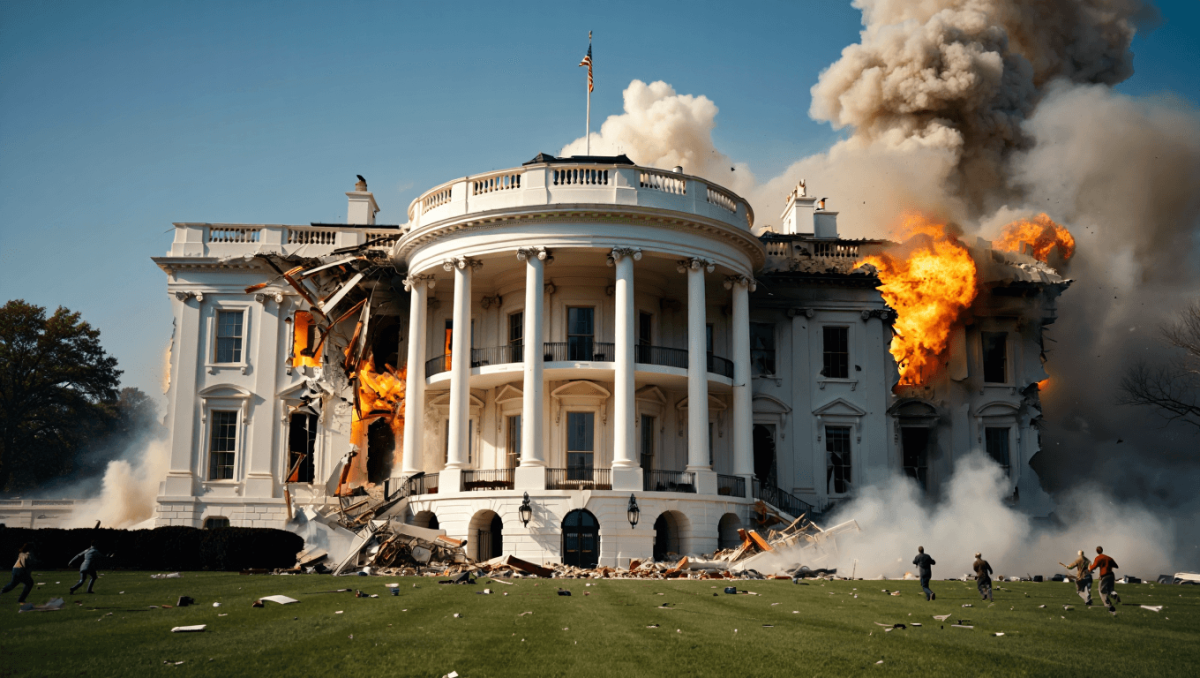
Short, edited clips portray explosions, cranes, and rubble where the presidential residence stands. They appear on TikTok, X, Instagram Reels, and YouTube Shorts. Some versions mix news-style voiceovers with dramatic sound effects. Others splice aerial shots and slow-motion collapses to heighten realism.
Nickelodeon star arrested after alleged Malibu burglary
Euphoria season 3: Sydney Sweeney left off set as feud with Zendaya intensifies
- Formats: quick cuts, cinematic filters, and fake news captions.
- Common tags: #WhiteHouse, #Breaking, #Demolition.
- Engagement drivers: shock value, political captions, and viral challenges.
Why visual experts call these clips fabricated
Video analysts note digital artifacts and compositing errors that betray manipulation. Movements, lighting and physical debris often fail to match the surroundings. Audio tracks are sometimes recycled from disaster films or stock libraries.
- Inconsistent shadows: light direction shifts between shots.
- Misaligned perspectives: camera angles that don’t match the building’s geometry.
- Reused stock elements: explosions or dust clouds that show in unrelated footage.
Technical signs of CGI or deepfake editing
Experts check frame edges, motion blur, and pixel noise. They also analyze metadata when available. Tools for forensic review often reveal layered edits and frame interpolation common in CGI.
How to verify suspect footage before sharing
Online panic spreads quickly. A few verification steps help separate real events from fabrications.
- Check reputable news outlets for reports of the event.
- Reverse-search key frames to find original sources.
- Look for official statements from government or emergency services.
- Examine timestamps and location data if exposed in the file.
- Compare the scene to live webcams or reliable aerial footage.
Who benefits from spreading fake demolition videos?
Motives vary. Some creators chase views and ad revenue. Others aim to provoke political reactions or undermine trust in institutions. Artists and prank accounts may label clips as satire, but viewers often see them as real.
- Monetary: ad play, sponsorships, platform rewards.
- Political: disinformation campaigns or propaganda.
- Artistic or satirical: experimental CGI shared without clear context.
Potential consequences and platform responsibilities
Misleading footage can inflame audiences and erode trust. Platforms face pressure to remove harmful content and label manipulated media. Rapid fact-checking and content moderation are now central to how sites handle viral clips.
- Public confusion can spike during high-engagement moments.
- Policy action often includes takedowns or warning labels.
- Legal concerns may arise if content incites violence or panic.
Tools and resources to confirm video authenticity
Anyone can use open tools to examine suspicious clips. Combining multiple methods gives a stronger assessment.
- Reverse image search engines for still frames.
- Forensic tools that detect editing artifacts.
- Trusted fact-check sites tracking viral claims.
- Official government and emergency accounts for real-time updates.
How journalists and fact-checkers are responding
Newsrooms deploy verification teams to trace origins and context. Reporters cross-check footage with witnesses, public records, and satellite imagery. When a clip is debunked, publications document the editing signs and the spread pattern to educate readers.
Transparency in reporting helps reduce the reach of manipulated media.