Show summary Hide summary
- Why inclusion in the National Film Registry matters
- Standout additions that grabbed headlines
- What types of films were chosen this year
- How the selection process works
- Preservation projects and restoration priorities
- Impact on filmmakers, audiences, and culture
- How to watch and celebrate newly listed films
- Broader trends signaled by this year’s selections
The Library of Congress has once again refreshed the nation’s cinematic memory, adding 25 titles to the National Film Registry. The newly selected works range from mainstream blockbusters to intimate indie romances, and each will now be preserved for future generations.
Why inclusion in the National Film Registry matters
The Registry protects films judged “culturally, historically, or aesthetically significant.” Being listed means a film enters a permanent preservation effort. The Library of Congress coordinates restorations and archival care.
Christina Haack stuns in cream crochet bikini: responds to fourth engagement rumors
Knicks superfan Ben Stiller skips Oscars to watch gritty win over Warriors
Preservation ensures that fragile prints, soundtracks, and original negatives survive beyond the life of commercial markets.
Standout additions that grabbed headlines
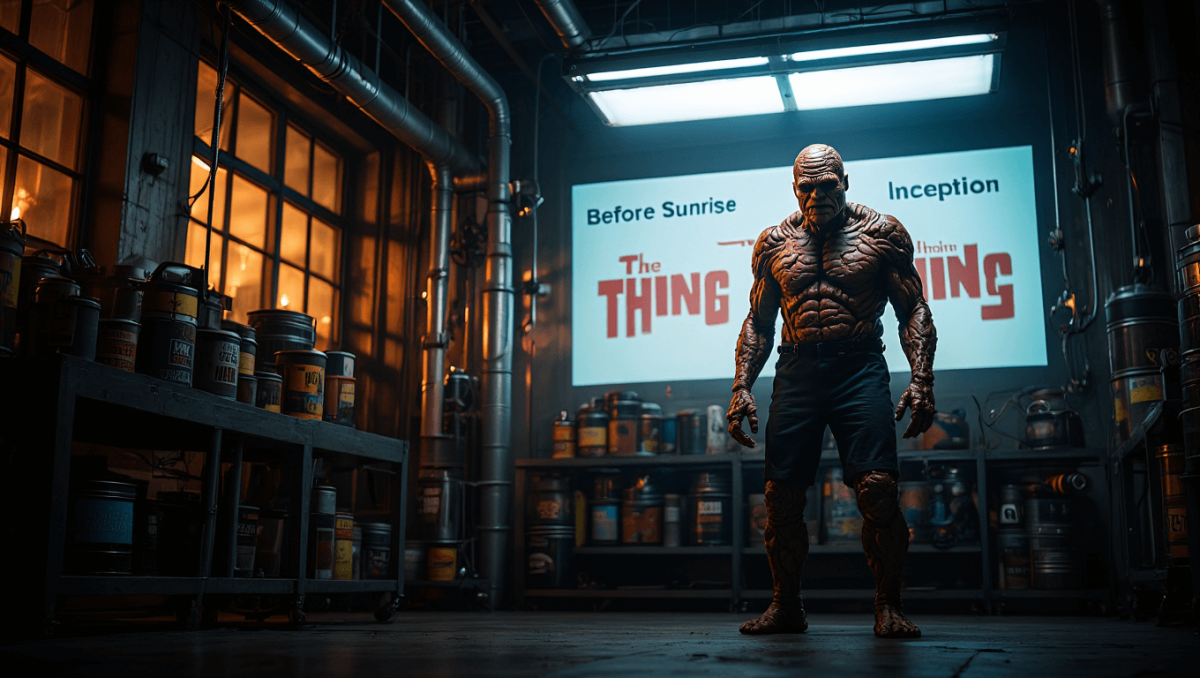
- The Thing — John Carpenter’s tense 1982 sci‑fi horror remains a benchmark for practical effects and dread.
- Before Sunrise — Richard Linklater’s 1995 dialogue‑driven romance reshaped modern indie love stories.
- Inception — Christopher Nolan’s 2010 mind‑bending blockbuster blended high concept and visual spectacle.
What types of films were chosen this year
The 25 selections reflect a wide range of American and international cinema.
- Studio hits and crowd favorites.
- Independent and low‑budget breakthroughs.
- Documentary milestones and experimental shorts.
- Films that sparked social conversation or influenced craft.
How the selection process works
The Library invites public nominations each year. A board of scholars, archivists, and filmmakers reviews submissions. Final decisions weigh cultural footprint and preservation need.
Public input matters: community nominations can spotlight overlooked works.
Preservation projects and restoration priorities
Once a film is added, specialists survey its condition. Projects may include:
- Digitizing fragile prints to prevent loss.
- Restoring original color timing and soundtracks.
- Securing multiple archival copies for redundancy.
Funding and partnerships often follow inclusion, enabling more ambitious restorations.
Impact on filmmakers, audiences, and culture
Registry recognition can revive interest in a film. Filmmakers see renewed respect for their work. Audiences discover titles that had faded from circulation.
Scholars and teachers gain easier access to preserved versions for study and programming.
How to watch and celebrate newly listed films
Many preserved titles return to streaming platforms, festivals, and museum screenings. Keep an eye on archives and film societies for curated showings.
- Check the Library of Congress announcements for restoration updates.
- Local film festivals often feature Registry additions.
- Special screenings may include expert talks or panel discussions.
Broader trends signaled by this year’s selections
This slate highlights how genre, indie voices, and blockbuster innovation all shape film history. The mix shows a commitment to preserving a diverse cinematic record.
Key takeaway: preservation honors both artistic achievement and cultural conversation.