Show summary Hide summary
- Why loyalty programs and promotions are becoming one strategy
- How data and tech make the merge possible
- Real-world moves: Sephora, Adidas and others
- Benefits for brands and customers
- Common tactics in integrated loyalty-promotion strategies
- Challenges and trade-offs to consider
- Measurement: tracking value beyond the transaction
- What success looks like in practice
- Steps for brands planning the shift
- Regulatory and cultural considerations
Brands and retailers are quietly redesigning how they reward customers. Instead of treating loyalty points and promotional discounts as separate tactics, companies from Sephora to Adidas are blending them into one seamless experience. This shift reshapes how shoppers earn, spend, and perceive value, and it alters marketing budgets and inventory strategies in equal measure.
Why loyalty programs and promotions are becoming one strategy
Retailers face rising customer acquisition costs and fickle purchase habits. Loyalty programs used to be about repeat purchases. Promotions were about driving trial. Now both serve the same goal: making every interaction measurable and profitable. Combining loyalty and promotions reduces waste and increases lifetime value.
United Polaris Studio suites: tickets now on sale for April inaugural flights
Auston Matthews-Radko Gudas controversy: Pierre LeBrun predicts fallout
Economic pressure meets shopper expectations
- Customer acquisition is costly, so brands prefer retaining shoppers.
- Shoppers expect personalized offers, not mass coupons.
- Retailers want clear ROI on promotional spend.
How data and tech make the merge possible
Advances in data platforms and attribution tools let brands connect promotions to long-term behavior. Retailers can track engagement across channels and assign value to loyalty actions. That makes tailored incentives possible at scale.
Tools powering the change
- Customer data platforms (CDPs) that unify online and offline data.
- Real-time personalization engines that serve offers at the right moment.
- Advanced analytics that link marketing to purchases and retention.
Real-world moves: Sephora, Adidas and others
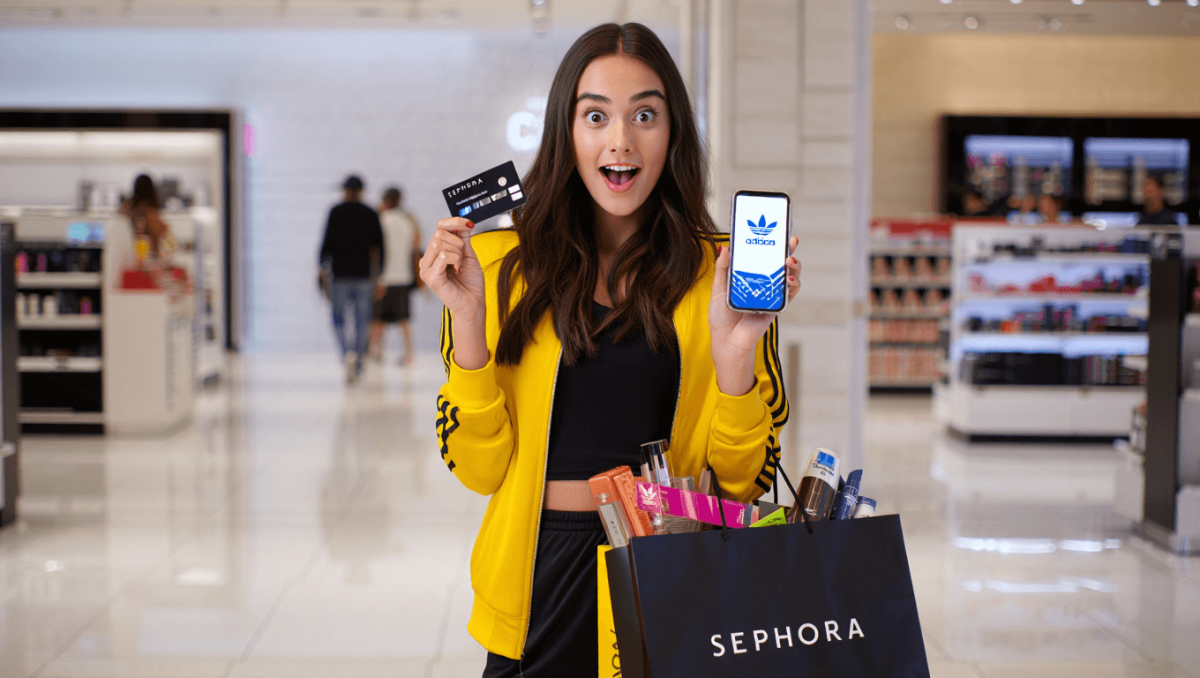
Companies known for strong loyalty ecosystems are testing integrated approaches. Sephora has long tied rewards to product discovery. Adidas is investing in member-first offers and exclusive access.
- Sephora focuses on experiential rewards and tiered incentives to keep beauty buyers engaged.
- Adidas leverages limited drops and member pricing to turn loyalty into urgency.
- Other retailers use points as a currency for discounts, early access, or unique content.
Benefits for brands and customers
When done right, merging loyalty with promotions improves margins and customer satisfaction. Retailers reduce blanket markdowns while delivering more relevant value to shoppers.
- Higher retention: Members return more often when offers match preferences.
- Better margins: Targeted rewards replace blanket discounts.
- Stronger differentiation: Unique member perks can outcompete low-price rivals.
- Actionable insights: Every reward interaction generates data for future campaigns.
Common tactics in integrated loyalty-promotion strategies
Brands are moving beyond simple point accrual. They use inventive mechanics to nudge behavior.
- Earned discounts for milestones, not just purchases.
- Time-limited member-only deals to create urgency.
- Points as currency usable for delivery, returns, or experiences.
- Surprise-and-delight bonuses tied to engagement metrics.
Personalization at scale
Personalization helps decide which reward to offer and when. With automated segmentation, brands can present different promotions to distinct member cohorts.
Challenges and trade-offs to consider
Combining loyalty with promotions is powerful, but it creates complexity. Brands must balance generosity with profitability and avoid training customers to wait for deals.
- Over-discounting can erode brand equity.
- Complex rules frustrate members if not communicated clearly.
- Data privacy rules limit targeting precision in some regions.
- Operational shifts are needed to support real-time offers across channels.
Measurement: tracking value beyond the transaction
Brands increasingly measure loyalty by customer lifetime value, not single-sale lift. That requires new KPIs and longer-term attribution windows.
- Retention rate and repeat purchase frequency.
- Net promoter score and member engagement metrics.
- Share of wallet compared to competitors.
- Incremental revenue from member-exclusive offers.
What success looks like in practice
Successful programs blend utility with emotion. They make members feel recognized and rewarded for behaviors that matter to the business.
- Clear, simple reward rules that are easy to redeem.
- Offers aligned with lifecycle stages, such as onboarding or win-back.
- Cross-channel consistency between app, site, and in-store experiences.
- Continuous testing to refine incentives and messaging.
Steps for brands planning the shift
Retailers considering this approach should start with data and a clear hypothesis on customer behavior.
- Audit current promotional spend and member behavior.
- Define KPIs tied to retention and lifetime value.
- Invest in a unified customer data layer.
- Run pilots with small cohorts before scaling.
- Design simple reward mechanics and test messaging.
Regulatory and cultural considerations
Privacy laws and regional shopping habits can shape how integrated programs are built. Brands must respect consent and be transparent about data use.
- Comply with data protection laws when personalizing offers.
- Adapt rewards to local shopping norms and currencies.
- Train store teams to explain member benefits clearly.