Show summary Hide summary
- Why MTV is turning away from music programming
- How music videos once defined pop culture
- 30 music videos that stuck with a generation
- How those videos shaped how we remember artists
- What fans lose when music channels vanish
- Where iconic videos live now
- How the industry remembers and preserves these moments
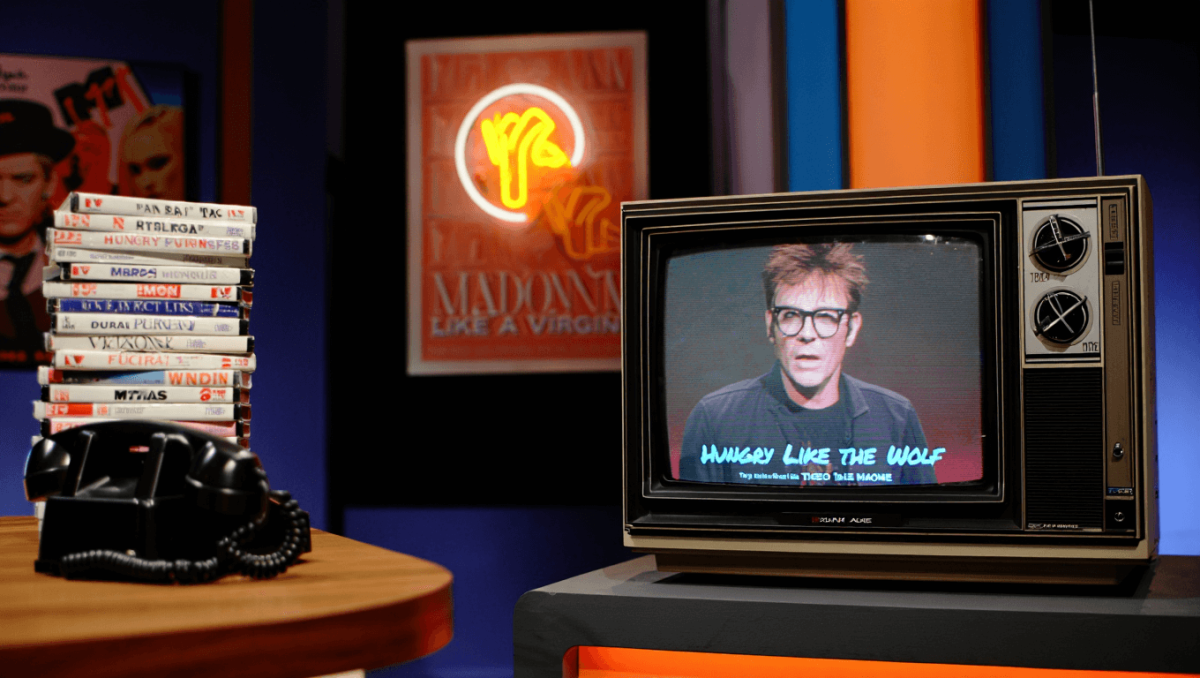
MTV’s decision to retire its music channels marks the end of an era. For decades, the network turned videos into cultural moments, introduced new artists, and gave teenagers a shared soundtrack. As the channels fade, many of us find ourselves replaying the clips that shaped our memories.
Why MTV is turning away from music programming
Audience habits changed fast. Streaming services and social platforms put videos on demand. Ratings for linear music blocks declined. Advertising priorities shifted toward lifestyle and reality content.
Christina Haack stuns in cream crochet bikini: responds to fourth engagement rumors
Knicks superfan Ben Stiller skips Oscars to watch gritty win over Warriors
Executives argue this is a business move. Fans see it as a cultural loss. MTV shutting its music channels is both a market decision and a symbolic goodbye.
How music videos once defined pop culture
The cultural power of the music clip
Music videos were appointment viewing. They created shared moments. A premiere could start watercooler talk the next day.
The artist-director collaboration
Directors and musicians pushed boundaries. Some clips looked like short films. Others were choreography masterclasses.
30 music videos that stuck with a generation
- Michael Jackson — “Thriller” (1983): A mini horror film that rewrote music-video ambition.
- Madonna — “Like a Prayer” (1989): Controversial imagery met mainstream pop.
- Nirvana — “Smells Like Teen Spirit” (1991): Raw energy and a generation’s anthem.
- Britney Spears — “…Baby One More Time” (1998): Teen-pop and an unforgettable school uniform.
- Beyoncé — “Single Ladies (Put a Ring on It)” (2008): Minimal set, maximum choreography.
- Lady Gaga — “Bad Romance” (2009): Fashion-forward and shockingly cinematic.
- Peter Gabriel — “Sledgehammer” (1986): Stop-motion innovation and visual whimsy.
- Guns N’ Roses — “November Rain” (1992): Epic storytelling and sweeping orchestration.
- A-ha — “Take On Me” (1985): Sketchbook animation that became iconic.
- Michael Jackson — “Billie Jean” (1983): A simple stage set and a glowing sidewalk made history.
- OutKast — “Hey Ya!” (2003): Playful performance and unexpected creativity.
- Sinead O’Connor — “Nothing Compares 2 U” (1990): A close-up that cut straight to emotion.
- Beastie Boys — “Sabotage” (1994): A parody that felt like a cult TV pilot.
- R.E.M. — “Losing My Religion” (1991): Surreal images and religious motifs.
- Eminem — “The Real Slim Shady” (2000): Provocative satire and mass conversation.
- TLC — “Waterfalls” (1995): Social messages woven into glossy visuals.
- Red Hot Chili Peppers — “Californication” (2000): A video game-styled world mirrored the song.
- Missy Elliott — “Work It” (2002): Inventive effects and fearless choreography.
- The Verve — “Bittersweet Symphony” (1997): One continuous walk and unforgettable mood.
- Britney Spears — “Toxic” (2004): High-gloss action and cinematic hooks.
- Justin Timberlake — “Cry Me a River” (2002): Cinematic drama and personal storytelling.
- Jamiroquai — “Virtual Insanity” (1996): A moving-floor visual that stunned viewers.
- Tupac/Shakur — “California Love” (1996): A cinematic ode to West Coast hip-hop.
- Missy Elliott — “Get Ur Freak On” (2001): Global sounds and bold imagery.
- Oasis — “Wonderwall” (1995): A Britpop moment with broad appeal.
- M.I.A. — “Paper Planes” (2008): Political edge and an unforgettable hook.
- The Buggles — “Video Killed the Radio Star” (1979): The clip that launched MTV’s mythos.
- Arcade Fire — “Rebellion (Lies)” (2004): Atmospheric footage and indie breakthrough energy.
- Kendrick Lamar — “Alright” (2015): A protest anthem with potent visual symbolism.
How those videos shaped how we remember artists
- They created personas. Videos made stars larger than radio could.
- They launched trends. Fashion and choreography moved from screen to streets.
- They taught fans how to read an artist’s image.
Music videos became identity markers for fans and artists alike. MTV amplified those images into a cultural broadcast.
What fans lose when music channels vanish
Shared countdowns and scheduled premieres disappear. The communal aspect of discovering a video at the same time fades.
For many viewers, the channels were how they learned tastes, debated bands, and bonded with friends.
Where iconic videos live now
Most clips moved online years ago. YouTube, Vevo, and streaming platforms host official uploads. Social apps recycle short clips and memes.
- YouTube: archival libraries and premieres.
- Social platforms: short-form clips and viral moments.
- Streaming services: curated artist features and documentary content.
How the industry remembers and preserves these moments
Archives and remastered re-releases keep videos accessible. Film festivals and museum exhibits also showcase music-video art.
Fan communities continue to share and celebrate these works. Iconic music videos remain cultural touchstones even as broadcast channels change.