Show summary Hide summary
- How Bridgerton uses “pinnacle” and what it stands for
- Why the term becomes an emotional trigger for Francesca
- John Stirling’s role and the couple’s dynamic
- Hannah Dodd on Francesca’s struggle with pressure and expectations
- How this plotline connects to the novels and larger themes
- Why the storyline resonates beyond the Regency setting
- Scenes and moments that stand out in season four
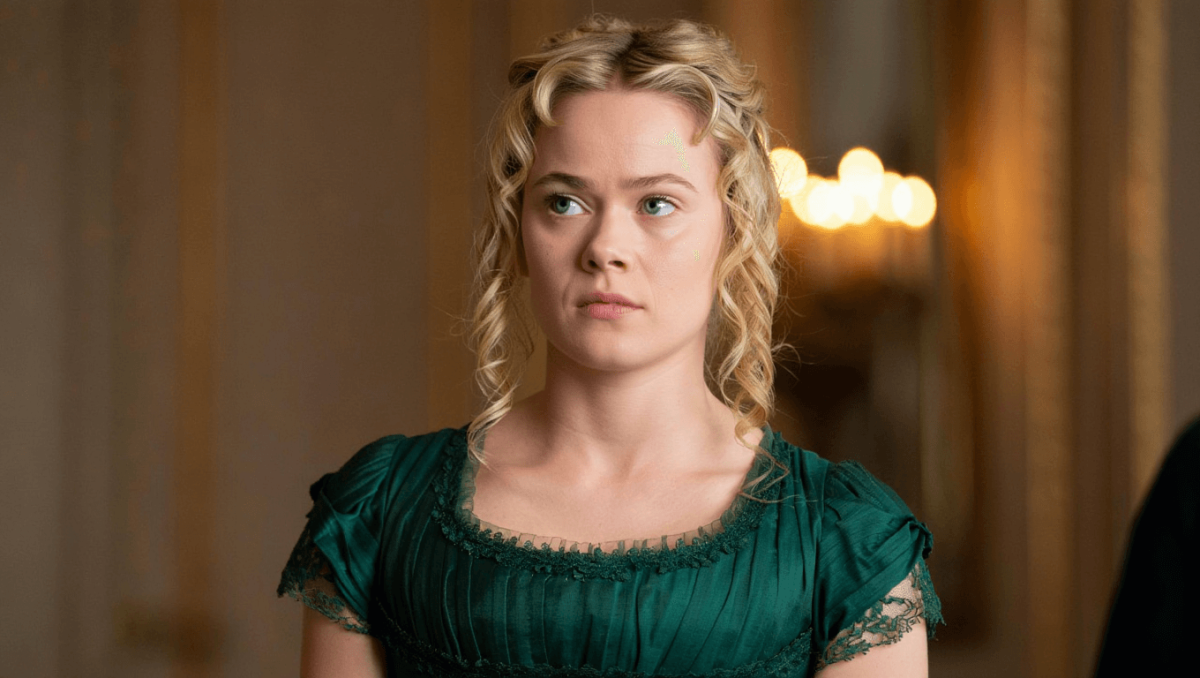
Viewers of Bridgerton season four have seized on one old-fashioned term that keeps popping up: “pinnacle.” The word fuels a tender, fraught storyline about Francesca Bridgerton and her husband, John Stirling, as they grapple with intimacy, expectation, and the strain of trying to start a family.
How Bridgerton uses “pinnacle” and what it stands for
In the show’s Regency language, “pinnacle” is used as a discreet way to refer to the peak of sexual pleasure. The term serves a plot purpose beyond mere euphemism. It becomes a focal point for confusion and shame when Francesca and John discuss conception.
United Polaris Studio suites: tickets now on sale for April inaugural flights
Auston Matthews-Radko Gudas controversy: Pierre LeBrun predicts fallout
- Pinnacle = the climactic moment of physical intimacy.
- The couple believe that this experience may improve their chances of getting pregnant.
- Francesca’s lack of experience with the idea turns the word into a source of anxiety.
Why the term becomes an emotional trigger for Francesca
Francesca’s reaction is not simply about vocabulary. The pressure to understand and achieve this private moment makes her doubt herself. She starts to wonder whether something is wrong with her body.
This internal turmoil shifts the story from a period romance subplot into a deeper character study. The show uses language, expectation, and silence to reveal how a single euphemism can become a symbol of failure and self-blame.
John Stirling’s role and the couple’s dynamic
John’s attempt to explain what he means about conceiving exposes differences in knowledge and comfort between partners. That gap in understanding is played for drama and pathos.
- His explanation is practical but creates unintended pressure.
- Francesca responds by internalizing responsibility.
- The exchange highlights how intimacy, when spoken about awkwardly, can become a source of distance.
Hannah Dodd on Francesca’s struggle with pressure and expectations
Hannah Dodd, who portrays Francesca, has spoken about how painful the storyline is for her character. She describes Francesca’s belief that she is failing her husband and her role as a wife.
Dodd emphasizes that the pressure to be “successful” in marriage and to perform wifely duties is crushing for Francesca. The actor notes that the character’s anxiety grows from season three into season four.
Dodd points out how the pressure to conform to expectations makes Francesca question her worth, a feeling many viewers may recognize.
Elements of Francesca’s emotional arc
- Confusion about physical intimacy.
- Self-blame tied to fertility concerns.
- Legacy of social expectations about marriage and motherhood.
How this plotline connects to the novels and larger themes
The TV drama borrows from the books, where Francesca’s journey includes long-term fertility struggles. In the novels, she faces challenges before later becoming a mother.
On screen, the motif of the “pinnacle” opens discussion about bodily knowledge, gendered pressure, and how silence around sex harms relationships. The sequence invites viewers to consider how language and stigma shape private pain.
Why the storyline resonates beyond the Regency setting
The arc feels contemporary because it maps onto modern conversations about reproductive anxiety.
- Many women today report feeling judged about fertility and performance.
- Miscommunication between partners remains a common source of stress.
- Shows like Bridgerton use period settings to reflect current social dilemmas.
Scenes and moments that stand out in season four
Several scenes make clear how powerful small, awkward conversations can be. A few quiet exchanges leave a lasting emotional impression.
- Attempts to explain conception become moments of vulnerability.
- Francesca’s isolation is shown through private reflection and visible worry.
- Support and misunderstanding alternate, revealing the complexity of marital intimacy.