Show summary Hide summary
- What the commissioner actually said about the controversy
- How MAGA critics voiced their objections
- Why Bad Bunny’s selection drew attention
- Reactions from fans, artists, and sponsors
- Legal and PR strategies behind the NFL’s stance
- How politics keeps surfacing in entertainment choices
- Implications for future Super Bowl halftime lineups
- Timeline of the public exchange
- What media and analysts are saying
- How this episode reflects broader cultural shifts
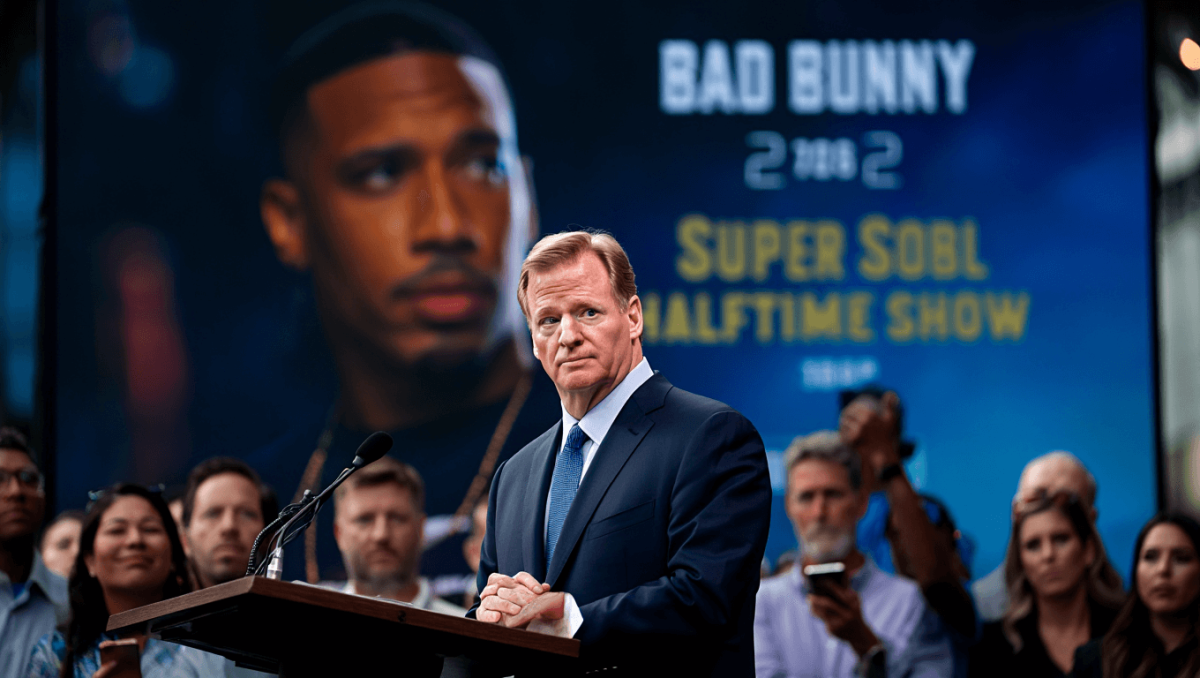
When the NFL announced Bad Bunny as the headliner for the 2026 Super Bowl halftime show, a wave of criticism quickly rose from MAGA-aligned voices. Now, NFL Commissioner Roger Goodell has publicly addressed the backlash, stepping into a debate that mixes music, politics, and the biggest stage in American sports.
What the commissioner actually said about the controversy
In a recent statement, Goodell defended the league’s choice and stressed the NFL’s priorities. He framed the halftime show as an entertainment moment first. He also emphasized the league’s commitment to broadening its audience.
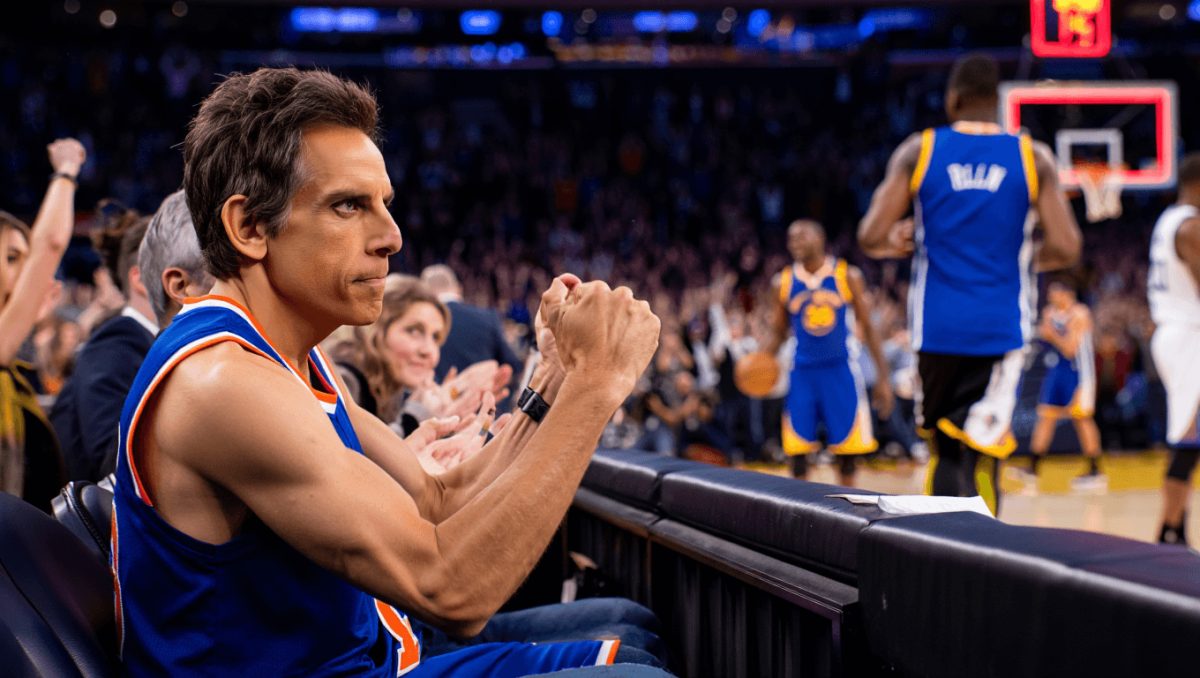
Knicks superfan Ben Stiller skips Oscars to watch gritty win over Warriors
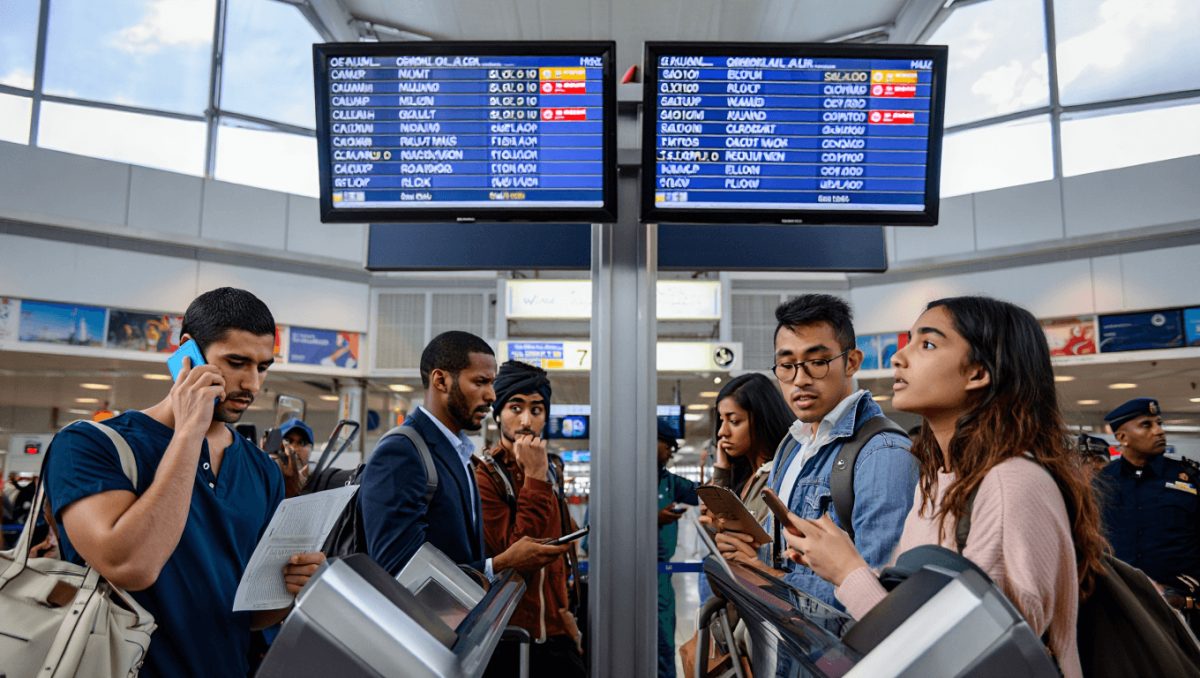
U.S. embassies warn: 5 new travel alerts after demonstrations spread
Goodell made it clear that decisions about halftime performers are driven by cultural relevance and fan interest. He said the league is not endorsing political positions by booking artists.
How MAGA critics voiced their objections
- Conservative pundits and politicians raised questions about Bad Bunny’s past statements and public persona.
- Some called for boycotts of the Super Bowl broadcast and its sponsors.
- Social media campaigns used hashtags to amplify criticism and rally followers.
The backlash mixed cultural concerns with political messaging. It also included calls for sponsors to distance themselves from the halftime show.
Why Bad Bunny’s selection drew attention
Bad Bunny is one of the most influential artists of his generation. He crosses language barriers and commands large global audiences. That makes him an attractive choice for an event seeking mass appeal.
His music and public stances have sometimes been framed as political by critics. But many fans see his presence as representation of a changing cultural landscape.
Reactions from fans, artists, and sponsors
- Fans expressed excitement and praise across TikTok, X, and Instagram.
- Several artists congratulated Bad Bunny publicly.
- Brands stayed largely silent at first, watching social sentiment closely.
Advertisers often prefer neutrality. They monitor controversies during major events and adjust their responses accordingly.
Legal and PR strategies behind the NFL’s stance
The NFL must navigate contracts, ratings pressure, and sponsor relationships. The league’s team likely reviewed potential fallout before announcing the performer.
From a PR perspective, standing by the decision reduces the risk of appearing reactive. It signals confidence in the halftime selection process.
How politics keeps surfacing in entertainment choices
Over the past decade, entertainment platforms have become battlegrounds for political debates. High-profile bookers, directors, and musicians routinely face scrutiny.
Political groups see cultural moments as leverage. That drives louder reactions when the chosen performer is seen as controversial.
Implications for future Super Bowl halftime lineups
- Leagues may weigh cultural resonance more heavily than safe choices.
- Sponsors could demand advance assurances or opt-out clauses.
- Artists with strong identities might expect increased scrutiny.
Booking acts that excite global audiences can boost ratings. But it also carries reputational risk when political groups mobilize.
Timeline of the public exchange
- Announcement of Bad Bunny as 2026 halftime headliner.
- Rapid social media backlash from MAGA-aligned accounts and influencers.
- Calls for boycotts and advertiser distancing amplified online.
- Commissioner Goodell’s public response defending the NFL’s choice.
- Ongoing debate among fans, pundits, and advertisers.
What media and analysts are saying
Media outlets frame the episode as another example of culture clashing with politics. Analysts note that the NFL faces a balancing act between creative freedom and commercial stability.
Experts point out that controversy can both harm and help ratings. It can alienate some viewers while galvanizing others.
Key takeaways for viewers and advertisers
- Viewers should expect heated discussion leading up to the show.
- Advertisers will likely monitor sentiment before deciding airing strategies.
- Artists and leagues may increasingly prepare for political pushback.
How this episode reflects broader cultural shifts
The debate around the halftime show is more than a single controversy. It highlights how sport, music, and politics now intersect regularly.
Audiences are more diverse than ever. The NFL’s booking choices show an effort to reflect that diversity, even as political groups contest the cultural signals those choices send.