Show summary Hide summary
- What unfolded at the game: a fast-moving scene
- Public reaction: viral outrage and unexpected comparisons
- Why teachers were brought into the conversation
- Standards for broadcast safety and crowd control
- Voices from the scene and expert perspectives
- How universities and teams responded
- Legal perspective: rights, liabilities, and enforcement
- Practical steps reporters and venues can take
- How the moment fits into larger cultural trends
- Tips for viewers and fans: how to be mindful at live events
- Metrics and reach: how the story spread
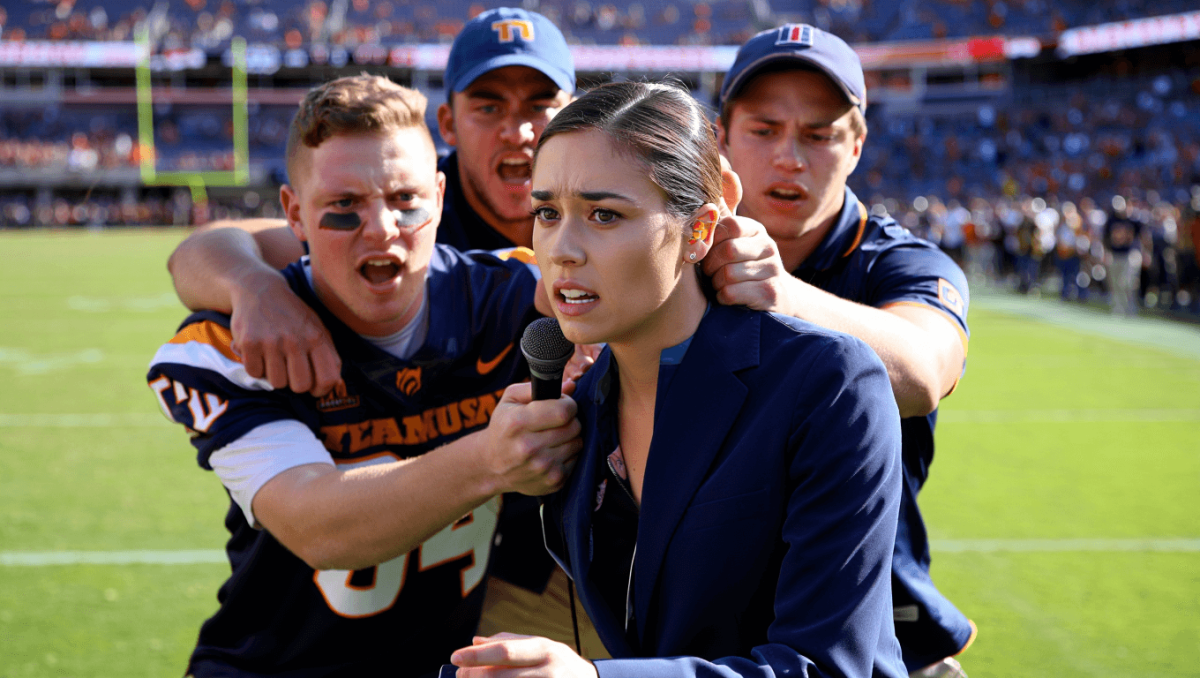
A short video from a recent college football matchup has reignited debates about fan behavior and the safety of on-field reporting. In the clip, a sideline reporter is relentlessly confronted by overzealous fans, prompting an outpouring of reactions online — including many who connected the scene to broader workplace stress, saying things like, “I see why teachers keep quitting.”
What unfolded at the game: a fast-moving scene
Journalists at live sporting events work in chaotic settings. In this case, a reporter attempting a brief live hit was swarmed by fans. The footage shows relentless questions, hands invading personal space, and repeated interruptions.
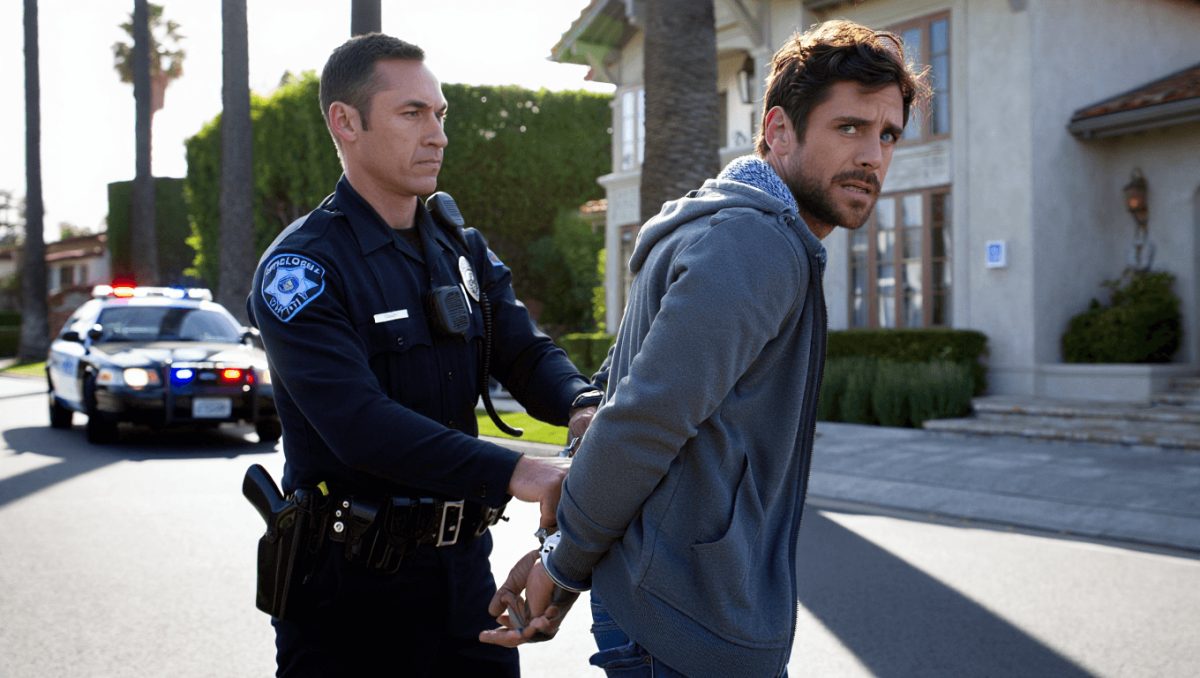
Nickelodeon star arrested after alleged Malibu burglary
Euphoria season 3: Sydney Sweeney left off set as feud with Zendaya intensifies
Broadcast producers tried to regain control, but the exchange was noisy and disorienting. Within hours, the clip landed on social feeds and drew thousands of comments.
Public reaction: viral outrage and unexpected comparisons
Social media users reacted in varied ways, but certain themes stood out.
- Criticism of fan conduct: Many called the crowd’s behavior rude and unsafe for a working journalist.
- Support for the reporter: Viewers praised the reporter’s composure under pressure.
- Broader workplace parallels: A surprising number of commenters connected this harassment to the everyday mistreatment faced by teachers and other professionals.
Comments like “If this is how the public treats reporters, no wonder burnout is rising” became common. Several posts explicitly linked the incident to teacher attrition and declining job morale.
Why teachers were brought into the conversation
The jump from a sideline altercation to education workforce trends might seem sudden. But online discussions framed both as symptoms of a culture tolerant of disrespect.
- Teachers report frequent verbal hostility from students and parents.
- Public-facing workers often absorb pressure without institutional safeguards.
- When harassment becomes normalized, job satisfaction drops.
In short, the clip served as a metaphor for many people’s daily encounters with rude or aggressive behavior at work.
Standards for broadcast safety and crowd control
Live reporting follows protocols meant to protect on-air talent. Still, large crowds can outpace these measures.
- Broadcasters rely on security details and designated media zones.
- Stadium staff are expected to enforce boundaries, but enforcement varies.
- Unexpected interactions often reveal gaps in planning and staffing.
Experts say clearer physical barriers and better coordination with venue security could prevent similar incidents.
Voices from the scene and expert perspectives
People close to the event offered firsthand and informed takes.
- Colleagues of the reporter noted the emotional toll of repeated harassment.
- Media safety trainers highlighted the need for de-escalation skills.
- Labor advocates pointed to broader patterns of public disrespect toward service and education professionals.
One media safety consultant told reporters to stage live shots with a clear escape route and visible staff nearby.
How universities and teams responded
Within a day, several institutions weighed in. Typical responses included:
- Official statements condemning harassment.
- Promises to review security and credentialing procedures.
- Reminders to fans about sportsmanship and respect for media.
Some athletic departments also said they would increase patrols near broadcast zones at future events.
Legal perspective: rights, liabilities, and enforcement
From a legal angle, on-field harassment can intersect with criminal and civil liabilities.
- Assault or battery charges may apply if physical contact occurs.
- Private venues can remove disruptive spectators under contract terms.
- Media organizations can pursue complaints against persistently abusive individuals.
Legal experts say proactive documentation and quick security action strengthen any later case.
Practical steps reporters and venues can take
To reduce risk and preserve on-air quality, several practical measures can help.
- Place visible barriers between media and fans.
- Station security at all live-shot positions.
- Brief crews and talent on de-escalation techniques.
- Use signs and PA announcements to remind fans of media zones.
- Collect video evidence and file immediate incident reports when harassment occurs.
Small operational changes can significantly improve safety and comfort for reporters.
How the moment fits into larger cultural trends
The clip tapped into ongoing debates about civility in public life. Similar episodes have involved teachers, healthcare workers, and service staff.
- Workers in visible roles more frequently report verbal abuse.
- Public tolerance for aggressive behavior appears to be rising in some venues.
- Viral videos often spark temporary outrage but slow policy change.
Observers warn that without structural fixes, patterns of harassment will continue to spread across professions.
Tips for viewers and fans: how to be mindful at live events
- Respect personal and professional space for media and staff.
- Avoid interrupting live broadcasts or on-field work.
- Report aggressive behavior to venue security promptly.
- Model sportsmanship by cheering without encroaching on work areas.
Fans who wish to engage with reporters can do so after broadcasts and within designated zones.
Metrics and reach: how the story spread
The clip accumulated millions of views across platforms. Shares and comments multiplied as users linked the scene to broader grievances. Hashtags about harassment and professionalism trended briefly after the video hit major feeds.
Viral traction forced institutions to respond more quickly than they might have otherwise.