Show summary Hide summary
- How fashion labels and food brands reacted to the Minneapolis raids
- Specific brand moves: from donations to pay-for-strike days
- Decisions made behind the counter: staff conversations and legal worries
- One company’s stance and why it mattered
- Local brands step up: family-run labels and community ties
- Business coalitions and the neutral middle ground
- Experts on corporate advocacy: when brands should speak up
- Why some leaders say this is a defining moment
- Public reaction and the risks of taking a stand
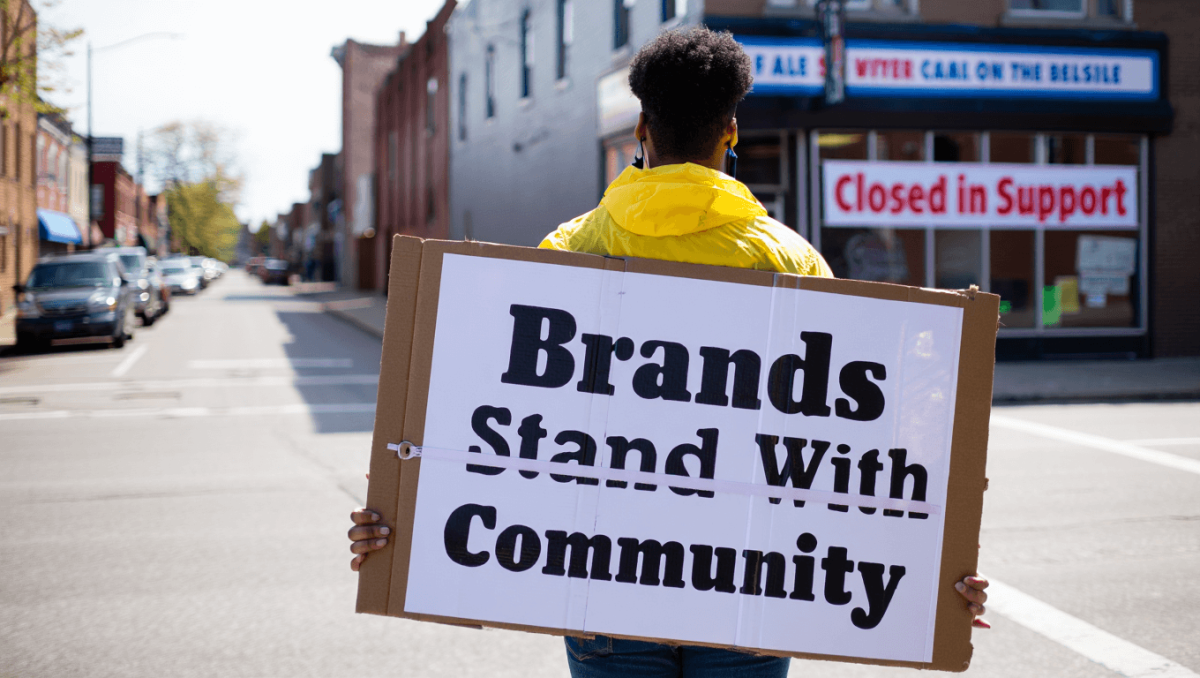
As federal immigration agents moved into Minneapolis neighborhoods, dozens of consumer brands took to social platforms and storefronts to push back. They posted resources, closed shops, donated money and urged political action. Their moves have turned businesses into megaphones in a fast-moving civic moment.
How fashion labels and food brands reacted to the Minneapolis raids
In recent weeks, small and midsize companies used Instagram and other channels to condemn Immigration and Customs Enforcement operations in Minneapolis. Posts ranged from calls to action to practical support for affected families.
- Store closures: Some retailers closed physical locations in solidarity and paid staff for the day.
- Fundraising: Brands donated proceeds or one-time sums to legal and social-service groups that help immigrants.
- Information sharing: Companies amplified hotline numbers, resource lists and legal advice for communities under threat.
- Advocacy: Several businesses urged political change, including calls to end ICE or to pass protective legislation.
Christina Haack stuns in cream crochet bikini: responds to fourth engagement rumors
Knicks superfan Ben Stiller skips Oscars to watch gritty win over Warriors
Not all companies taking a stand were local to Minnesota. A mix of Twin Cities-based producers and national labels joined the chorus.
Specific brand moves: from donations to pay-for-strike days
Some actions were symbolic. Others involved cash and concrete support.
- One apparel brand announced a temporary nationwide shuttering of its stores in solidarity with Minnesota and paid its 16 employees for the closure.
- A coastal clothing line donated $25,000 to the Florence Project, which provides legal aid and advocacy to immigrants.
- Smaller makers used their online storefronts to route sales to local immigrant-rights groups.
- Cafes and food brands shared safety tips for neighbors and encouraged calls to elected officials.
These were not purely performative gestures for many business owners. Several said they weighed lost sales against moral urgency.
Decisions made behind the counter: staff conversations and legal worries
For some shop owners, the choice to speak out came after internal talks with employees. Managers considered who would be at risk if federal agents entered a store.
One brand leader explained that staff were authorized to close a store if agents appeared. The reasoning combined empathy with a tense legal backdrop. While businesses said ICE is not supposed to detain workers on site without cause, owners worried about how the agency actually behaves in practice.
Business leaders told employees they could use protest or solidarity days however they wished. Staff were not required to demonstrate, but they were paid for time off.
Owners said the decision to pause commerce carried real financial consequences. Yet they believed closing stores or diverting profits sent a political message beyond a social post.
One company’s stance and why it mattered
A Bay Area menswear shop publicly barred ICE and Homeland Security agents from its retail spaces. The company also endorsed the political movement to abolish ICE and pledged support for officials working toward that goal.
The co-founder framed the action as part of a pattern. The team had been active on social issues during the pandemic and saw the recent raids as another tipping point. For them, action had to be more than words.
Local brands step up: family-run labels and community ties
Family-founded companies emphasized identity and values when explaining their choices. One brand, helmed by twin brothers and a family member, described itself as “a family, before a brand” when announcing support for immigrant services.
The founders said Minneapolis events conflicted with their stated company values. They wanted their message to reach customers and, they hoped, lawmakers.
Public responses varied. Supporters praised the stance. Detractors said they would shop elsewhere. Company leaders said such feedback would not change their course.
Business coalitions and the neutral middle ground
Not every corporate voice took a strong political line. About 60 Minnesota business executives signed an open letter calling for de-escalation and for cooperation across local and federal agencies.
That measured appeal drew mixed reviews. Some observers called it a meaningful gesture by major employers. Others said it sounded too cautious for a crisis many found intolerable.
Experts on corporate advocacy: when brands should speak up
Marketing scholars and brand founders weighed in on why companies engage with social issues and how they should do it.
One professor said brands are increasingly pulled into cultural conflicts, whether they want to be or not. She warned that silence can be interpreted as a stance in itself.
Founders of a brand group that manages celebrity-founded labels argued that leaders should publicly live their values. They pointed to artists who have used fame to criticize aggressive immigration enforcement.
But experts also warned against inconsistency. When a company loudly champions diversity one moment and retreats under political pressure the next, consumers notice.
- Consistency: Stakeholders expect steady commitment.
- Authenticity: Actions should match stated values.
- Substance over optics: Financial support and policy advocacy matter more than slogans.
Employees are watching, too. When brands shift positions to follow trends, worker morale can suffer. Consumers have become adept at spotting inauthentic moves.
Why some leaders say this is a defining moment
For many small brands, the Minneapolis raids felt like one more escalation in a longer crisis. Owners who had been active during COVID-19 said they had the time and resources then to act. Now, they said, the stakes felt higher.
Many businesses chose to convert platform reach into direct help — cash, legal resources, and paid time off for staff. They framed those choices as moral obligations, not marketing tactics.
Public reaction and the risks of taking a stand
Consumer responses were split. Positive comments praised courage and alignment with values. Negative replies warned of boycotts.
Experts note that either reaction reveals something about brand positioning. Doing nothing signals a choice as clearly as a public campaign does.
For brands weighing action, the calculus includes reputational risk, staff safety, and the potential to influence policy or public attention. For some, those calculations led to public statements and donations. For others, the choice was to remain publicly neutral.