Show summary Hide summary
Netflix’s new documentary on the Elizabeth Smart abduction has pushed a private family moment back into the spotlight: a handwritten apology from Wanda Barzee to one of her children. The note, written from hospital custody and made public years ago, reopens questions about forgiveness, trauma and the long shadow of a headline case.
How the docuseries brings the Elizabeth Smart case back into public view
The streaming series revisits the 2002 kidnapping that shocked the nation. Elizabeth Smart was taken by Brian David Mitchell and his then-wife, Wanda Barzee. Barzee later admitted guilt in federal court and pleaded to charges tied to the abduction.
Nickelodeon star arrested after alleged Malibu burglary
Euphoria season 3: Sydney Sweeney left off set as feud with Zendaya intensifies
The program mixes archival footage, interviews and family testimony. It explains the crime and examines how the lives of those closest to the case were altered.
The letter from the hospital that resurfaced old wounds
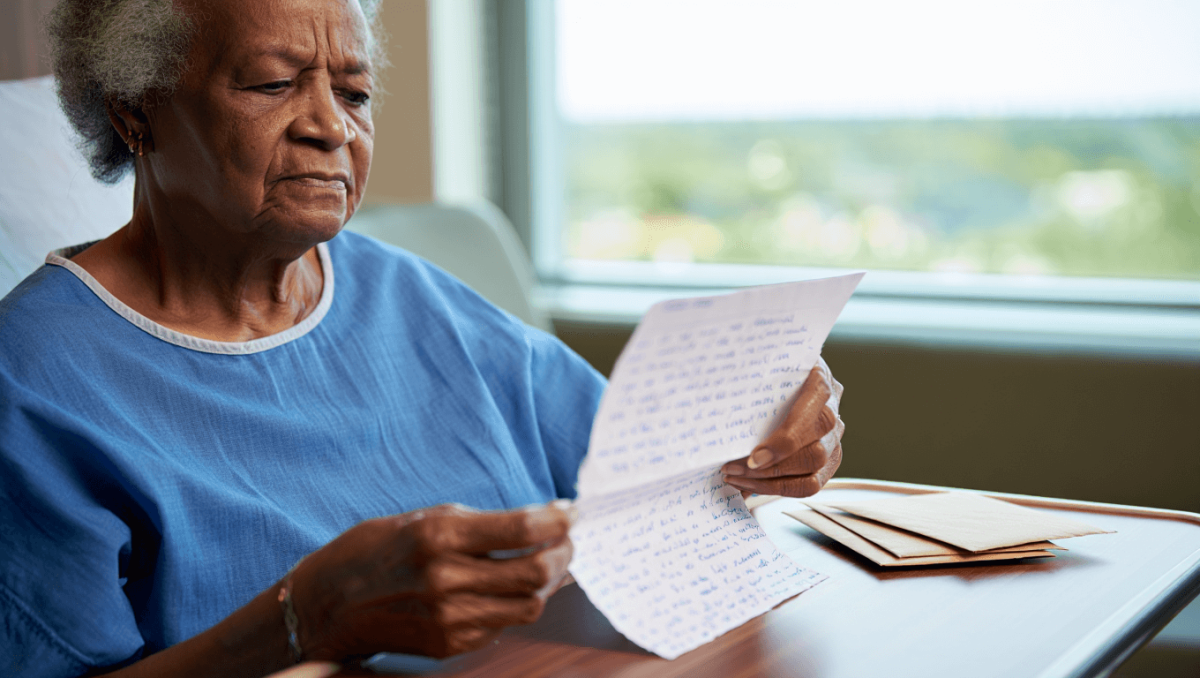
While Barzee was under psychiatric care, she wrote a personal letter to her daughter. That note reached the public eye after the family appeared on television in 2010.
In the message she expressed sorrow, asked for forgiveness and claimed deep love for each child. The wording conveyed regret for a childhood marred by abuse and the losses her children endured.
How the letter came to light
- Rhonda, Barzee’s daughter, kept in contact and visited her at the state hospital.
- The family shared the letter during a high-profile interview on Oprah in 2010.
- The disclosure added a private dimension to an already public crime.
Reactions from the siblings: anger, nausea and distance
The note did not heal old wounds. One daughter described feeling sick at the idea the apology arrived so late in life.
Her response mixed resentment and grief. She said the message did nothing to fill the void of a mother’s love that was never given.
Another sibling spoke about how their mother’s untreated illness affected the whole family. He warned that decades without help left emotional gaps that are hard to bridge.
Personal reckonings: how the children processed trauma
Despite the pain, the siblings say their experiences shaped who they became.
- One daughter said the hardships taught her what not to be as a parent, and made her closer to her own children.
- She also pursued study of mental health to understand and guard against repeating harmful patterns.
- A son described a turning point when he accepted responsibility for his choices and stopped seeing himself only as a victim.
Steps toward healing and self-awareness
Family members spoke of practical and emotional steps that helped them move forward. These included therapy, education and deliberate parenting choices.
They emphasize accountability and learning, rather than simply blaming past circumstances.
What this family story adds to public memory of the case
For the public, Wanda Barzee is often defined by one of the most notorious abductions in recent U.S. history. For her children, the harm began long before that headline.
Their testimony shifts attention from the crime alone to the daily realities inside a troubled household. It underlines that the consequences of abuse and neglect can outlast a single event.
Questions raised by the resurfaced letter
- Can a late apology repair decades of harm?
- How does public attention affect private grief?
- What role does treatment and accountability play in family reconciliation?