Show summary Hide summary
- How Lemon describes the arrest at his Los Angeles hotel
- What authorities allege and the specific counts against him
- His account of reporting at the protest and the line between journalist and protester
- Timeline: from Minnesota protest to courthouse and post-release activities
- Legal team response and Lemon’s commitment to fight the charges
- Details from the Kimmel interview: emotion and resolve
- Reactions from the public and media peers
- Practical issues raised by Lemon’s account of detention
- What to watch next in the legal process
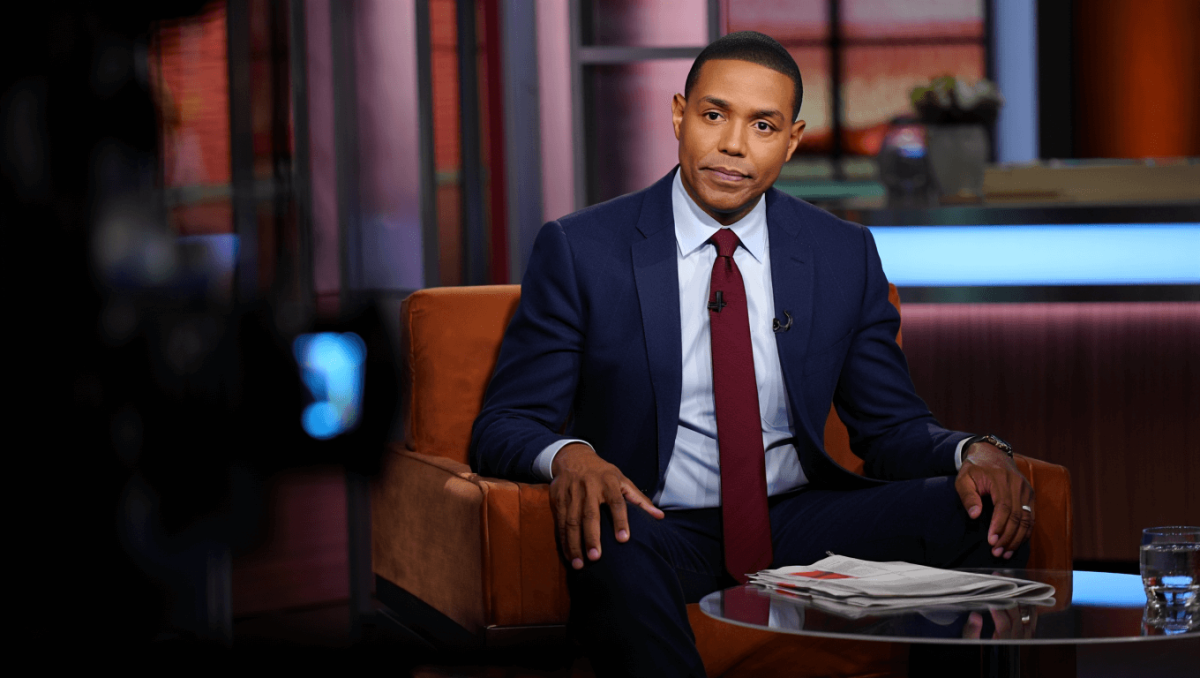
Don Lemon arrived on Jimmy Kimmel Live! days after a surprising federal arrest and used the interview to describe his side of the story. He spoke calmly but firmly about being taken into custody, the charges he faces, and why he says his reporting should be protected under the First Amendment.
How Lemon describes the arrest at his Los Angeles hotel
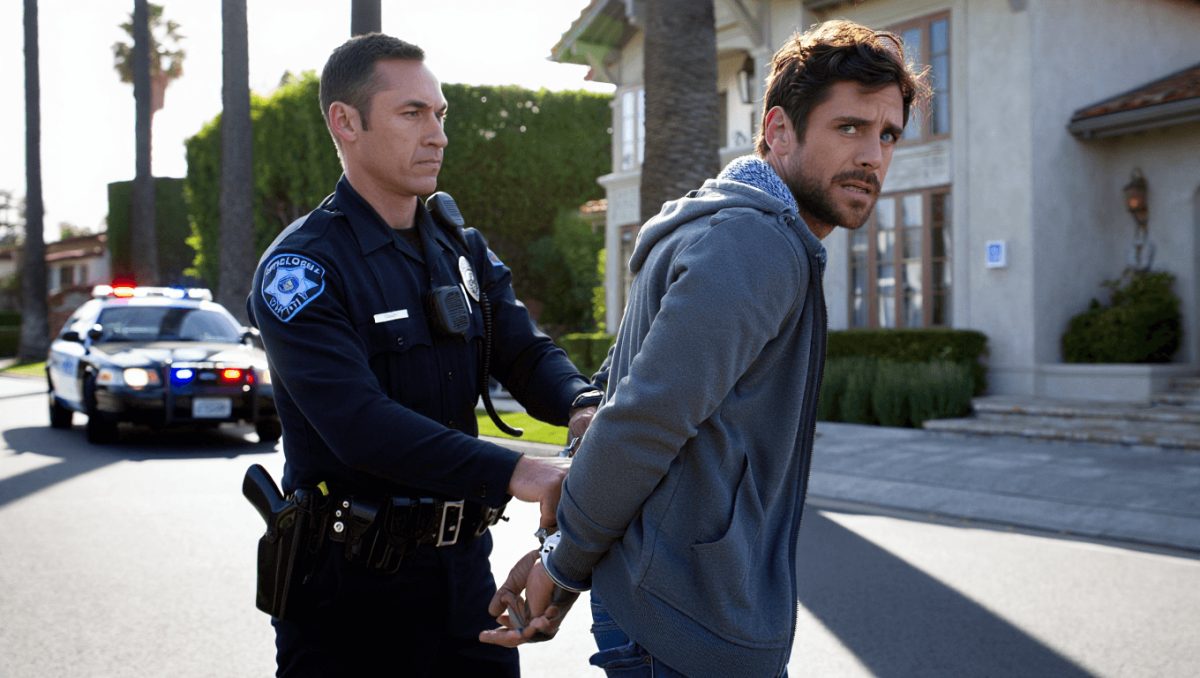
According to Lemon, agents moved quickly when they arrested him at a hotel following the Recording Academy Honors. He said the operation felt aggressive and meant to intimidate.
U.S. embassies warn: 5 new travel alerts after demonstrations spread
Arkansas’ Darius Acuff Jr. earns rare Kyrie Irving comp from Bill Simmons
- Lemon said multiple agents surrounded him.
- He described being grabbed, jostled, and placed in handcuffs.
- He estimated about a dozen officers handled the arrest.
While detained, Lemon says he spent roughly 12 hours in a holding cell. He also claims officials denied him his one permitted phone call. He was, however, able to leave messages using his Apple Watch to reach his lawyer and his husband, Tim Malone.
What authorities allege and the specific counts against him
Federal prosecutors charged Lemon in connection with reporting at an anti-ICE demonstration in St. Paul, Minnesota. The paperwork points to actions during a protest at Cities Church on Jan. 18.
Key allegations listed by federal officials
- Conspiracy to deprive rights under color of law.
- Violation of the FACE Act, which protects free exercise of religious and related rights.
These are federal, criminal charges that carry serious implications. Lemon emphasized their gravity during the TV interview.
His account of reporting at the protest and the line between journalist and protester
Lemon maintained he attended the church demonstration as a reporter, not a participant. He said his goal was to document events and follow a particular group to record what unfolded.
He argued there is a clear distinction between someone protesting and a credentialed journalist doing their job. Lemon added that he has been a working journalist for three decades and that his actions fit within that role.
How Lemon frames journalistic protections
He pointed to the First Amendment as central to his defense. His attorney echoed that view, noting that reporting and holding power to account are constitutionally protected activities.
Timeline: from Minnesota protest to courthouse and post-release activities
The sequence of events spans several weeks and multiple states. Below is a simplified timeline based on Lemon’s statements and public records.
- Jan. 18 — Anti-ICE protest at Cities Church in St. Paul, Minn., where agents say Lemon was involved in obstructive activity.
- Weeks later — Federal investigation culminates in charges being prepared.
- After an event in Los Angeles — Lemon is detained at his hotel and transported to federal custody.
- Following about a day in custody — He is released and appears outside the courthouse to speak to reporters.
- Days later — He attends high-profile industry events, including the Grammys weekend functions, where he received public support.
Legal team response and Lemon’s commitment to fight the charges
Lemon’s lawyer, Abbe Lowell, issued a strong statement promising an aggressive defense. The attorney argued that Lemon’s presence in Minneapolis was standard journalistic work.
Lowell stressed the importance of First Amendment protections for reporters who investigate and document events. The legal team plans to contest the federal accusations in court.
Details from the Kimmel interview: emotion and resolve
On Jimmy Kimmel Live!, Lemon balanced personal emotion with a firm stance. He said the episode had not shattered his spirit, though he called the charges serious.
He suggested the manner of arrest was intended to shame and intimidate. Lemon described the spectacle and the sense of being targeted by federal authorities.
“I will not be silenced,” he told the host, reflecting both personal determination and a broader defense of press freedom.
Reactions from the public and media peers
The arrest sparked debate among journalists, legal experts, and the public. Supporters framed the arrest as troubling for press freedom. Others focused on the legal facts in the charging document.
- Media advocates warn about potential chilling effects on newsgathering.
- Some commentators emphasize the need for courts to weigh evidence and intent.
- Celebrities and colleagues offered visible support at industry events.
Practical issues raised by Lemon’s account of detention
Lemon’s description raised questions about detainee rights and protocols. He said he was denied a standard phone call but used a smartwatch to notify his lawyer and spouse.
Experts note that access to counsel and notification procedures are important parts of custodial safeguards. Those questions could factor into legal arguments going forward.
What to watch next in the legal process
Observers will track several developments closely:
- Formal court filings and any motions from Lemon’s defense team.
- Prosecutors’ presentation of evidence linking Lemon to alleged conspiratorial acts.
- How judges interpret the application of the FACE Act in the context of journalism.
Each step will shape whether these charges move forward or are challenged successfully on constitutional grounds.