Show summary Hide summary
- Scorsese’s memories of working with Catherine O’Hara on After Hours
- The scene that lingered: how one brief role changed the tone
- From SCTV roots to roles that defined a generation
- Why directors loved her: timing, improv, and versatility
- Awards, recognition, and a late-career renaissance
- How peers describe her: laughter, craft, and humanity
- Where to learn more about her life and work
Catherine O’Hara’s sudden death on January 30 at 71 has jolted the film and comedy worlds. Colleagues, fans, and directors alike are recalling a performer whose timing and unpredictability made small scenes unforgettable. Among those mourning is Martin Scorsese, who directed her in the 1985 New York streets dark comedy After Hours.
Scorsese’s memories of working with Catherine O’Hara on After Hours
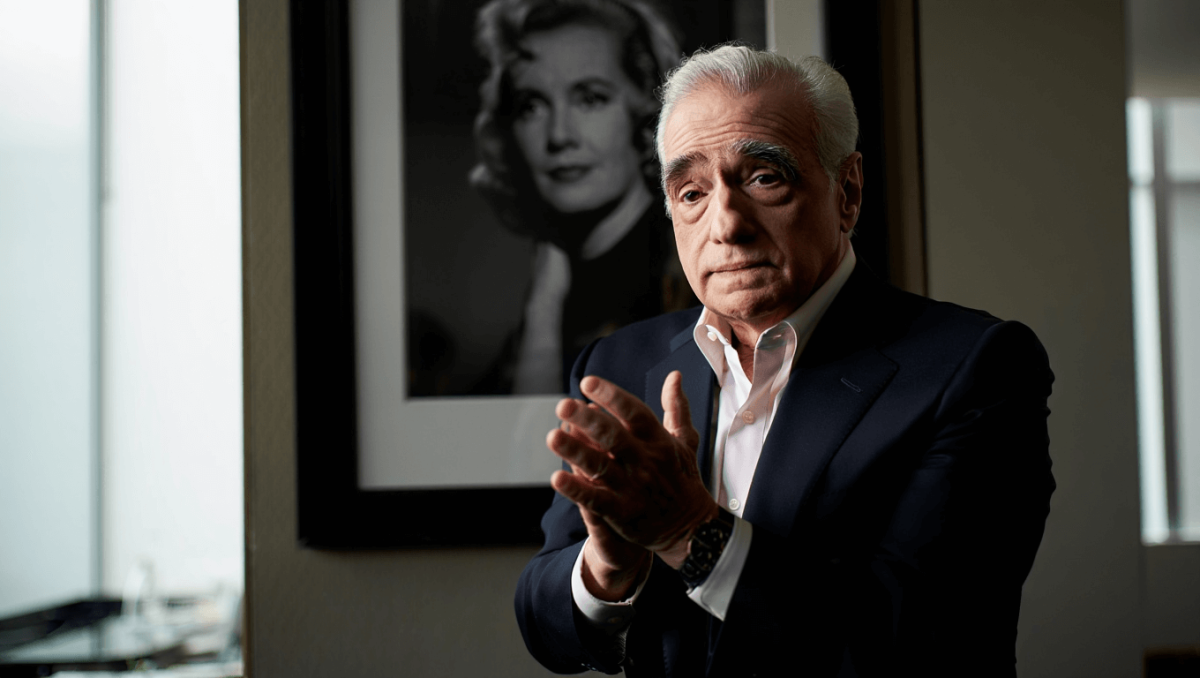
Martin Scorsese, the Oscar-winning director, publicly expressed how deeply O’Hara’s passing landed. He noted the wide reach of her work, from television sketch comedy to beloved film roles. Scorsese praised her comedic gifts and warmth.
United Polaris Studio suites: tickets now on sale for April inaugural flights
Auston Matthews-Radko Gudas controversy: Pierre LeBrun predicts fallout
After Hours brought the two artists together early in her film career. In interviews and statements, Scorsese described her performance as a small but crucial spark in the movie’s nightmarish downtown odyssey.
The scene that lingered: how one brief role changed the tone
O’Hara’s brief appearance in After Hours is often cited as one of the film’s emotional pivots. She plays an offbeat ice cream truck driver who unnerves Griffin Dunne’s character.
- Her costume—a yellow sweater and striking makeup—made the moment visually memorable.
- The exchange she shares with Dunne mixes menace and comic oddity.
- Her lines and body language flip the scene from absurd to unsettling in seconds.
That balance of humor and threat is a hallmark of O’Hara’s screen persona. Even in limited screen time, she could redefine a scene’s energy.
From SCTV roots to roles that defined a generation
O’Hara began on the Canadian sketch show SCTV, where she created a roster of characters. Those early years forged her improvisational instincts.
Her career then moved into iconic film roles that reached broad audiences.
- Home Alone — memorable supporting turns that showcased her comic instincts.
- Beetlejuice — a whimsical collaboration with Tim Burton that emphasized playful oddness.
- Christopher Guest films — a string of ensemble comedies like Best in Show, A Mighty Wind, and For Your Consideration.
- Television acclaim — later recognition for Schitt’s Creek, which introduced her to a new generation.
Why directors loved her: timing, improv, and versatility
Directors from Tim Burton to Christopher Guest found in O’Hara a rare blend of precision and spontaneity. She could follow a script perfectly and then pivot into improvisation that enhanced the scene.
Her work with Guest relied on ensemble chemistry and live-feel moments. That style rewarded actors who could listen and react in the moment. O’Hara excelled at that.
Collaborative traits that set her apart
- Acute comic timing that served both scripted jokes and improvised beats.
- An ability to ground absurd characters with genuine emotional notes.
- Fearlessness in making choices that risked audience discomfort for comic payoff.
Awards, recognition, and a late-career renaissance
O’Hara’s career earned awards and growing appreciation over decades. Her television work culminated in Emmy recognition, while film roles kept her in the conversation among peers.
- Emmy wins and nominations for her television performances.
- Frequent critical praise for ensemble work in comedy films.
- Renewed international fame through Schitt’s Creek, which introduced her to younger viewers.
How peers describe her: laughter, craft, and humanity
Actors and filmmakers have highlighted O’Hara’s combination of artistic rigor and generosity. Many say she brought a joyful curiosity to every set.
Colleagues remember more than punchlines: they recall a collaborator who elevated scenes and nurtured comedic risk. Her presence could transform a small role into a scene people quoted for years.
Where to learn more about her life and work
Obituaries and retrospectives are collecting interviews and archival clips that trace O’Hara’s rise from sketch stages to international recognition. Film scholars and comedy writers are reexamining her most decisive moments.
IndieWire and other outlets have posted extended tributes and career overviews documenting her influence on contemporary comedy and filmmaking.