Show summary Hide summary
- What cardholders should expect from a Barclays Aviator to Citi switch
- Immediate steps to take before the transition
- Deciding whether to keep, downgrade, or close accounts
- How to protect accrued miles and transfer partners
- Evaluating new Citi card features and benefits
- Applying for alternative cards and timing applications
- Retention calls and negotiating with issuers
- Managing credit score impacts and account age
- How to track the migration and official communications
- Adjusting your travel rewards strategy post-migration
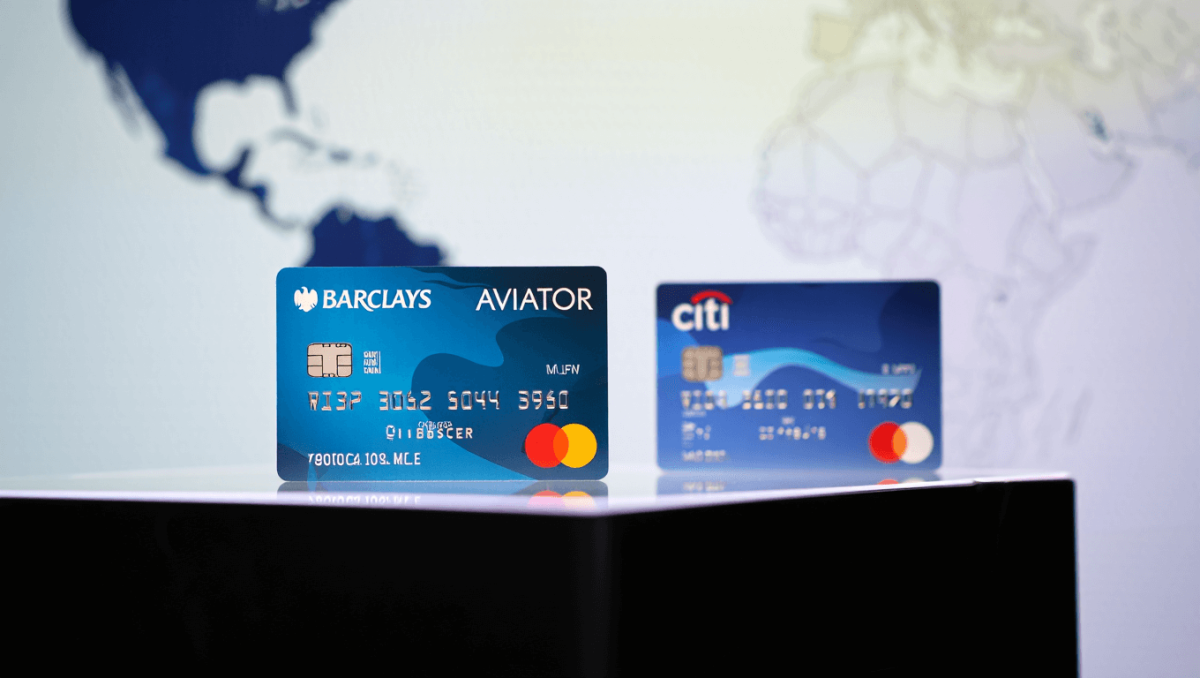
The move of Barclays’ Aviator-branded cards into Citi’s portfolio changes the playing field for cardholders and travelers. With benefits, annual fees, and transfer possibilities shifting, now is the time to evaluate balances, bonuses, and how you use travel rewards.
What cardholders should expect from a Barclays Aviator to Citi switch
When a card moves from one bank to another, expect changes in issuer terms, rewards rules, and benefit structures. Banks often alter welcome bonuses, add or remove perks, and reprice annual fees. Keep an eye on official notices, because the exact timeline and options will come from Barclays and Citi.
Knicks superfan Ben Stiller skips Oscars to watch gritty win over Warriors
U.S. embassies warn: 5 new travel alerts after demonstrations spread
Typical changes to watch for
- New cardmember agreements and APRs under Citi.
- Different bonus categories and earnings rates.
- Altered travel protections and lounge access rules.
- Potential re-evaluation of existing sign-up bonuses.
- Changes to points transfer partners or redemption rates.
Immediate steps to take before the transition
Act now on benefits that might disappear. Use time-limited credits and statement credits. Move any flights or reservations that rely on the current card’s insurance. Document your benefits through screenshots and saved PDFs.
- Redeem or transfer points if you prefer the current transfer partners.
- Maximize any statement credits tied to annual renewals.
- Use travel protections tied to the card for upcoming trips.
- Save copies of the current terms and benefits page for future disputes.
Deciding whether to keep, downgrade, or close accounts
Each option has trade-offs. Keeping the card might preserve account age and credit history. Downgrading can avoid annual fees. Closing may free you from fees but can cost credit score history. Balance your goals for rewards against credit impacts.
- Keep: If the Citi version offers equal or better value, keep the account for history and credit utilization benefits.
- Downgrade: Choose a no-fee product if the new card’s fees rise.
- Close: Consider only if fees or degraded rewards make the card worthless.
How to protect accrued miles and transfer partners
Points often survive issuer changes, but transfer partners can change. If your rewards connect to airline partners you value, consider transferring miles to those partners now. That avoids the risk of partner removal after the migration.
- Check transfer ratios and minimums before moving points.
- Prioritize transfers to airlines or hotel programs with immediate redemptions.
- Flag any pending travel bookings paid with miles and confirm protections.
Evaluating new Citi card features and benefits
Citi’s product mix may add perks or subtract them. Look for category bonuses, transfer partners, lounge access, and travel protections. Compare the Citi version closely to the old card to calculate break-even points for the annual fee.
Key comparison points
- Rewards rate in travel, dining, and general spend.
- Access to transfer partners like airlines or hotels.
- Annual fee vs. statement credits and perks.
- Foreign transaction fees and authorized user costs.
Applying for alternative cards and timing applications
If Citi’s new offering doesn’t meet your needs, explore other cards now. Card issuers may limit bonuses if you hold similar accounts. Timing matters for welcome bonuses and approvals.
- Evaluate competitors from Chase, Amex, and Capital One.
- Space out applications to limit hard inquiry impact.
- Consider targeted retention offers before switching to a new bank.
Retention calls and negotiating with issuers
When banks migrate products, they sometimes offer retention bonuses. If Citi’s new terms are worse, calling customer service can yield credits, upgraded benefits, or downgrade options. Keep the conversation focused and polite.
- Ask specifically about retention offers and product transfers.
- Be ready to mention competing cards and your usage history.
- Document the offer and any promised changes in writing.
Managing credit score impacts and account age
Account transfers usually preserve account age, but closures do not. If you need to keep your credit history intact, prefer product changes and downgrades over account closures. Monitor your utilization to prevent score drops.
- Keep utilization low across all cards.
- Consider keeping one card open to preserve average age.
- Check your credit report after any product migration.
How to track the migration and official communications
Stay informed by watching emails, mailed statements, and issuer websites. Cardholder portals may host migration FAQs. Join community forums for early reports, but confirm with bank statements.
- Subscribe to Barclays and Citi email alerts.
- Check the card’s online terms for scheduled changes.
- Follow travel rewards blogs and forums for practical tips.
Adjusting your travel rewards strategy post-migration
The switch is a chance to rebalance your wallet. If Citi’s partners or benefits align better with your travel habits, consolidate spend. If they don’t, diversify across issuers to protect flexibility.
- Choose cards by where you actually travel and redeem.
- Use bonus categories strategically to hit minimum spends.
- Keep a no-fee card as a fallback for foreign transactions.