Show summary Hide summary
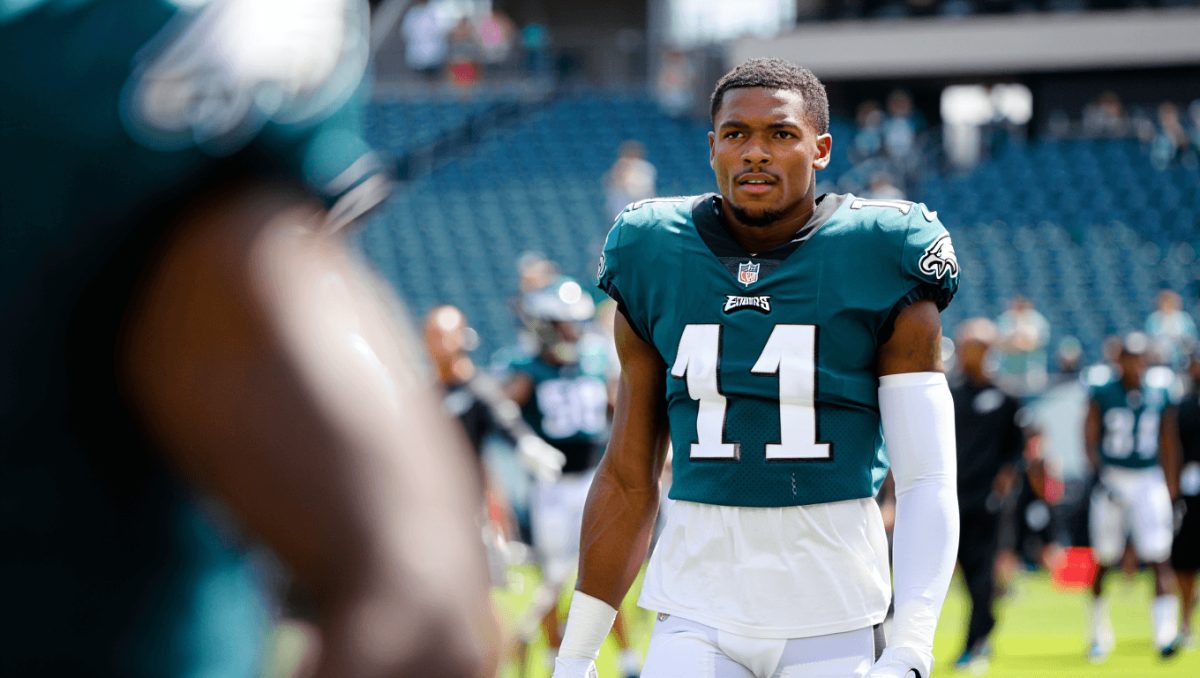
In a dramatic finish to the 2025 NFL season, veteran quarterback Matthew Stafford narrowly edged rookie Drake Maye to claim the 2026 NFL MVP award. The race captured headlines all week, as voters weighed eye-popping statistics against cutting-edge analytics. Fans and analysts debated until the final ballots were tallied.
Stafford earns his first MVP at 37
At 37 years old, Matthew Stafford collected the league’s highest individual honor for the first time in his career. The award adds a new chapter to a résumé that already includes a Super Bowl title from the 2021 season.
Nickelodeon star arrested after alleged Malibu burglary
Euphoria season 3: Sydney Sweeney left off set as feud with Zendaya intensifies
Stafford’s season combined high-volume production with big-play moments. Those traditional numbers appealed to many voters who favored proven performance in critical moments.
Maye’s analytics-driven surge and rookie impact
Drake Maye pushed the veteran to the wire. As a rookie, he produced advanced metrics that impressed analysts across the sport. Maye’s efficiency numbers and situational performance made him a favorite among voters focused on modern evaluation methods.
Maye led his team to deep playoff contention and showed long-term upside, creating a lively argument that he might be the NFL’s next superstar.
Final vote totals and what they mean for the MVP race
The official tabulation was razor-thin. The top vote-getters were:
- Matthew Stafford: 366 points, 24 first-place votes
- Drake Maye: 361 points, 23 first-place votes
- Josh Allen: 91 points, 2 first-place votes
- Christian McCaffrey: 71 points, 0 first-place votes
- Trevor Lawrence: 49 points, 0 first-place votes
One first-place ballot also went to Los Angeles Chargers quarterback Justin Herbert.
How the NFL’s revised ballot scoring shaped the outcome
Since 2022, each voter ranks five players from first to fifth. Points are assigned as follows:
- 1st place — 10 points
- 2nd place — 5 points
- 3rd place — 3 points
- 4th place — 2 points
- 5th place — 1 point
Because of this math, the margin between Stafford and Maye came down to a single high-place ballot. In raw points the difference was five, which amounts to one first-place selection or the equivalent in lower placings.
Key ballots and the decisive swing
Two unusual ballots influenced the final tally. Josh Allen received two first-place votes despite finishing third overall. Meanwhile, Justin Herbert captured one unexpected first-place selection even though he did not finish among the finalists. That solitary Herbert vote became an outlier with outsized impact.
The distribution of second and third-place picks also mattered. Maye fell one first-place vote short, and that tiny shortfall ultimately decided the race.
Historic context: the tightest MVP races
This was the narrowest MVP decision since the 2003 season, when Peyton Manning and Steve McNair ended in a tie. Close finishes are rare, and this one will be studied for how modern analytics and traditional stats split voters’ opinions.
The debate over metrics versus experience will continue to shape award conversations going forward.