Show summary Hide summary
- Why she chose to go back after the documentary
- Tracing the path to the campsite: the hike and the footage
- What Elizabeth reveals on camera about the abuse and rescue
- Physical traces and what remains at the site
- Watch the full retrace: Elizabeth Smart’s filmed hike
- Where the accused stands now in the legal system
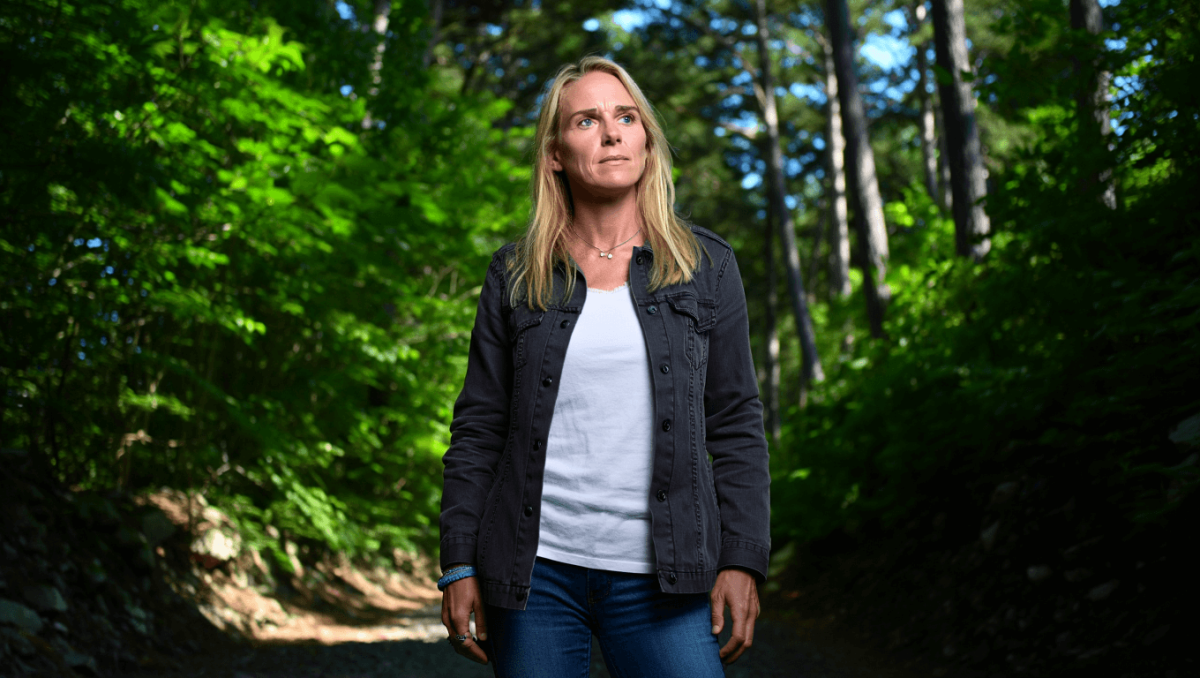
After a new Netflix documentary revived public attention to her abduction, Elizabeth Smart made a deliberate return to the remote woods where she was held as a teenager. She hiked the same trail, spoke about the ordeal on camera and uploaded the walk to YouTube to confront the past and explain her survival.
Why she chose to go back after the documentary
The documentary’s release reopened conversations about one of the most notorious abduction cases in recent U.S. history. Elizabeth said the timing felt right to revisit the physical place where her nine-month captivity began. The trip was framed as an act of reclaiming her story.
Christina Haack stuns in cream crochet bikini: responds to fourth engagement rumors
Knicks superfan Ben Stiller skips Oscars to watch gritty win over Warriors
She described the journey as part personal reckoning, part public testimony. Returning to the site allowed her to show viewers the terrain and the conditions she endured.
Tracing the path to the campsite: the hike and the footage
Elizabeth walked the same route she was forced along as a 14-year-old. The footage shows the track into thick brush and the cleared area where the makeshift camp once stood.
- She retraced the steps to a dugout and pointed out remaining cut logs.
- The FBI had removed some evidence, but remnants like tarpaulin were still visible.
- Her brother joined the hike and added context about the night she disappeared.
In the video she explains why she could not simply run back home when she had the chance. She speaks about fear, manipulation and the constraints that kept her captive.
What Elizabeth reveals on camera about the abuse and rescue
On the trail, she revisits the memory of the threats that led to her abduction, and the repeated assaults she suffered while in captivity. Rather than relitigating every detail, the film focuses on survival, healing and how she has rebuilt her life.
She identifies the place she calls the origin of her nightmares and recounts how the camp was arranged and guarded. Her brother offers perspective on the family’s experience during the search and rescue effort.
Physical traces and what remains at the site
Elizabeth points out where the dugout once was and where cut logs marked the camp’s perimeter. Investigators removed much of the improvised shelter, but signs of the former encampment lingered.
- Black tarpaulin fragments remained on the ground.
- Some cut wood and disturbed earth showed the footprint of the camp.
- The video includes reconstructions to help viewers picture the living space she endured.
She identifies the exact spot where she was held and calls finding it a painful but necessary part of her recovery.
Watch the full retrace: Elizabeth Smart’s filmed hike
The uploaded video walks viewers step by step through the terrain and includes on-camera reflections by Elizabeth and family commentary. It’s meant to both document the location and to open a conversation about survival and recovery.
Where the accused stands now in the legal system
Brian David Mitchell, the man who abducted Elizabeth, is serving life in prison. He is not eligible for parole. The case remained in the public eye during his trial and sentencing, and the documentary revisited those events while centering Elizabeth’s perspective.