Show summary Hide summary
- On-camera account from Lancaster: what she revealed
- Timeline of substance use and health impacts
- Assault, fear and life on the streets
- Personal documents, communication and survival needs
- Work history, relationships and family ties
- Childhood instability and its aftermath
- Pathways to help and realistic next steps
- Public profile and media outreach
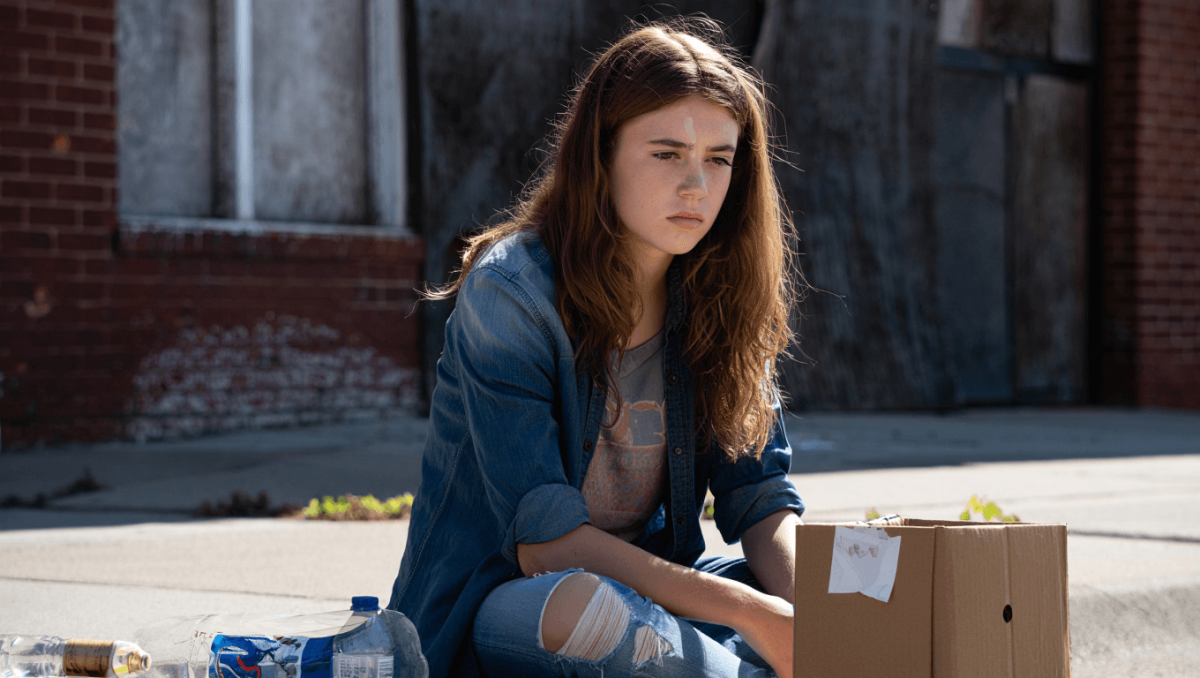
Alexa Curtin, the youngest daughter of former Real Housewives of Orange County star Lynne Curtin, says she is living on the streets, battling addiction and trying to piece her life back together. In a candid encounter filmed at a Lancaster gas station, she described years of drug use, violent incidents and family estrangement that have left her without basic documents or a safe place to stay.
On-camera account from Lancaster: what she revealed
During a spontaneous interview for a Los Angeles street-style YouTube channel, Alexa spoke openly about the decline in her life after moving to the Antelope Valley. She said the neighborhood felt unsafe and that she hoped to return to Orange County one day.
Knicks superfan Ben Stiller skips Oscars to watch gritty win over Warriors
U.S. embassies warn: 5 new travel alerts after demonstrations spread
Her story was raw and immediate: she appeared disheveled in the footage and admitted long-term substance use. She told the interviewer that interactions with the wrong crowd led her deeper into drugs and instability.
Timeline of substance use and health impacts
Alexa traced her drug history from early heroin use to years of fentanyl. She described how acquaintances introduced her to more potent substances, which accelerated the harm:
- Started with heroin, then transitioned to fentanyl after meeting new people.
- Used stimulants at times, mentioning “speed” during parts of her decline.
- Reported a significant reduction in daily use recently, though not full abstinence.
She also linked her substance use to severe physical consequences. Alexa said a car crash tied to her addiction led to the loss of two fingers. She called that outcome “sucks,” adding it was one of several turning points in her life.
Assault, fear and life on the streets
Alexa described frightening episodes while living outdoors. She recounted being attacked and sexually assaulted by a man who restrained her. According to her account, the violence lasted hours, and the attacker threatened her life before eventually leaving her.
She emphasized how dangerous street life felt, warning others that assault and exploitation are common in areas like Lancaster. Alexa told the interviewer she often heard about assaults against women and felt she had to stay alert to survive.
Personal documents, communication and survival needs
At the time of the interview, Alexa said she had no phone and no identification documents. She explained she lacked a Social Security card and state ID, which created a barrier to housing, employment and access to services.
Her immediate priorities included:
- Getting money to buy a phone.
- Replacing ID and Social Security documents.
- Finding stable housing and medical help for addiction.
She told the interviewer she was “starting from the ground up” and acknowledged that rebuilding would be difficult but that she was trying.
Work history, relationships and family ties
Alexa said she had worked in several jobs over the years, including hospitality. She also mentioned a period of time in adult entertainment while living in Los Angeles, and later cosmetic procedures that briefly improved her financial outlook.
She has a past criminal record tied to drug charges and has been in and out of jail. In 2019, she filed for divorce from Michael DeVecchio. Her mother, Lynne Curtin, previously split from her husband Frank Curtin amid public attention.
Alexa admitted she is currently cut off from her parents, who live in San Diego. She suggested reconciliation might depend on getting sober and demonstrating stability. Family contact is not closed, but support is conditional, she said.
Childhood instability and its aftermath
Reflecting on her upbringing, Alexa described frequent moves and shifting schools. She said the instability hindered her ability to build long-term relationships and steady opportunities.
What she wishes she could tell her younger self
Alexa urged young people to stay connected to friends and family and to avoid isolation. She warned that withdrawing can lead to depression, poor choices and harmful friendships that increase the risk of addiction.
Pathways to help and realistic next steps
Alexa touched on recovery but did not describe formal treatment at the time of the interview. She expressed a desire to get sober and to reconnect with relatives if she can sustain change.
- Replace lost documents through social services and local clinics.
- Seek harm-reduction resources in Lancaster and nearby counties.
- Engage with addiction treatment programs and shelters that aid women.
Access to a phone and ID were immediate hurdles she said, and without them, obtaining treatment and housing becomes far harder.
Public profile and media outreach
Alexa is the daughter of Lynne Curtin, who appeared on Bravo’s Real Housewives of Orange County across multiple seasons. Lynne and her family have had public visibility for years due to the franchise.
Media outlets reached out to Lynne for comment about Alexa’s situation. At the time of publication, no detailed response was available from family representatives.