Show summary Hide summary
- Why Psaki singled out JD Vance over Trump
- What Vance represents to critics and supporters
- How Vance differs from Trump in practice
- Potential consequences for policy and governance
- How Democrats and Republicans are reacting
- Context from Psaki’s perspective and media response
- Questions voters and observers should consider
Jen Psaki recently stirred the political conversation by saying she finds Ohio Senator JD Vance “scarier” than Donald Trump. Her comments focus less on personality and more on what she sees as a dangerous mix of ideological certainty and political power. That contrast has reignited debate about which leaders pose the greatest risk to democratic norms and policy stability.
Why Psaki singled out JD Vance over Trump
Psaki framed her concern around two core ideas: consistency and proximity to power. Where Trump is unpredictable and driven by performance, she argued, Vance embodies a steady, disciplined version of the same movement.
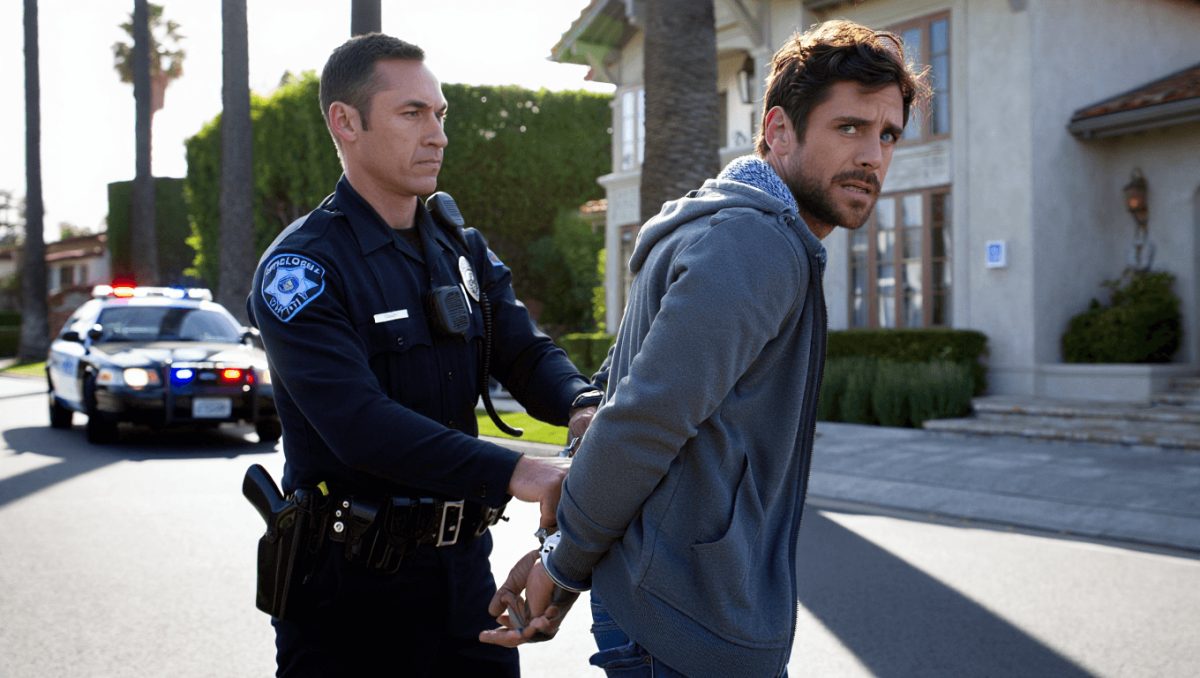
Nickelodeon star arrested after alleged Malibu burglary
Euphoria season 3: Sydney Sweeney left off set as feud with Zendaya intensifies
- Ideological alignment: Vance is viewed as fully committed to the hardline agenda that defined the MAGA era.
- Institutional access: As an elected senator, Vance can shape legislation, committee work, and confirmations.
- Less performative, more functional: Psaki suggested durability makes policy outcomes likelier under leaders who are not only loud, but effective.
What Vance represents to critics and supporters
JD Vance rose to national fame as the author of a best-selling memoir and later as a vocal Republican from Ohio. His supporters praise him as a fresh conservative voice. His critics warn his brand of populism could translate into lasting institutional change.
Policy stances and public persona
Vance blends cultural conservatism with a populist critique of elites. He has backed judicial picks favored by conservatives. He often emphasizes national security, economic nationalism, and skepticism of certain global trade patterns.
Why some find him reassuring
- Disciplined messaging and clear priorities.
- Willingness to work within party structures.
- Ability to translate rhetoric into concrete proposals.
How Vance differs from Trump in practice
Comparisons usually hinge on style versus function. Trump governed as an outsider who disrupted norms. Vance, by contrast, fits the mold of a legislator who can use established levers of power.
- Trump: Unpredictable, confrontational, reliant on broad personal loyalty.
- Vance: Quietly aligned with a movement, focused on policy levers like courts and oversight.
This distinction matters because governing institutions respond differently to a disruptor than to a steady ideologue.
Potential consequences for policy and governance
If Psaki’s warning is right, the worry is practical. A committed ideologue in key roles can reshape law and policy long term.
- More conservative judicial appointments.
- Sharper oversight of federal agencies.
- Legislation reflecting economic nationalism.
Those shifts could endure beyond any single administration. That permanence is central to the concern she expressed.
How Democrats and Republicans are reacting
Democrats seized on Psaki’s comments to highlight the stakes of upcoming elections. They use the comparison to argue for vigilance at the ballot box.
Republicans counter that the contrast is overblown. They emphasize electoral mandates and argue voters want change in governance and priorities.
Context from Psaki’s perspective and media response
Psaki, known for her time as White House press secretary, speaks from a media-savvy vantage point. Her remarks tapped into broader anxieties about who shapes conservative policy after Trump’s presidency.
- Media outlets dissected the claim and explored its implications.
- Political operatives weighed whether the comparison helps or hurts their messaging.
Questions voters and observers should consider
The debate raises practical questions for citizens deciding how to weigh leadership traits against policy impacts.
- Do you fear instability or long-term ideological shifts more?
- Which institutions matter most when judging a leader’s potential impact?
- How do personal style and governing competence interact?