Show summary Hide summary
- What the post showed and how people first saw it
- Immediate online reaction: memes, outrage, and mockery
- Why the design touched a nerve: cultural context and appropriation concerns
- How the image intersects with political image-making
- Voices responding from media, artists, and the public
- What to watch next as the story develops
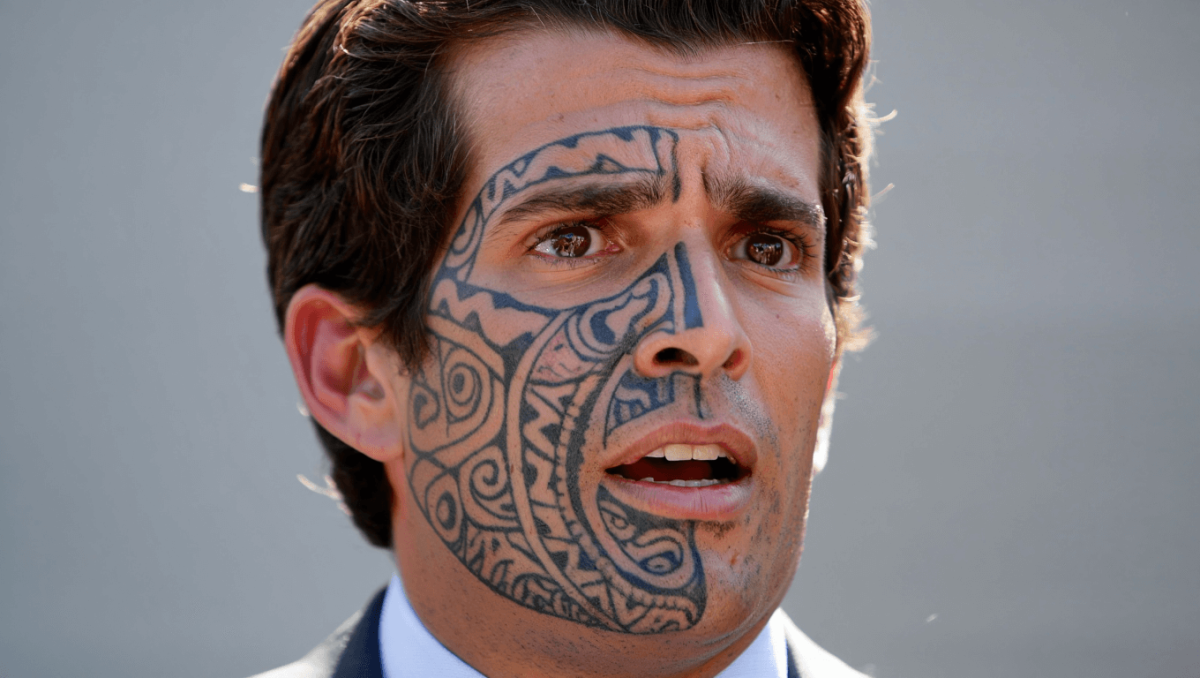
A striking image of Robert F. Kennedy Jr. surfaced online in which he appears to bear a facial tattoo reminiscent of Mike Tyson’s Māori-inspired design, and the post ignited a storm of reactions across social media and opinion pages.
What the post showed and how people first saw it
The shared image depicted RFK Jr. with a bold, curved facial pattern along his cheek and temple. It circulated quickly on social platforms and was met with rapid sharing and commentary.
Euphoria season 3: Sydney Sweeney left off set as feud with Zendaya intensifies
Serena Williams GLP-1 ad sparks backlash: weight-loss commercial called irresponsible and dystopian
Users debated whether the photo was a joke, a deepfake, or an intentional publicity move. Some accounts treated it as satire. Others said it was a direct attempt to borrow the shock value of Tyson’s look.
Immediate online reaction: memes, outrage, and mockery
- Many users responded with humor, creating memes and image edits.
- Others expressed confusion or dismay, wondering why a political figure would adopt that imagery.
- Some critics interpreted the image as a ploy for attention amid an already noisy media cycle.
Political commentators and casual observers alike compared the visual to stunt-driven politics. The mix of laughs and backlash amplified the post’s reach within hours.
Why the design touched a nerve: cultural context and appropriation concerns
Mike Tyson’s facial mark is often described as Māori-inspired, borrowing elements of indigenous Polynesian patterns. Those designs carry deep cultural and spiritual meaning for Māori people.
When public figures adopt such imagery in a playful or promotional way, critics say it can read as cultural appropriation rather than cultural appreciation.
- Traditional moko represent identity, lineage, and status.
- Using these motifs outside their cultural context can feel disrespectful.
- Artists and indigenous advocates often ask for consultation and consent.
For many, the issue is not simply aesthetic but ethical.
How the image intersects with political image-making
Visual moments matter for anyone in the public eye. A single photo can reshape narratives about soundness, seriousness, and relatability.
For RFK Jr., the image opened questions about strategic intent. Was it an attempt to appear edgy? To provoke conversation? Or an accidental misstep?
- Short-term: increased attention and social buzz.
- Medium-term: press coverage framing around judgment and taste.
- Long-term: a potential talking point in debates about authenticity and judgment.
Voices responding from media, artists, and the public
Journalists noted the post’s viral dynamics. Cultural commentators flagged the broader trend of borrowing indigenous aesthetics without context.
Designers and tattoo artists weighed in on craftsmanship versus appropriation, reminding audiences that tattoos carry histories and meanings.
Across platforms, the discussion quickly moved beyond one image to larger questions of respect, representation, and political theater.
What to watch next as the story develops
- Whether RFK Jr. or his team clarifies the image’s intent.
- How traditional Māori organizations or artists respond publicly.
- Whether the episode becomes a recurring talking point in media coverage.
As the photo continues to circulate, expect continued debate over cultural sensitivity and the role of provocative imagery in modern politics.