Show summary Hide summary
- What derailed the purchase: league rules vs. personal brands
- How big was the offer and what it would have meant
- Woodson’s alcohol ventures and why he kept them
- Local roots and football pedigree that made the move sensible
- Club response and the public record
- What this means for athlete-entrepreneurs and NFL ownership
- Related NFL developments to watch
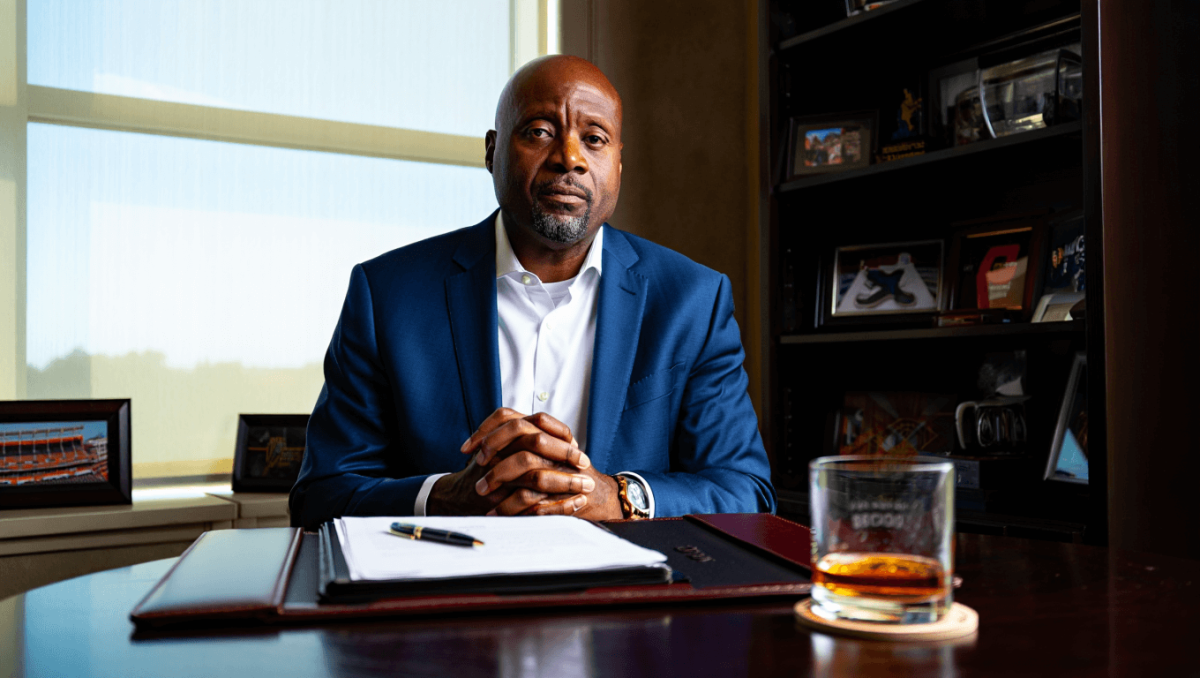
Charles Woodson came close to becoming a minority owner of the Cleveland Browns, but a clash between NFL rules and his business identity stopped the deal. Woodson, a Hall of Famer and Bay Area legend, chose to keep his alcohol brands rather than remove his name to satisfy league ownership policies.
What derailed the purchase: league rules vs. personal brands
The NFL requires prospective owners to avoid commercial conflicts. That includes removing personal names from alcohol labels when seeking a club stake.
Christina Haack stuns in cream crochet bikini: responds to fourth engagement rumors
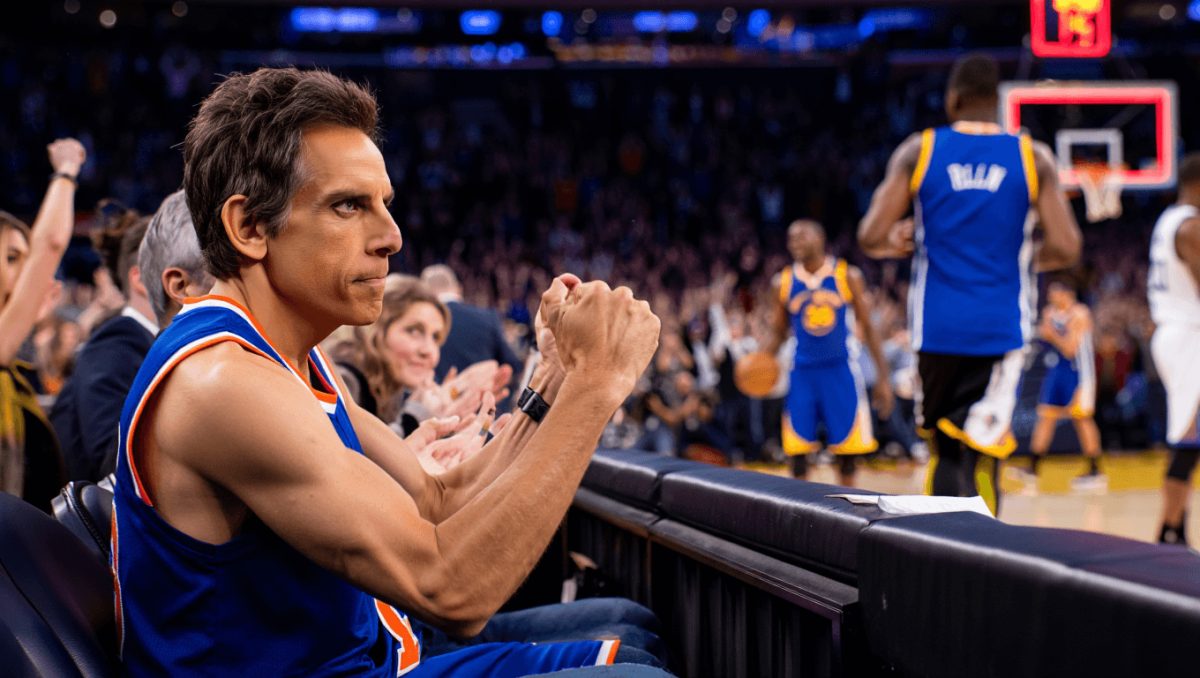
Knicks superfan Ben Stiller skips Oscars to watch gritty win over Warriors
Woodson refused to strip his name from two products he helped launch. The league would not approve the sale while the brands carried his identity.
As a result, the ownership transfer did not clear NFL approval. The impasse revolved around branding, not money or local ties.
How big was the offer and what it would have meant
Small slice, symbolic impact
The planned purchase was for about a 0.1% share of the Browns. That stake was valued at roughly $4 million.
Financially modest, the ownership piece carried symbolic weight. Woodson is an Ohio native and his involvement would have been a goodwill gesture.
Woodson’s alcohol ventures and why he kept them
Woodson’s products include Intercept Wines and Woodson Whiskey. He launched both brands in 2019.
He told Front Office Sports that the brands are core to his identity and business start. Woodson said removing his name would erase what made the product special.
He chose to prioritize the companies he built over the ownership slot with the Browns.
Local roots and football pedigree that made the move sensible
Born in Fremont, Ohio, Woodson has long ties to the Cleveland region. That geography made the Browns a natural fit.
He attended the University of Michigan and won the Heisman Trophy. His NFL résumé includes a Super Bowl victory and induction into the Pro Football Hall of Fame.
Club response and the public record
The Browns expressed respect for Woodson’s choice and wished him well, according to reporting. Team officials did not signal further negotiation.
Front Office Sports first reported the story and relayed Woodson’s comments about the deal falling apart over his product naming.
What this means for athlete-entrepreneurs and NFL ownership
- Athletes who build consumer brands must weigh naming and equity decisions against league vetting rules.
- NFL ownership vetting often prioritizes conflict avoidance over personal branding rights.
- Minority stakes can be symbolically valuable, but they carry compliance hurdles.
Related NFL developments to watch
- Running back contract structures that affect rookies and veterans.
- Salary-cap pivots influencing Detroit’s roster strategy.
- Quiet free-agent moves that are reshaping kicking options around the league.
- High-end watches and lifestyle signals from star veterans.
- Rising wide receivers making playoff pushes for their teams.
- Top players responding to trade speculation and franchise rumors.