Show summary Hide summary
- What Megyn Kelly Said and how it spread
- Immediate public reaction: social media and celebrity responses
- Why this moment matters for representation and music
- Media framing and the headlines that followed
- Ratings, streaming spikes, and commercial impact
- How commentators and cultural critics interpret the clash
- Takeaways for future halftime shows and celebrity commentary
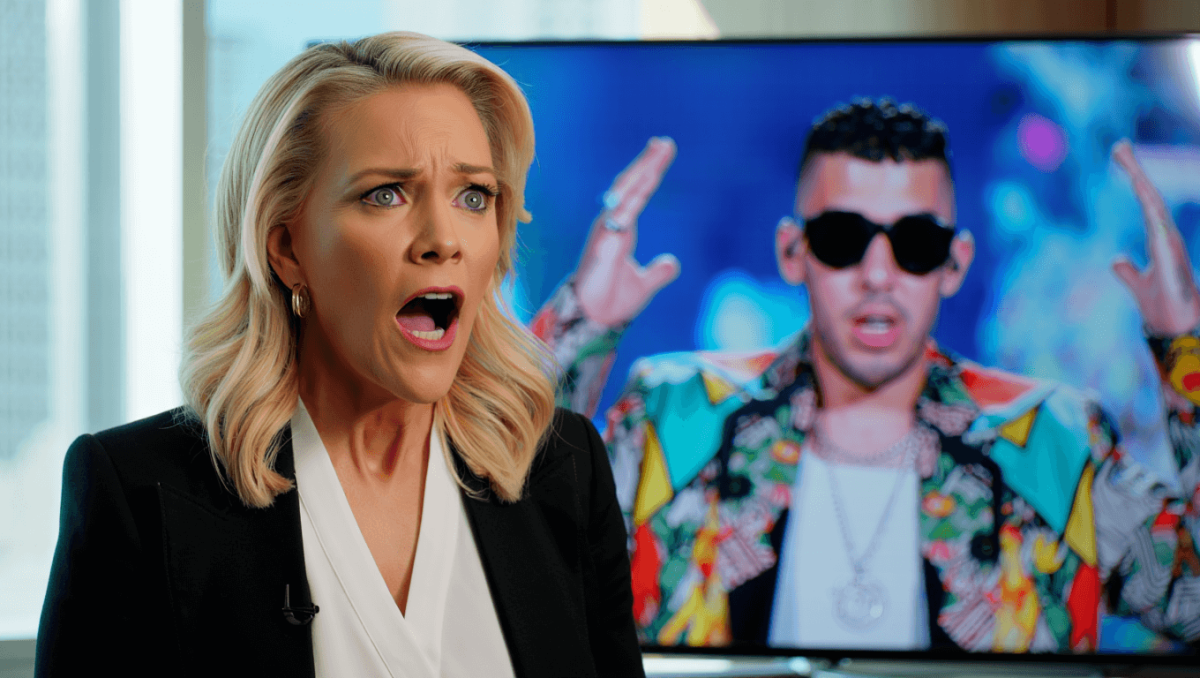
Megyn Kelly’s sharp critique of Bad Bunny’s recent Super Bowl halftime performance ignited a fresh round of public debate about music, culture, and the boundaries of celebrity commentary. Her remarks touched off a cascade of responses online, from heated defenses to nuanced takes on representation and art on a national stage. Below, we trace the fallout, unpack the arguments, and look at what this moment means for the halftime show conversation.
What Megyn Kelly Said and how it spread
Kelly used her platform to question elements of the show and its presentation. Her comments circulated rapidly across social media and news outlets.
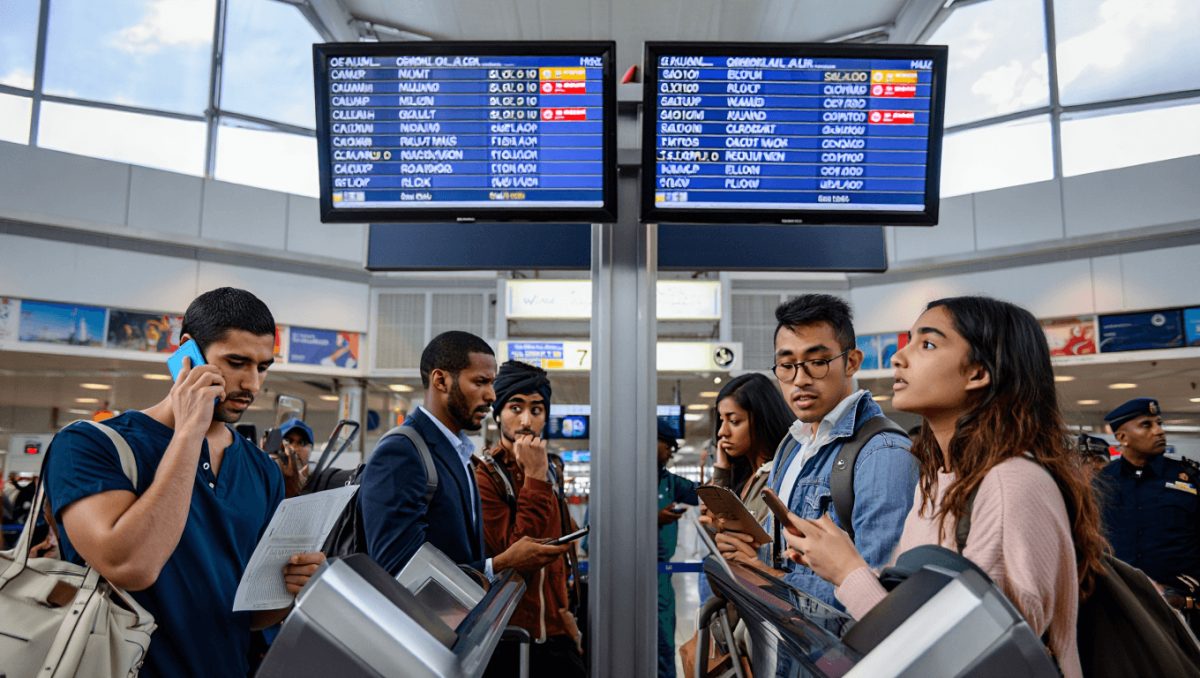
U.S. embassies warn: 5 new travel alerts after demonstrations spread
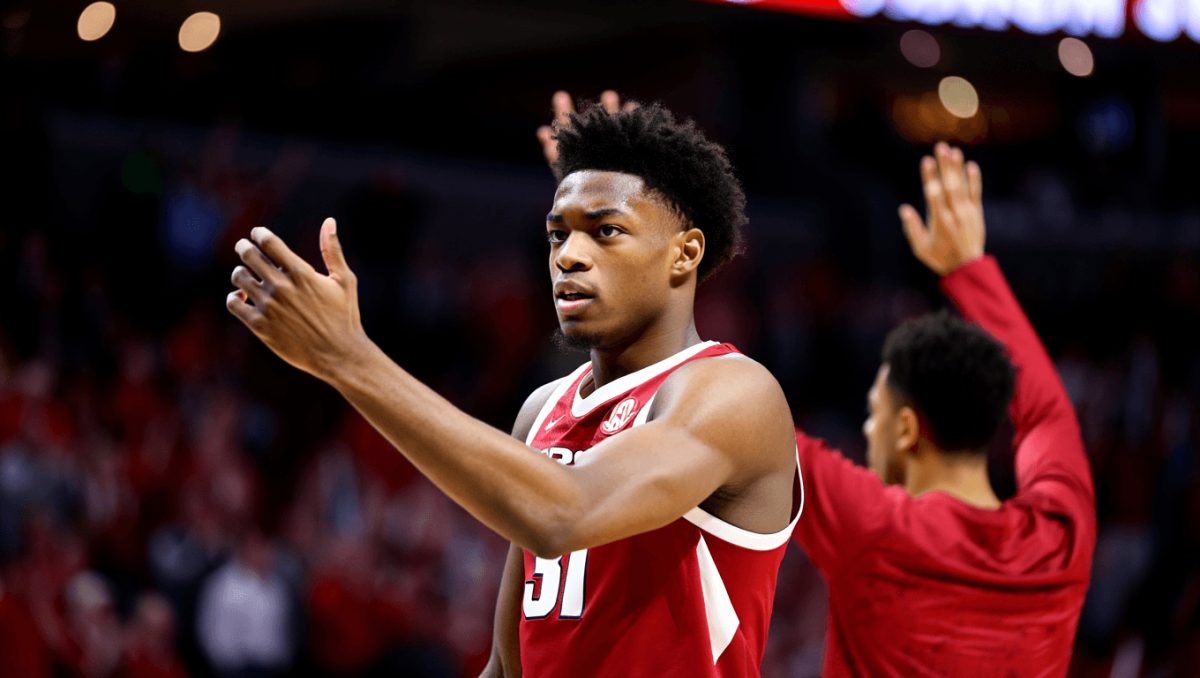
Arkansas’ Darius Acuff Jr. earns rare Kyrie Irving comp from Bill Simmons
- Platforms: Her critique appeared on television segments and social channels.
- Key focus: She highlighted visual and lyrical choices she found controversial.
- Amplification: Clips of her commentary were shared widely, increasing exposure.
Immediate public reaction: social media and celebrity responses
The reaction was immediate and loud. Fans, music industry figures, and fellow commentators weighed in within hours.
Support and agreement
- Some viewers agreed with Kelly, citing taste or tradition as concerns.
- Older demographics tended to echo complaints about staging and spectacle.
Pushback and defense
- Many defended Bad Bunny as a major voice in Latin music.
- Cultural commentators framed the backlash as resistance to Latin artists on big stages.
- Musicians and fans highlighted the show’s energetic production and diverse appeal.
Why this moment matters for representation and music
Bad Bunny’s performance is part of a larger trend of Latin artists headlining mainstream U.S. events.
- Visibility: High-profile slots bring broader audiences to Latin music.
- Artistic choices: Costumes, choreography, and bilingual lyrics test audience expectations.
- Backlash pattern: New cultural visibility often prompts debate on taste and identity.
Media framing and the headlines that followed
Newsrooms reacted differently depending on audience and editorial stance.
- Some outlets framed Kelly’s comments as a conservative critique of pop culture.
- Others focused on the cultural conversation about inclusion and representation.
- Fact-checking and context pieces appeared to explain the show’s creative choices.
Ratings, streaming spikes, and commercial impact
Controversy often boosts attention. The halftime set saw strong streaming and search interest after the broadcast.
- Search traffic: Queries about the artist and songs surged.
- Streaming: Platforms reported increased plays for the performer.
- Ad value: Brands monitor such moments for visibility and risk.
How commentators and cultural critics interpret the clash
Experts break the debate into several threads: artistic freedom, platform responsibility, and evolving audience norms.
- Some argue live events should reflect diverse tastes.
- Others stress that critics should account for cultural context.
- Many see the episode as part of a broader conversation about who gets to define mainstream culture.
Takeaways for future halftime shows and celebrity commentary
Producers and artists take note when a performance triggers national debate. Networks and talent consider both creative risks and audience response.
- Future shows may balance innovation with broader audience expectations.
- Celebrities may face quicker and louder feedback for public critiques.
- Brands and broadcasters will continue to weigh cultural signals when planning events.