Show summary Hide summary
- How Suárez changes Cincinnati’s middle of the order
- Offseason additions and departures reshaping the lineup
- Why a left-handed power outfielder would complete the Reds’ attack
- Wilyer Abreu as a realistic target for Cincinnati
- How a three-team trade could make an Abreu deal possible
- Protecting the rotation while upgrading the lineup
- Key roster storylines to watch this spring
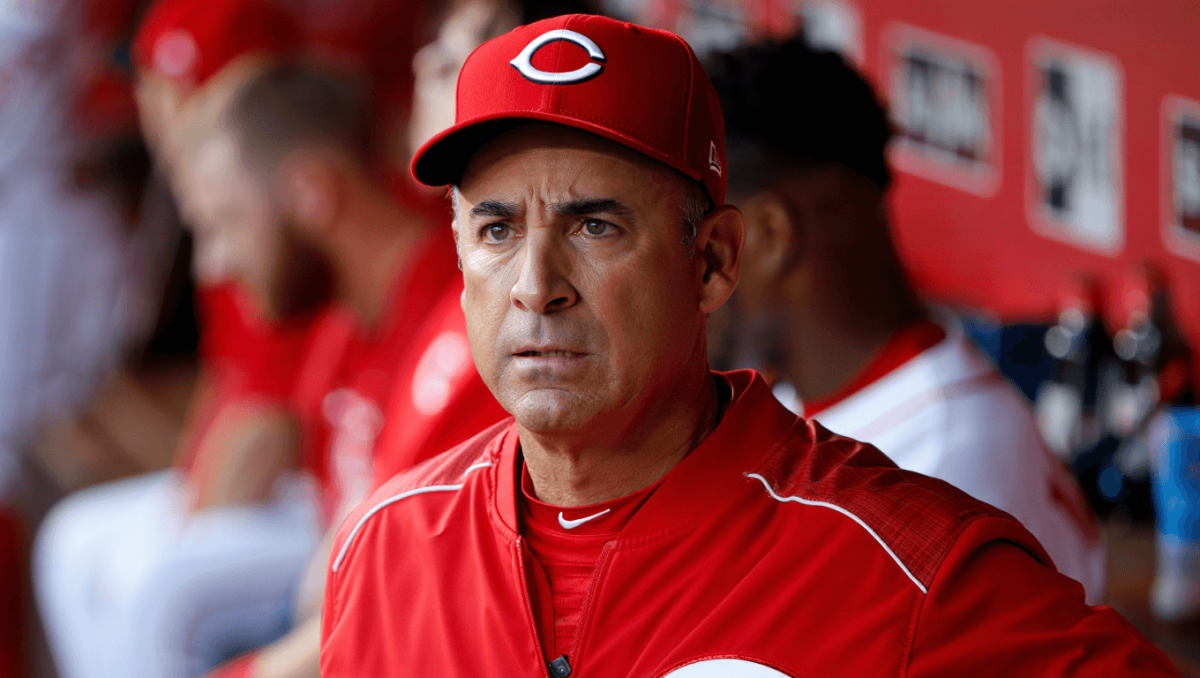
Terry Francona’s return to Cincinnati has reshaped Reds expectations. After a postseason push last season, the club added a big bat in Eugenio Suárez. Yet front-office work remains if the Reds want a truly potent, balanced lineup ready to chase the National League Central crown.
How Suárez changes Cincinnati’s middle of the order
The Reds signed Eugenio Suárez to a one-year, $15 million pact after he launched 49 homers while splitting 2024 between two teams. That signing injects immediate right-handed power into a lineup that often lacked consistent long balls.
Nickelodeon star arrested after alleged Malibu burglary
Euphoria season 3: Sydney Sweeney left off set as feud with Zendaya intensifies
Suárez gives Cincinnati a middle-of-the-order slugger, but he is not a perfect fit for every role. He prefers everyday duty at third base. The club, however, invested in Ke’Bryan Hayes to patrol that corner, and manager Francona values defense in that spot.
Expect Suárez to mix starts at third base with DH days. Francona has repeatedly shown he will protect his pitching staff and defensive alignment rather than sacrifice a top defender for marginal offensive gain.
Offseason additions and departures reshaping the lineup
The Reds supplemented Suárez with several lower-cost additions, while also losing useful pieces. The balance of contact, plate discipline, and power still needs fine-tuning.
- J.J. Bleday — Came over from Oakland with power potential but limited contact last year.
- Dane Myers — A depth outfielder who projects as a role player.
- Gavin Lux — Lost in free agency to Tampa Bay; he offered on-base skills and the ability to sustain rallies.
Suárez’s raw power is clear, but his high strikeout totals and low walk rate raise concerns under Francona’s style. The manager prizes situational hitting, plate coverage, and hustle. Cincinnati needs hitting balance, not only home runs.
Why a left-handed power outfielder would complete the Reds’ attack
The National League Central is crowded. Chicago is aggressive, and Milwaukee can never be fully counted out. To truly compete for a division title, Cincinnati would benefit from another thump from the outfield.
A left-handed bat who can add both power and outfield defense would be ideal. That type of player would complement Suárez and give opposing pitchers more to solve in the middle innings.
Wilyer Abreu as a realistic target for Cincinnati
Wilyer Abreu of the Boston Red Sox fits the profile. He profiles as a strong defender with an above-average arm and a lefty power stroke that should play well in Great American Ball Park.
- 2024 mark: about 22 homers and 69 RBIs in limited games.
- Slash line near .247/.317/.469 last season.
- Gold Glove-caliber defense and a strong throwing arm.
Boston faces an outfield logjam, which makes Abreu a plausible trade candidate. He brings both power and defense — two things the Reds can put to immediate use.
How a three-team trade could make an Abreu deal possible
Direct offers centered only on pitchers or prospects may not appeal to Boston. The Red Sox have specific needs at second and third base.
Elements of a workable three-way transaction
- Reds target Abreu as the primary incoming outfielder.
- A third team sends infield help to Boston to address their defensive depth at 2B/3B.
- Cincinnati supplies a starting pitcher or a package of arms and prospects to the third club.
This structure solves needs for all sides: Boston gets infield help, the third team bolsters pitching, and Cincinnati adds a lefty power outfielder without hollowing out its rotation.
Protecting the rotation while upgrading the lineup
One reason the Reds have improved is their starting pitching. Any trade must avoid undermining that strength.
- Francona values run prevention and will hesitate to trade away rotation depth.
- If Cincinnati parts with a starter, it must be a calculated move that preserves the overall staff.
- Prospect pieces plus a mid-rotation arm could be used instead of top-end starters.
Preserving pitching depth is essential if the club plans to sustain a contender’s pace across 162 games.
Key roster storylines to watch this spring
- How the club splits time between Suárez at third base and DH opportunities.
- Whether the front office actively pursues a left-handed power outfielder.
- How J.J. Bleday and Dane Myers are deployed and whether either earns an everyday role.
- The impact of Gavin Lux’s departure on lineup construction and situational hitting.
Each of these moves will shape Cincinnati’s approach to the division race and determine how balanced the offense becomes alongside a deep starting rotation.