Show summary Hide summary
- Bethenny Frankel’s initial post and why it stirred controversy
- She removed the footage, then posted an alternate take
- Social media reaction: calls for consistency
- Industry voices and context around the halftime show debate
- Insider perspective: why Frankel’s posts shifted
- Timeline of the online exchange
- What commentators are saying about public figures and real-time reactions
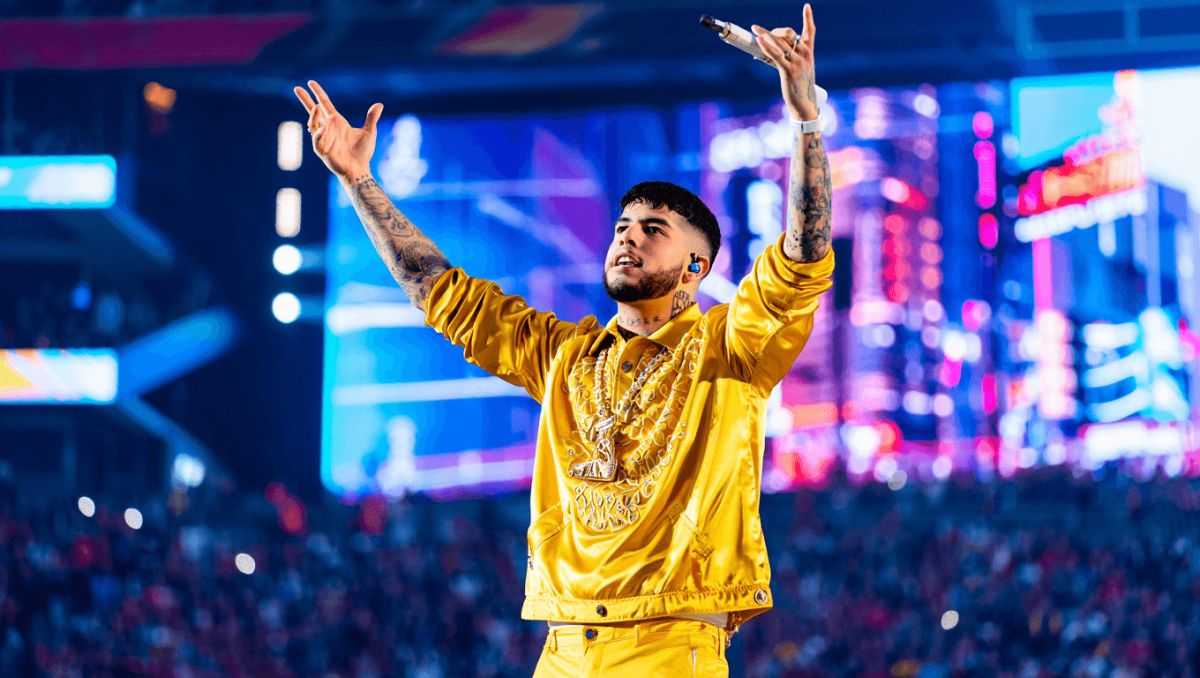
Bethenny Frankel quickly changed course after weighing in on Bad Bunny’s Super Bowl 2026 halftime performance, sparking a fresh wave of online criticism and deleted posts. Her evolving social-media remarks — and the reactions they produced — unfolded in real time, fueling debate about politics, art and big-stage platforms.
Bethenny Frankel’s initial post and why it stirred controversy
The former Real Housewives of New York City star posted a TikTok reaction that questioned whether mega-events should be used for political or cultural statements. Viewers say she prefaced the clip by predicting she might “get canceled” for her view.
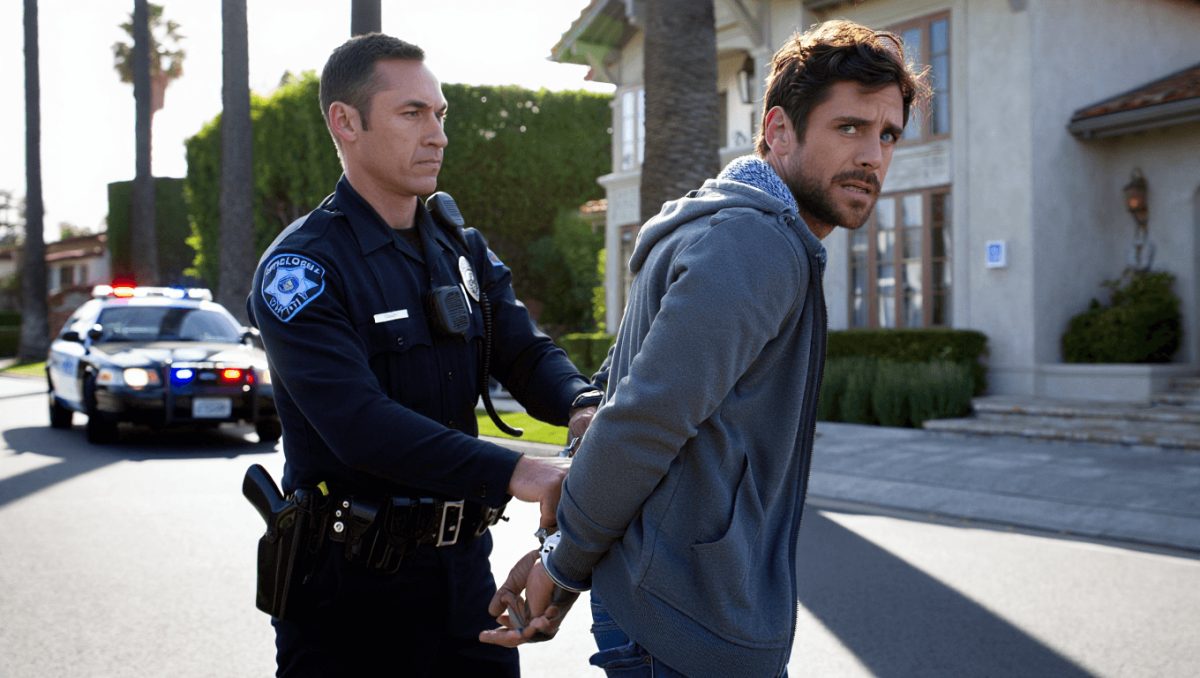
Nickelodeon star arrested after alleged Malibu burglary
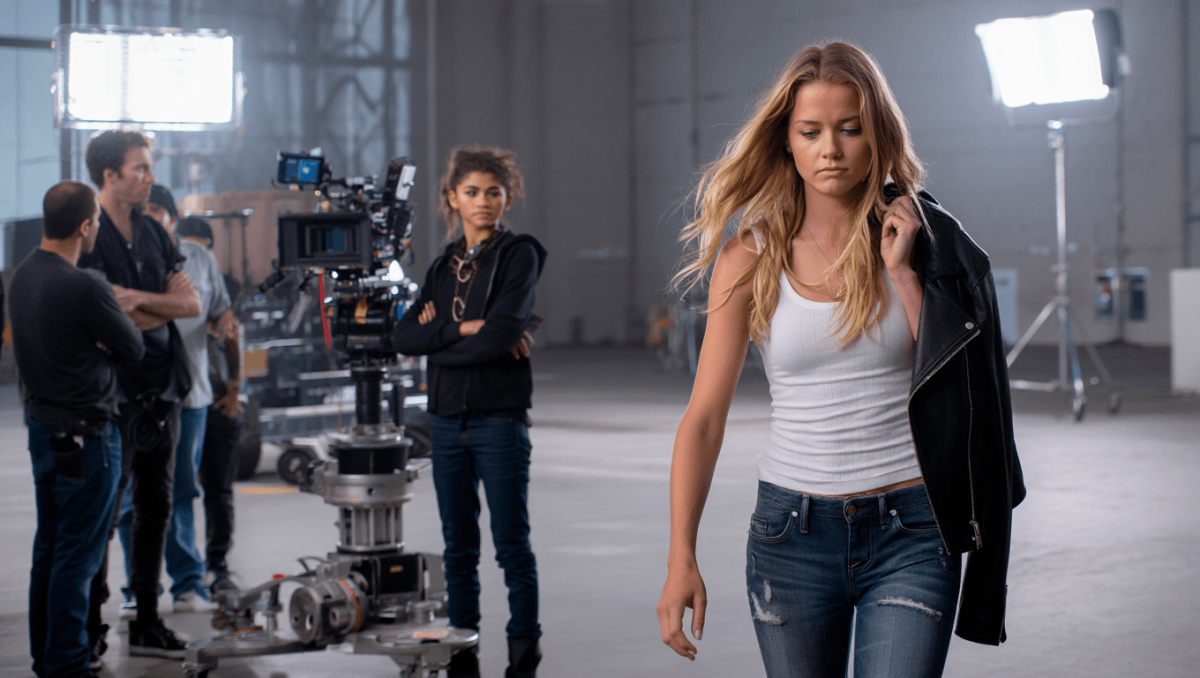
Euphoria season 3: Sydney Sweeney left off set as feud with Zendaya intensifies
In that clip, Frankel asked where organizers should draw the line between entertainment and commentary. She mentioned several recent moments in pop culture to make her point.
Public comparisons she used
- She referenced comedians who sparked outrage for onstage remarks.
- She brought up past celebrity controversies tied to performances.
- She noted award-show speeches that included political calls.
She removed the footage, then posted an alternate take
After the original upload was pulled, Frankel returned with a different message. This second clip praised Bad Bunny’s right to speak through his art. The change prompted immediate skepticism from followers.
- Original video: questioned whether halftime shows should carry political messages.
- Follow-up video: acknowledged the artist’s freedom to express himself.
- Both uploads were later deleted, according to observers.
Social media reaction: calls for consistency
Fans and critics flooded Frankel’s comment threads after the edits. Many accused her of flip-flopping. Others urged her to restore the initial clip.
- Some followers said she “changed her tune” quickly.
- Others demanded transparency about what she truly believed.
- A portion of the audience defended her right to reconsider remarks made in the moment.
Industry voices and context around the halftime show debate
Not all commentary came from casual viewers. Other reality stars and public figures weighed in on the performance and its cultural framing.
One notable voice criticized the NFL and Apple for broadcasting a mostly Spanish-language set with imagery tied to a specific nation. That take added fuel to an already heated conversation.
Why these discussions matter
Major live events reach huge audiences. That amplifies any message delivered onstage. The clash between entertainment and political speech is a recurring topic.
Insider perspective: why Frankel’s posts shifted
A source told Page Six that Frankel enjoyed the halftime production and often reacts to pop-culture moments as they happen. According to the source, her commentary evolves in real time during big broadcasts.
This explanation frames the deletions as part of a dynamic social-media habit rather than a calculated PR move.
Timeline of the online exchange
- Frankel posts an initial TikTok question about the role of halftime shows.
- Observers reshare the video and highlight a warning about possible “canceling.”
- Frankel removes the original and posts a supportive clip about artistic expression.
- Followers call out the rapid reversal; both videos disappear over time.
What commentators are saying about public figures and real-time reactions
The episode spotlights a broader pattern: celebrities often broadcast first and refine later. That dynamic can create fast-moving backlash.
- Some argue public figures should stick to a single stance.
- Others say live commentary is inherently fluid and open to revision.
- Media experts note that high-profile missteps are amplified across platforms.