Show summary Hide summary
- Why this film is being billed as a summer slasher
- What the release timing means for audience and box office
- Jane Schoenbrun’s creative direction and themes
- Cast, crew, and production highlights
- Marketing moves and trailer expectations
- Festival buzz and early reactions to watch for
- Where you might see it: theaters, streaming, and beyond
- Why a seasonally appropriate release matters for horror
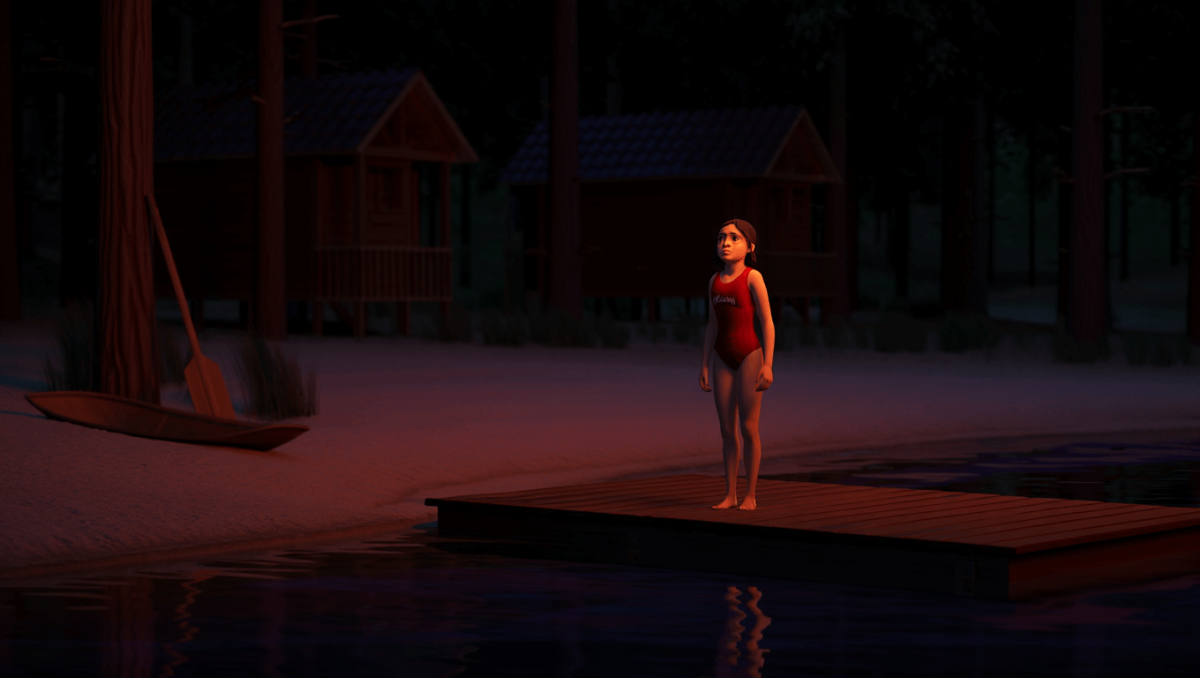
Jane Schoenbrun’s long-awaited slasher feature is finally being slotted into the calendar where it feels most at home: the height of summer. The announcement that Teenage Sex and Death at Camp Miasma will arrive during the sunny season has set conversations buzzing among horror fans and festival-goers.
Why this film is being billed as a summer slasher
Schoenbrun’s new picture leans into classic camp-horror tropes while flipping them for a modern audience. The title signals a playful but deadly blend of adolescent drama and genre violence.
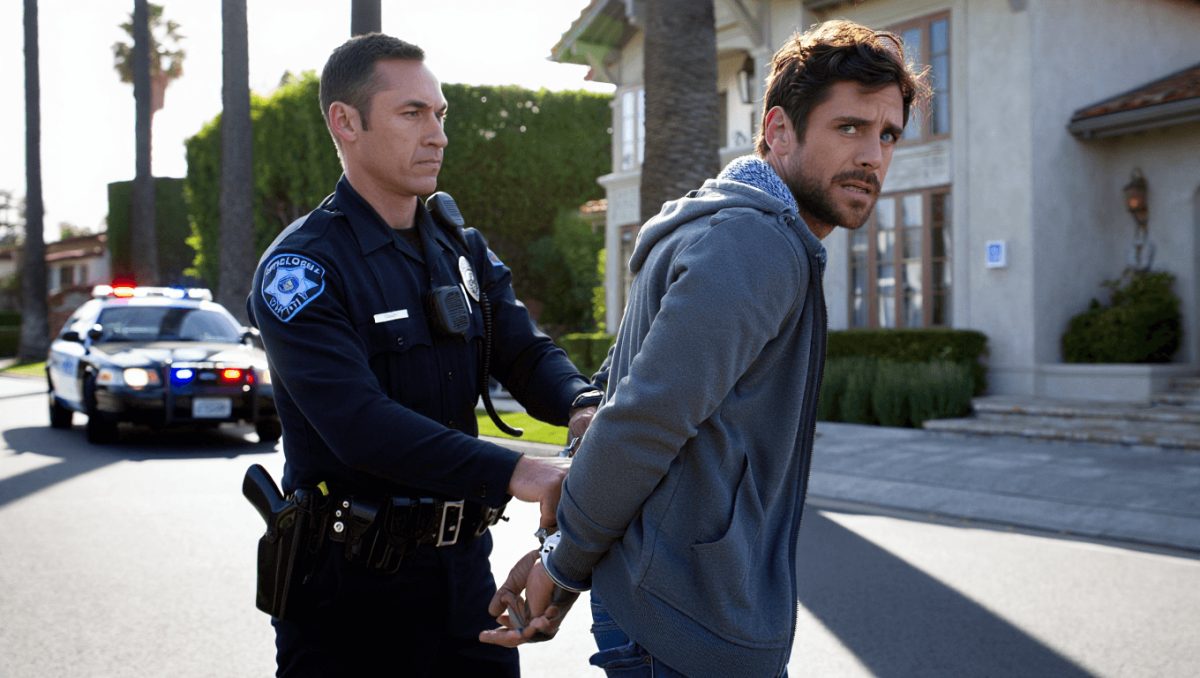
Nickelodeon star arrested after alleged Malibu burglary
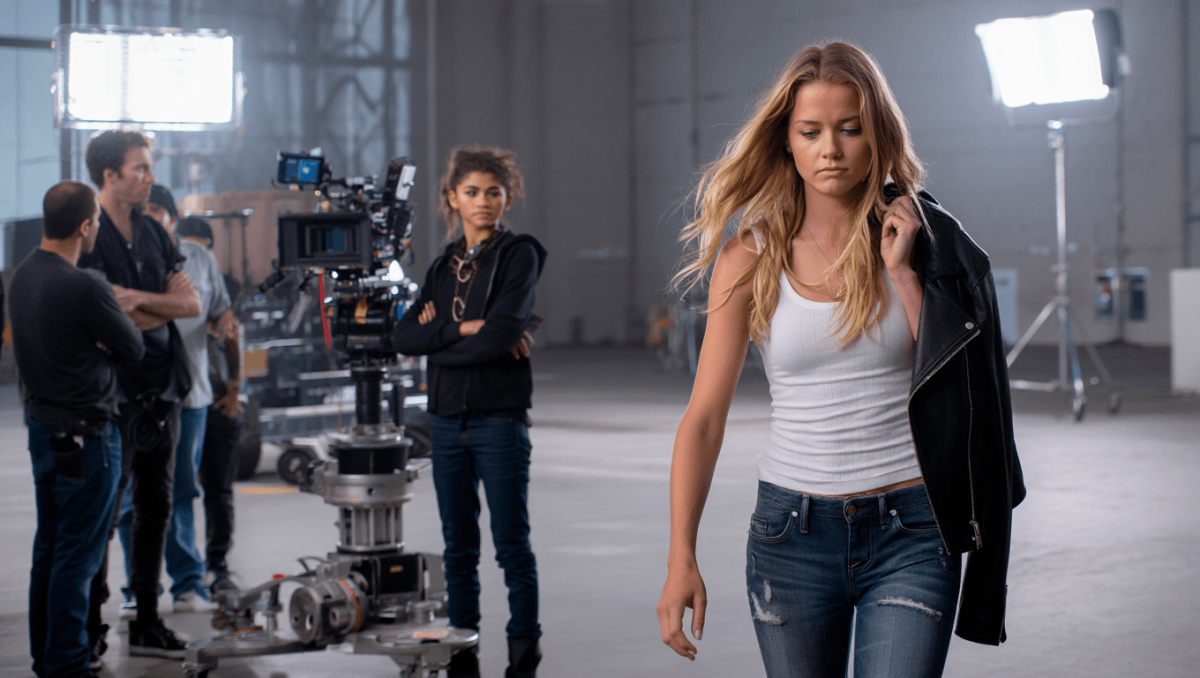
Euphoria season 3: Sydney Sweeney left off set as feud with Zendaya intensifies
- Tone: A mix of satire, dread, and coming-of-age anxiety.
- Setting: The isolated summer camp offers claustrophobic thrills and nostalgic visuals.
- Audience fit: Summer release matches viewers seeking bold, escapist scares.
What the release timing means for audience and box office
Dropping a horror movie in summer can be a smart move. The season still draws large crowds, and the contrast between bright days and dark nights can heighten the film’s impact.
- Competes with blockbusters yet stands out as counter-programming.
- Benefit: viewers want social, theatrical experiences in warm months.
- Potential risk: summer noise from big franchises.
Jane Schoenbrun’s creative direction and themes
Schoenbrun is known for subversive storytelling. This film continues that trajectory by pairing sharp social observation with horror conventions.
Recurring motifs
- Identity and adolescence under pressure.
- The dark underside of communal rites.
- Playful violence used to probe real anxieties.
Cast, crew, and production highlights
Early reports point to a mix of emerging talent and strong creative collaborators. Shoots at remote locations helped craft that authentic camp atmosphere.
- Director: Jane Schoenbrun.
- Production: On-location settings to enhance realism.
- Visuals: Nighttime scares and sunlit dread play against each other.
Marketing moves and trailer expectations
Marketing will likely lean into nostalgia and shock value. Expect teasers that tease mood over plot.
- Trailers that balance humor with suspense.
- Poster art that nods to vintage camp aesthetics.
- Social campaigns aimed at horror communities and Gen Z viewers.
Festival buzz and early reactions to watch for
Before a wide release, festival screenings often shape critical momentum. Positive buzz can amplify interest heading into the summer run.
- Watch for reviews that highlight Schoenbrun’s tonal control.
- Audience reactions at early screenings can influence box office.
- Festival laurels help in crowded seasonal slates.
Where you might see it: theaters, streaming, and beyond
The distribution plan will matter for how widely viewers can access the film. Summer theatrical windows still matter for communal horror experiences.
- Theatrical release first, to capture event-going audiences.
- Later availability on streaming platforms, depending on distributor strategy.
- Special screenings and midnight showings could build cult momentum.
Why a seasonally appropriate release matters for horror
Horror often plays against context. Putting a slasher in summer amplifies its themes and allows for contrast between carefree days and bloody nights.
- Emotional contrast: Bright settings make dark moments more unsettling.
- Audience habits: Summer viewers seek shared experiences.
- Cultural timing: Seasonal releases create promotional hooks.