Show summary Hide summary
- Network pullback: what the carrier announced
- Why carriers trim routes to protect profits
- What this means for travelers and communities
- Operational changes inside Frontier
- How this strategy ties to profitability goals
- Competitive landscape and industry context
- What travelers should do next
- Signals for investors and market watchers
- Possible next steps for the airline
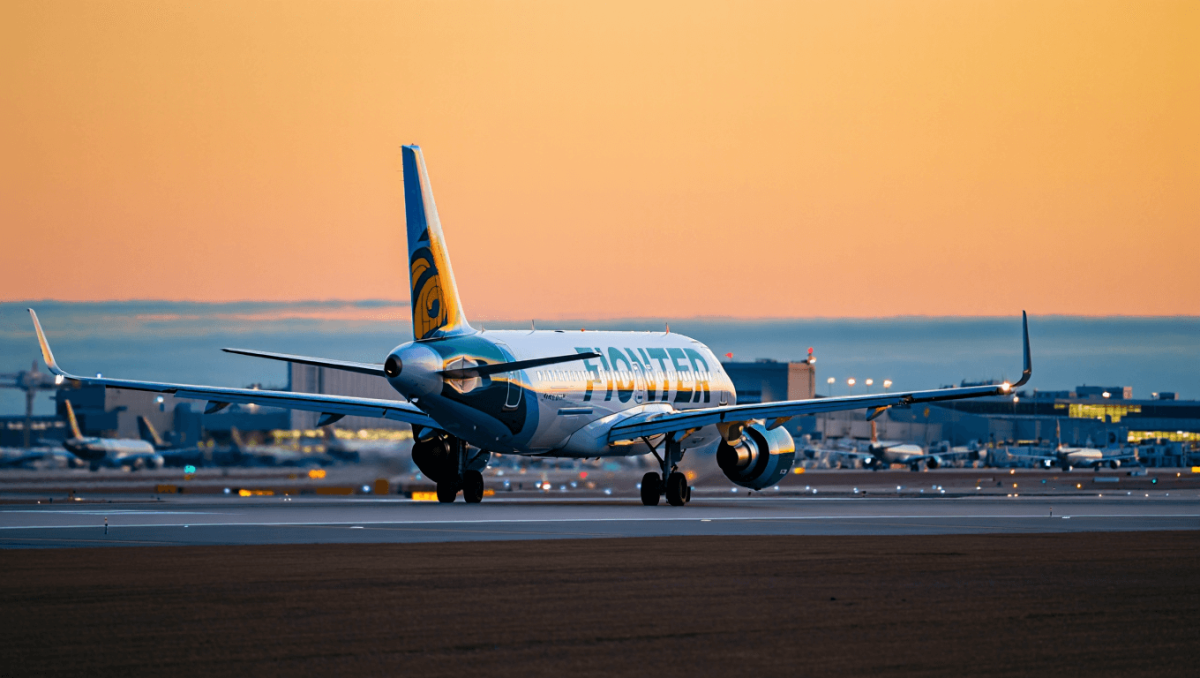
Frontier Airlines is reshaping its route map, pulling service from several smaller airports and slowing its expansion plans. The low-cost carrier says it will focus on steady cash flow and profitability as it pares back capacity and refines its network strategy.
Network pullback: what the carrier announced
Frontier confirmed it will discontinue flights to 10 smaller destinations this season. The company plans more modest capacity growth than previously forecast.
Christina Haack stuns in cream crochet bikini: responds to fourth engagement rumors
Knicks superfan Ben Stiller skips Oscars to watch gritty win over Warriors
- Less aggressive expansion: Frontier will add fewer new routes than planned earlier.
- Targeted cutbacks: The adjustments focus on markets that produced weak returns.
- Fleet alignment: Aircraft will be reassigned to denser routes or stored.
Why carriers trim routes to protect profits
Airlines often scale back when costs rise or demand softens. Frontier’s move mirrors a broader pivot in the industry away from growth at any cost.
Key financial reasons
- Fuel and labor costs pressure margins.
- Leasing and financing terms can change the math on new service.
- Investors push for sustainable profits over rapid market share gains.
What this means for travelers and communities
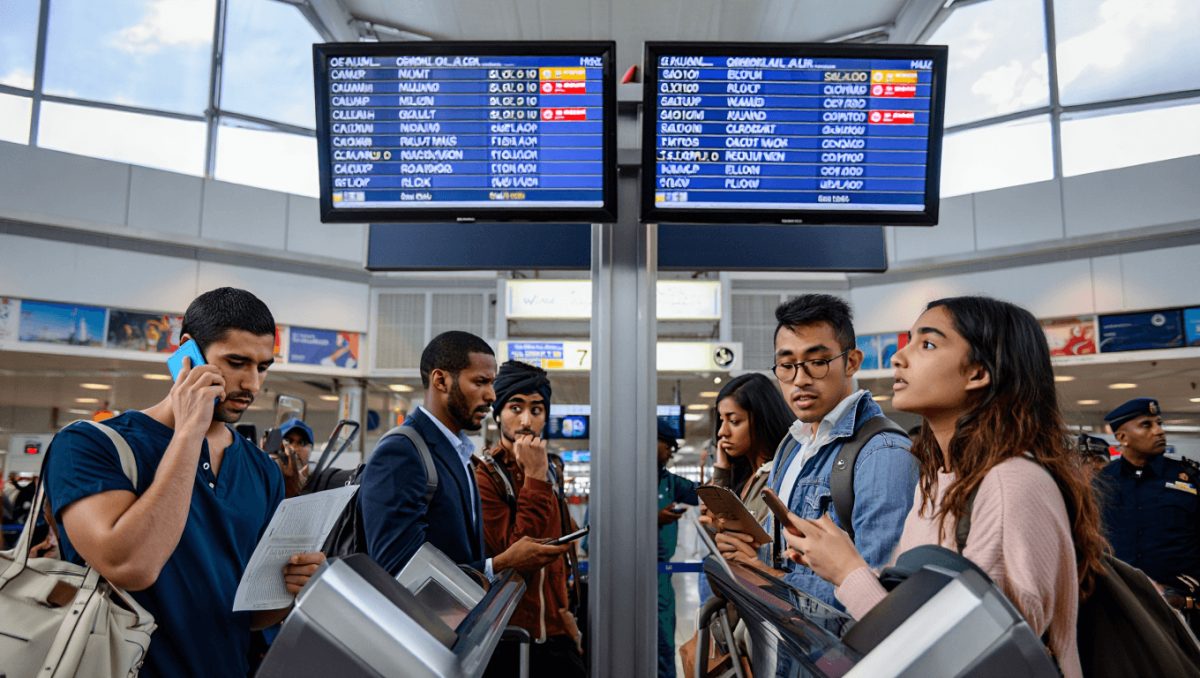
Passengers in affected cities will see reduced options and may pay more to reach major hubs. Airports that lose flights risk lower foot traffic and reduced ancillary revenue.
- Some travelers will shift to competitors or drive to nearby airports.
- Business travel could face longer connections and less frequency.
- Smaller airports may court new carriers or boosts in marketing.
Operational changes inside Frontier
The carrier expects to redeploy aircraft and crews to stronger markets. Schedules will be adjusted to preserve frequency where demand remains robust.
Staffing and fleet moves
- Crews may be reassigned between bases.
- Idle aircraft could be parked or subleased.
- Maintenance planning will shift to reflect the new network.
How this strategy ties to profitability goals
Frontier’s leadership says prioritizing cash flow helps the airline withstand market volatility. Slowing growth reduces immediate capital needs.
- Fewer new routes lowers upfront marketing and startup costs.
- Concentrated flying raises load factors on remaining routes.
- Improved unit revenue comes from focusing on profitable city pairs.
Competitive landscape and industry context
Other low-cost carriers have made similar adjustments in recent years. The balance between growth and profit is a recurring theme in U.S. aviation.
- Major rivals may pick up some displaced passengers.
- Regional carriers could expand into vacated markets.
- Airport incentives may be used to retain or attract service.
What travelers should do next
If your city is affected, check flight schedules and refund options. Consider flexible tickets and alternative airports for upcoming trips.
- Confirm bookings directly with the airline.
- Look for rebooking or voucher offers.
- Compare fares across carriers and nearby airports.
Signals for investors and market watchers
Trimming network size can be a sign of discipline. Investors will watch yields, load factors, and free cash flow in the coming quarters.
- Improved margins are the primary metric to track.
- Debt levels and cash reserves will factor into confidence.
- Management commentary at earnings calls will be closely read.
Possible next steps for the airline
Frontier could reopen routes if demand returns. It may also pursue partnerships or code-shares to fill service gaps without large capital outlays.
- Seasonal reinstatements are possible.
- Joint ventures or interline deals could extend reach.
- Targeted promotions may revive low-performing routes.