Show summary Hide summary
The Lucy Letby case has returned to public attention after a new Netflix documentary. The film revisits a string of infant deaths at a northwest hospital and prompts fresh debate about evidence, motive and character. While prosecutors say the facts support a grim verdict, a number of people who knew Letby insist she could not have done what she was convicted of.
Streaming doc sparks fresh questions about the case
The documentary frames the events and evidence in a way that has divided viewers and commentators. It highlights disputed forensic analysis and features interviews with acquaintances who continue to doubt the convictions. Netflix’s film has pushed the trial back into headlines, prompting renewed analysis of courtroom records and media coverage.
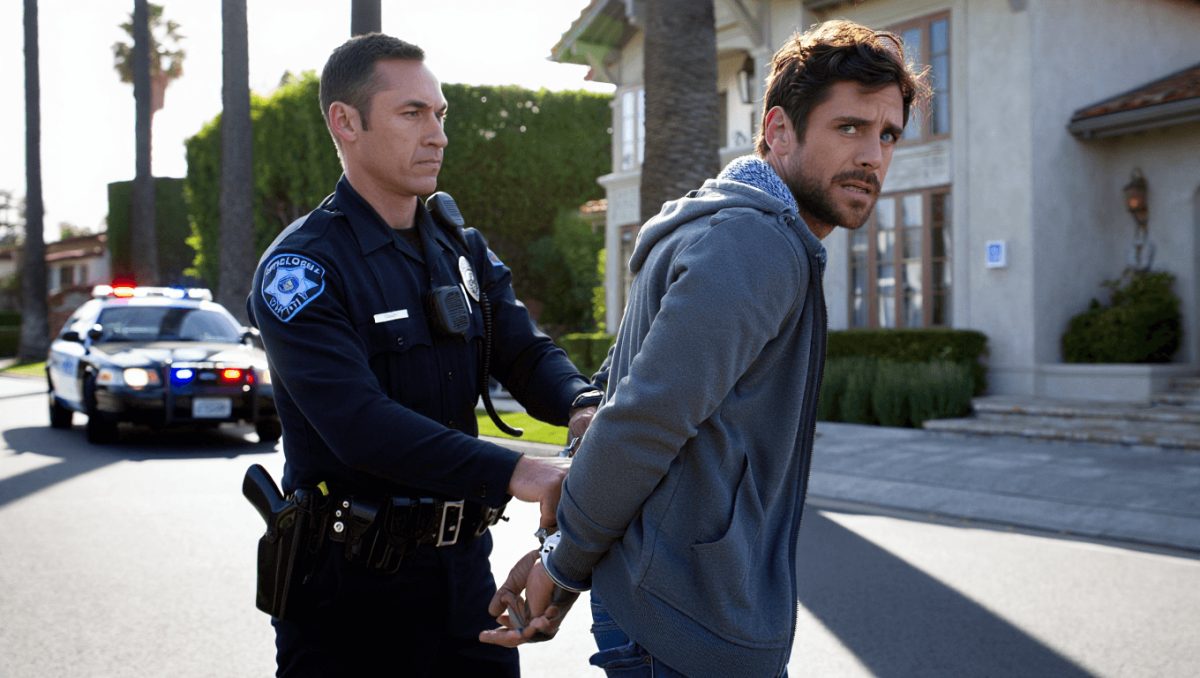
Nickelodeon star arrested after alleged Malibu burglary
Euphoria season 3: Sydney Sweeney left off set as feud with Zendaya intensifies
- Friends featured in the film say they still exchange letters with Letby and believe in her innocence.
- Childhood contacts describe a person who seemed loving and incapable of harming infants.
- Critics of the trial say the documentary raises questions about how evidence was interpreted.
Legal outcome and current status in custody
Letby was found guilty at Manchester Crown Court and given multiple whole-life sentences. The convictions relate to deaths and attempted killings on a neonatal unit at the Countess of Chester Hospital between 2015 and 2016. She has consistently denied the charges during legal proceedings and remains imprisoned, with authorities saying she will spend the rest of her life behind bars.
Key case facts
- Setting: Countess of Chester Hospital neonatal ward.
- Timeline: incidents occurred in 2015–2016.
- Verdict: convicted of several murders and attempted murders; sentenced to life terms.
How colleagues and investigators describe her
Accounts from hospital staff and police officials paint a starkly different picture from the memories of friends. Some colleagues said she blended into normal social routines, which made the alleged offences harder to accept.
- One health professional called her manipulative and cunning, saying she betrayed the trust placed in her by patients and staff.
- A senior doctor recalled a nurse who appeared keen, quiet and conscientious in routine interactions.
- Police described her as outwardly ordinary — social, family-oriented and seemingly like others her age.
- Another officer, with decades on the force, said the events were among the darkest he had investigated.
Friends who defend her character
Those who grew up with Letby or kept close ties after she left clinical practice offer a different portrait. They emphasise warmth, gentleness and a strong caring instinct. These supporters argue the public image created by press reports sits poorly with the person they knew.
- A childhood friend said nothing in their shared upbringing suggested violent behaviour.
- One named friend described her as kind and gentle, and said the accusations were entirely out of character.
- Supporters maintain they have continued correspondence and are convinced of her innocence.
Contrasts that confounded investigators and peers
Investigators repeatedly said the juxtaposition between a conventional social life and the severity of the alleged crimes made the case particularly hard to reconcile. Some officers spoke of encountering a person whose normal routines appeared to offer cover for criminal acts.
- Witness memory: many colleagues could not fit the alleged behaviour into the person they observed daily.
- Public trust: the role of a healthcare professional intensified feelings of betrayal among staff and families.
- Investigative challenge: ordinary demeanour complicated early suspicions and public reaction.
Media coverage and the human stories behind headlines
Broadcast pieces and print features have alternated between legal detail and intimate recollections. Channel 4 interviews in 2023 brought additional first-hand perspectives into the public sphere, while the Netflix film has prompted new conversations about evidence and narrative framing.
- Documentaries have amplified both sceptical and condemning voices.
- Victims’ families, former colleagues and friends all contribute different angles.
- The case remains a focal point for debates about hospital oversight, forensic interpretation and media reporting.