Show summary Hide summary
- Why some Super Bowl halftime shows miss the mark
- Ranking the most criticized Super Bowl halftime performances (NFL history)
- Maroon 5 — Atlanta return that felt safe (2019)
- Coldplay — Polished but lacking spark (2016)
- Katy Perry — When a dancer became the story (2015)
- Black Eyed Peas — Futuristic looks, fractured delivery (2011)
- Janet Jackson & Justin Timberlake — The scandal that reshaped broadcast rules (2004)
- Disney’s Millennium Show — Theme-park spectacle over music (2000)
- Blues Brothers revival with Elvis impersonators — Nostalgia misfired (1997)
- New Kids on the Block — A halftime that felt like kids’ TV (1991)
- Gloria Estefan with Olympic skaters — A concert on ice that confused viewers (1992)
- Peanuts tribute — Charming but oddly placed (1990)
- What lessons the NFL halftime history teaches marketers and producers
Bad Bunny’s recent Super Bowl set changed the halftime conversation. He became the first headliner to sing an entire set in Spanish and even staged a mock wedding on the field. The move sparked loud reactions online and from some politicians, but it also highlights how the NFL’s halftime history is full of much stranger, more misfired moments.
Why some Super Bowl halftime shows miss the mark
Not every halftime slot needs pyrotechnics to fail. Sometimes the concept is off. Other times the staging drowns the music. A few shows simply confused the audience.
Knicks superfan Ben Stiller skips Oscars to watch gritty win over Warriors
U.S. embassies warn: 5 new travel alerts after demonstrations spread
- Mismatched themes: Bringing circus acts or ice skaters to a rock or pop set often breaks momentum.
- Overstuffed nostalgia: Too many guest stars or impersonators can make a show feel like a patchwork.
- Memorable for the wrong reasons: When a single mishap becomes the headline, the music is forgotten.
Ranking the most criticized Super Bowl halftime performances (NFL history)
-
Maroon 5 — Atlanta return that felt safe (2019)
Coming back to a Southern stage, the expectation was a local homage. Instead, the set leaned into radio-safe hits. Guest appearances felt additive rather than integrated. The moment people talked about most involved a shirtless finale, not musical innovation. That says a lot about why many called the performance forgettable.
-
Coldplay — Polished but lacking spark (2016)
Coldplay delivered a clean, well-produced set. Yet critics said it played too safe. When Beyoncé and Bruno Mars shared the spotlight, viewers felt the band was overshadowed. For a landmark game, the show didn’t generate the buzz fans expected.
-
Katy Perry — When a dancer became the story (2015)
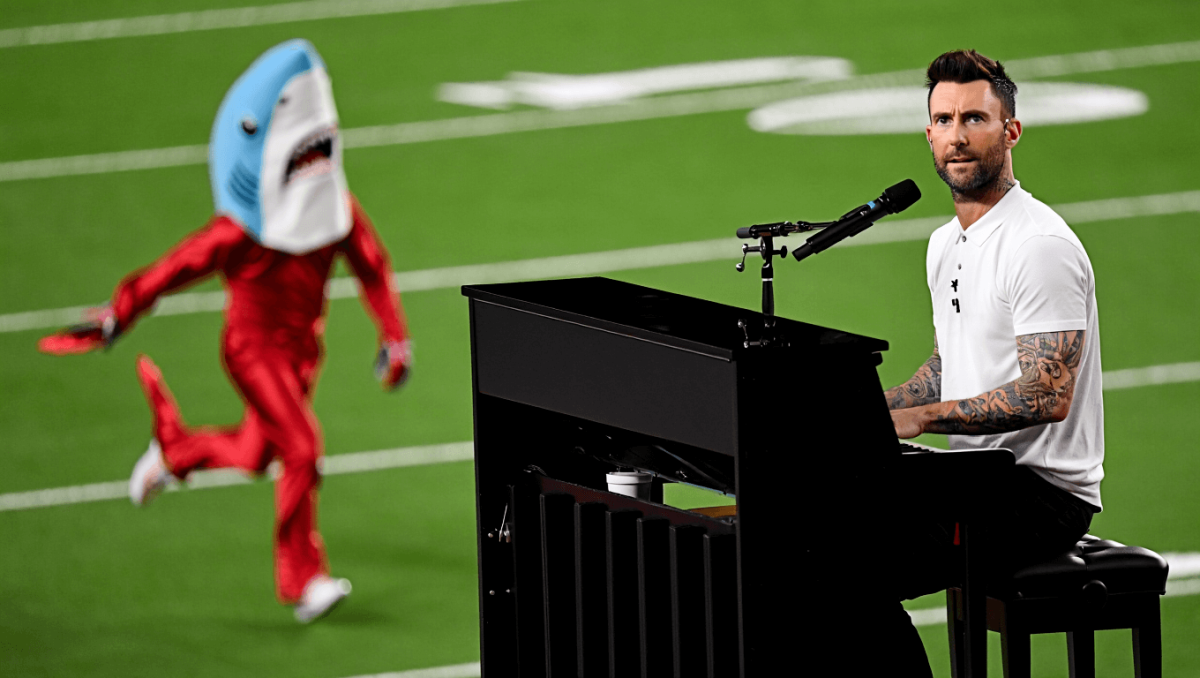
High production values and big names defined this halftime. But an offbeat dancer in a shark costume stole the headlines. The stunt became a meme and eclipsed the performance. A show remembered mainly for a viral moment shows how quickly spectacle can derail focus.
-
Black Eyed Peas — Futuristic looks, fractured delivery (2011)
The group arrived at their commercial peak with a flashy, technology-heavy set. Yet critics flagged uneven vocals and clumsy choreography. Costumes and visual effects couldn’t mask the lack of cohesion that many viewers noticed.
-
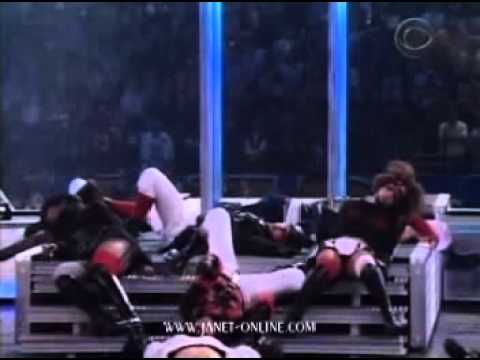
Janet Jackson & Justin Timberlake — The scandal that reshaped broadcast rules (2004)
The performance itself featured tight choreography and big production. But one wardrobe incident dominated the aftermath. The controversy overshadowed the music and triggered major changes in live TV regulation. It remains one of the most debated halftime moments.
-
Disney’s Millennium Show — Theme-park spectacle over music (2000)
A halftime wrapped in Disney branding blended pop stars, circus acts and ice-show production. The result felt more like a corporate pageant than a concert. Big names performed, but the spectacle diluted musical identity.
-
Blues Brothers revival with Elvis impersonators — Nostalgia misfired (1997)
Throwing a retro revue on the Super Bowl stage sounded fun. In practice, the mix of revivals and impersonations read as dated. What should have been an energetic throwback came across flat and oddly low-key for the event’s scale.
-
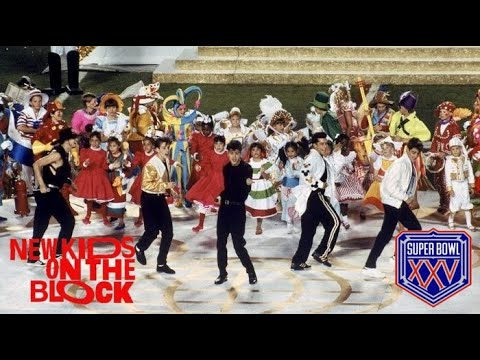
New Kids on the Block — A halftime that felt like kids’ TV (1991)
This set struggled to find its tone. Choppy pacing and an overall presentation made the performance resemble a chaotic children’s show. Many viewers wondered if the broadcast had switched programming mid-game.
-
Gloria Estefan with Olympic skaters — A concert on ice that confused viewers (1992)
Gloria Estefan is a pop icon, but skating pairings and theatrical staging pushed the halftime into exhibition territory. The combination clashed with what fans expect from a live pop concert, leaving the audience puzzled.
-
Peanuts tribute — Charming but oddly placed (1990)
Years before halftime slots became pop showcases, the NFL favored family-friendly skits. A tribute to a comic strip felt sweet but out of sync with the game-day atmosphere. It’s remembered more for how unusual it was than for lasting musical impact.
What lessons the NFL halftime history teaches marketers and producers
- Keep the musical identity clear. Don’t let gimmicks drown the artist.
- Balance spectacle and sound. Visuals should support the songs.
- Context matters: A themed promo or nostalgia act can work, but only when it feels earned.
- Memorable moments are good. But avoid moments that eclipse the music.
Featured image credit: YouTube, CBS