Show summary Hide summary
- Why Van Der Beek saw little money from Dawson’s Creek
- How TV contracts and syndication affect actors’ pay
- Public response: GoFundMe and celebrity donations
- Voices from the cast and industry
- How Van Der Beek tried to pay for treatment
- What this means for other performers and fans
- Immediate needs and how people are helping
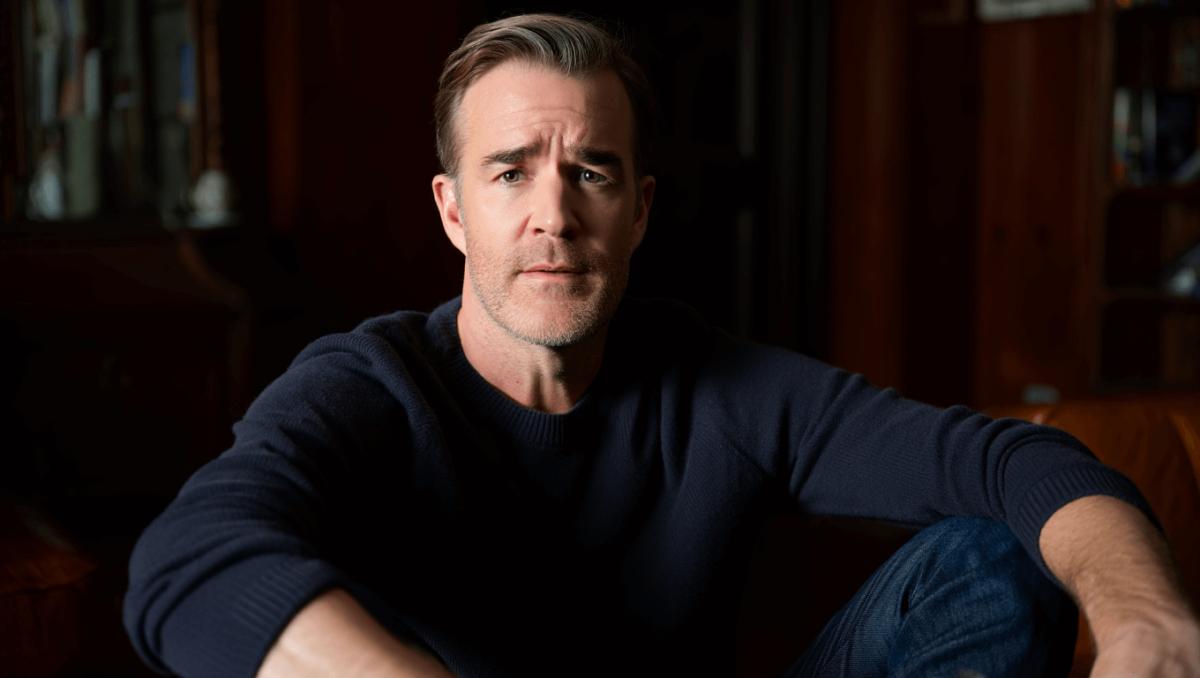
James Van Der Beek’s sudden death at 48 has left more than grief in its wake. The actor’s family faces mounting medical bills and a sudden loss of income, and a wave of public support has begun to fill the gap while questions about TV residuals and old contracts resurface.
Why Van Der Beek saw little money from Dawson’s Creek
Van Der Beek rose to fame in Dawson’s Creek, the teen drama that ran from 1998 to 2003. Yet, he has publicly described receiving
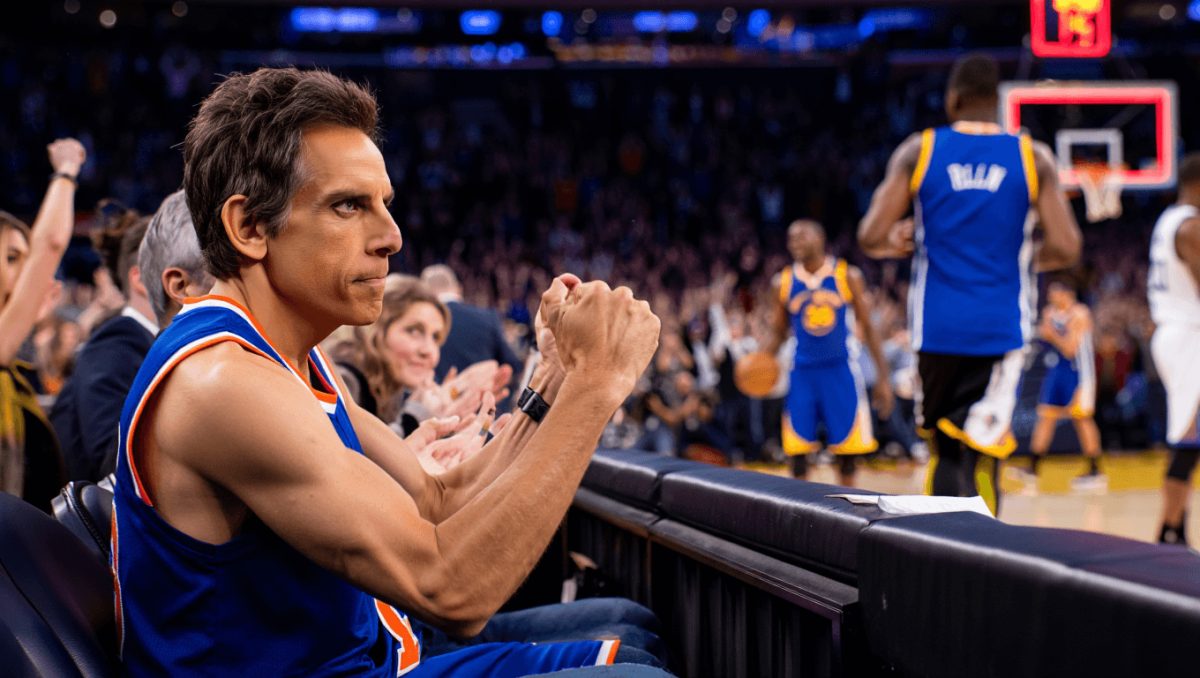
Knicks superfan Ben Stiller skips Oscars to watch gritty win over Warriors
U.S. embassies warn: 5 new travel alerts after demonstrations spread
Industry veterans note that performers who sign contracts as young stars can miss out on long-term earnings if clauses on syndication and streaming are weak. For Van Der Beek, those gaps translated into limited recurring income from the show that made him a household name.
How TV contracts and syndication affect actors’ pay
Residual payments depend on many factors: the original contract, the network, and how a show is categorized for reruns and licensing. Rules that once governed network TV do not always apply to cable or newer platforms.
Key factors that influence residuals
- Contract wording signed at series start
- Whether a series is treated as “network” or “syndicated”
- Current streaming and licensing agreements
- Guild protections and renegotiation windows
On social platforms, some performers and observers have argued that shows not produced for ABC, CBS, or NBC were sometimes treated differently, which can reduce payouts for actors years later.
Public response: GoFundMe and celebrity donations
Within hours of Van Der Beek’s death, friends launched a GoFundMe to support his wife and six children. The campaign has attracted widespread attention and significant donations.
- The GoFundMe surpassed nearly $2 million in donations.
- High-profile contributors include Zoe Saldaña, director Jon M. Chu, and performer Derek Hough.
- Fans, co-stars, and industry peers shared messages of support in comment threads.
Many commentators used the moment to press for industry reforms. Calls to require streaming platforms to pay residuals similar to legacy networks gained traction in response to public concern.
Voices from the cast and industry
Actress Rachel True, who appeared on Dawson’s Creek in guest roles, weighed in online. She described how certain classifications can limit actors’ long-term compensation, and said that those rules can harm performers’ financial futures.
Others echoed that sentiment, arguing that streaming and modern licensing should not erase decades-long expectations for residual pay. The debate has highlighted a divide between how older contracts were written and how content now earns revenue.
How Van Der Beek tried to pay for treatment
Before his death, Van Der Beek took steps to cover medical costs. He auctioned off personal memorabilia connected to Dawson’s Creek to help pay for care during his illness.
- Auctioned items included signed props and personal keepsakes.
- The sale was an effort to bridge gaps left by medical bills and limited residuals.
- Those moves underscored the financial pressure on actors facing serious illness.
What this means for other performers and fans
The actor’s situation has renewed attention on contract fairness for performers. Industry groups and unions have long campaigned for clearer protections for residuals, especially as streaming reshapes TV revenue.
Supporters argue that reforms should ensure performers benefit from the continued value of their work. The outpouring for Van Der Beek’s family shows how quickly communities can mobilize, even as the policy debate continues.
Immediate needs and how people are helping
The GoFundMe remains the primary node of support. Donations from friends and celebrities have made a substantial difference in the short term.
- Friends and fans donated to cover immediate household expenses.
- Public figures amplified the campaign to reach wider donors.
- Auctions and memorabilia sales provided another revenue stream.
His family now relies on this backing while the industry conversation about residuals and contract reform carries on.