Show summary Hide summary
- Skating bloodline: how family shaped Malinin’s rise
- Why he uses Malinin as a last name
- Tatiana Malinina: Novosibirsk native to Four Continents champion
- Roman Skorniakov: Uzbekistan’s stalwart competitor
- From Soviet roots to training hubs in the United States
- The quadruple axel: signature move and why it matters
- Milestones that mark Ilia Malinin’s early legacy
- Coaching home and the path forward
Ilia Malinin arrived at the 2026 Winter Games as a revelation — a young skater turning heads with daring jumps and a family story that reads like a skating dynasty. Nicknamed the “quad god,” Malinin has pushed the sport’s limits by landing the quadruple axel in competition, and his rise is rooted in parents who once competed on the Olympic stage.
Skating bloodline: how family shaped Malinin’s rise
Ilia grew up inside a household where figure skating was daily life. Both parents skated at elite levels. His grandfather coached. His younger sister, Liza, also chases ice-time ambitions. That constant exposure made practice and precision part of his rhythm.
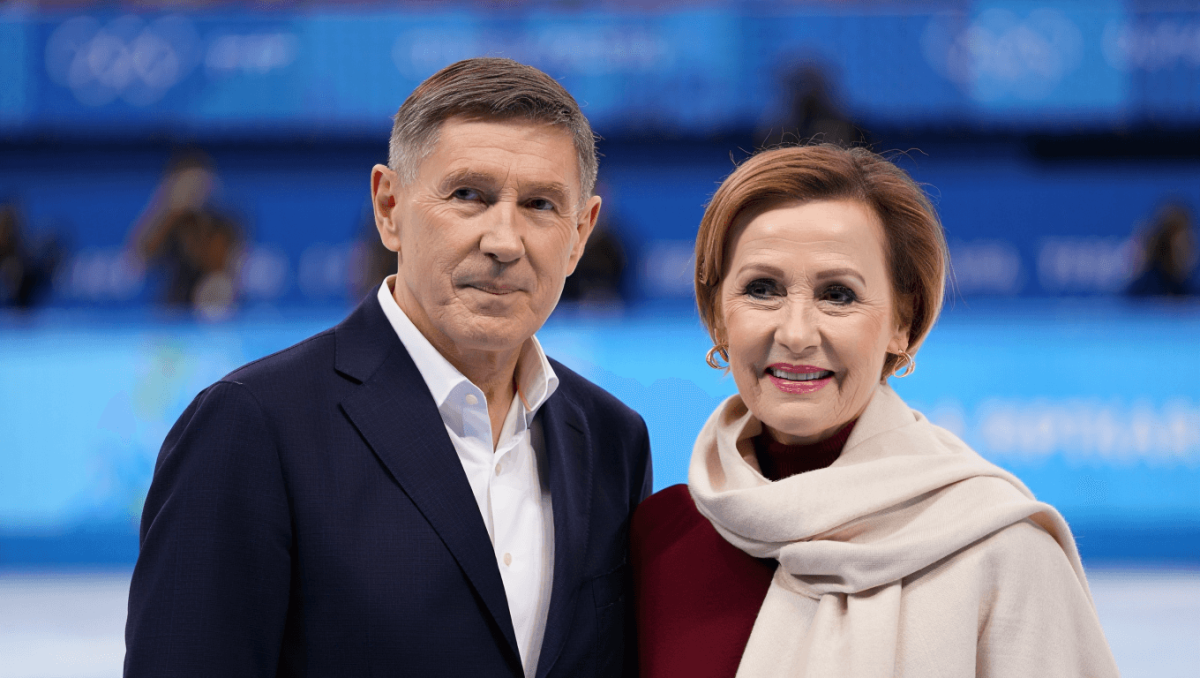
- Parents: Tatiana Malinina and Roman Skorniakov, former international competitors.
- Grandfather: Valeri Malinin, a former skater and coach who influenced the family’s path.
- Sister: Liza Malinin, a developing figure skater.
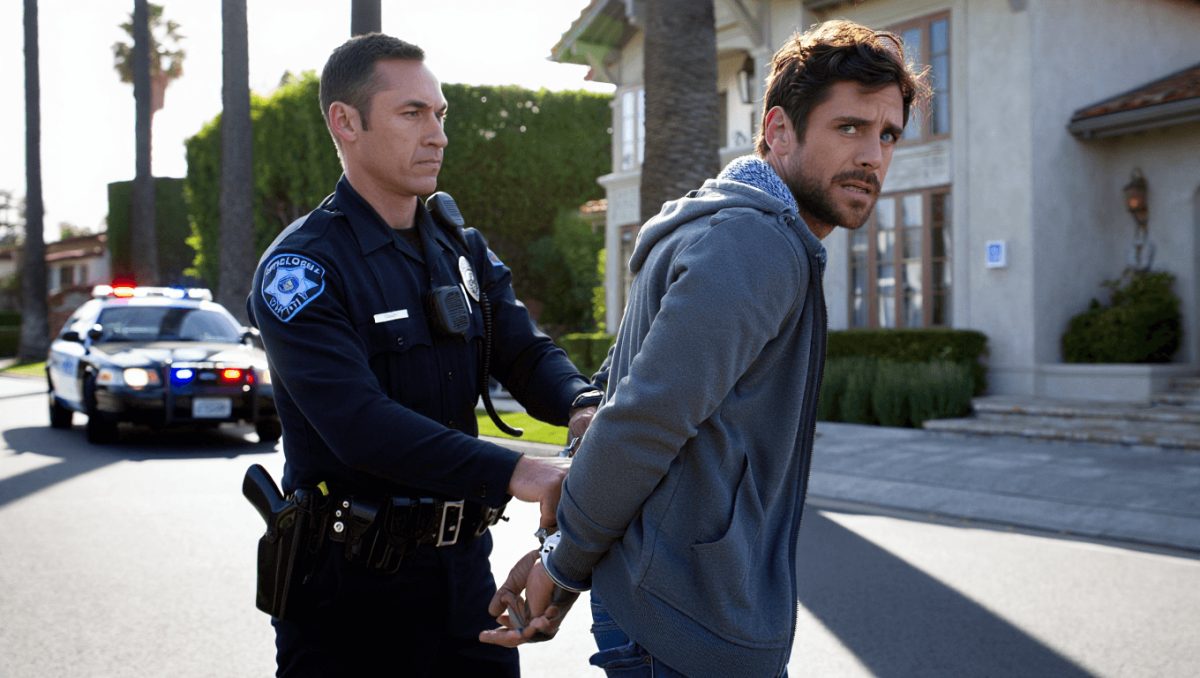
Nickelodeon star arrested after alleged Malibu burglary
Euphoria season 3: Sydney Sweeney left off set as feud with Zendaya intensifies
Why he uses Malinin as a last name
The family chose Tatiana’s surname for their son. They gave Ilia the masculine form, Malinin, because Skorniakov proved harder for many to pronounce. The name stuck and now headlines do too.
Tatiana Malinina: Novosibirsk native to Four Continents champion
Tatiana’s career provides a template for consistency and success. Born in Novosibirsk, she grew up around sport. Her father coached skating; her mother was a gymnast. Tatiana competed at the world level for a decade.
Highlights from Tatiana’s skating career
- Competed in 10 consecutive World Championships beginning in 1993.
- Won the inaugural Four Continents title in 1999.
- Captured Grand Prix gold in 1998–99.
- Won Asian Winter Games gold in 1999 and silver in 1996.
- Placed eighth at the 1998 Winter Olympics.
After elite competition, Tatiana moved to Virginia for better ice time. She and Roman turned to coaching there, shaping the next generation of skaters — including their own children.
Roman Skorniakov: Uzbekistan’s stalwart competitor
Roman built his own track record while representing Uzbekistan. A consistent national champion, he also competed at two Winter Olympics and stood on the Asian podium.
Roman’s top results
- Seven-time Uzbek national champion (1997–2003).
- Silver medalist at the 1999 Asian Winter Games.
- Competed at the 1998 and 2002 Winter Olympics, finishing 19th both times.
Roman and Tatiana later combined coaching roles in Virginia. Their work provided Ilia with steady guidance and daily access to the ice.
From Soviet roots to training hubs in the United States
Both parents were born in what was then the Soviet Union. Tatiana in Novosibirsk and Roman in Sverdlovsk. After the USSR dissolved, they skated under Uzbekistan’s banner for part of their careers.
They moved to the U.S. as part of a search for superior training conditions. More ice and structured facilities were decisive. A training camp with the national team showed them opportunities abroad. Settling in Dale City, Virginia, they shifted to coaching and built a base for the family.
The quadruple axel: signature move and why it matters
Ilia’s most talked-about feat is the quadruple axel. It is a jump with an extra half-rotation compared to the standard axel, making it physically and technically rare.
- The quadruple axel demands speed, height, and precise timing.
- Few skaters have attempted it in competition.
- Malinin remains the only skater to land it cleanly in competition.
That accomplishment earned him the “quad god” label and helped propel his visibility at the 2026 Winter Games.
Milestones that mark Ilia Malinin’s early legacy
Ilia has already reached benchmarks his parents did not. He stood on the Olympic podium and introduced a new technical frontier for men’s figure skating.
- Breakthrough performance at the 2026 Winter Games.
- Landing the quadruple axel in international competition.
- Carving a public profile strong enough to shift attention within the sport.
Coaching home and the path forward
The Malinins run a coaching environment built on elite experience. Their work in Virginia created steady ice time and technical mentorship. For Ilia, that translated into disciplined daily practice and the freedom to attempt risky elements.
- Family coaching created continuity in training.
- The household produced both competitive athletes and coaches.
- Liza Malinin continues the family legacy on the ice.