Show summary Hide summary
- Which translated lines drew the most attention and why
- How Twitter split between outrage and defense
- What most of the set actually sounded like — tame moments and exceptions
- Why the language gap and cultural context matter
- Broader debate: entertainment values, regulation, and double standards
- How fans describe the halftime show’s overall impact
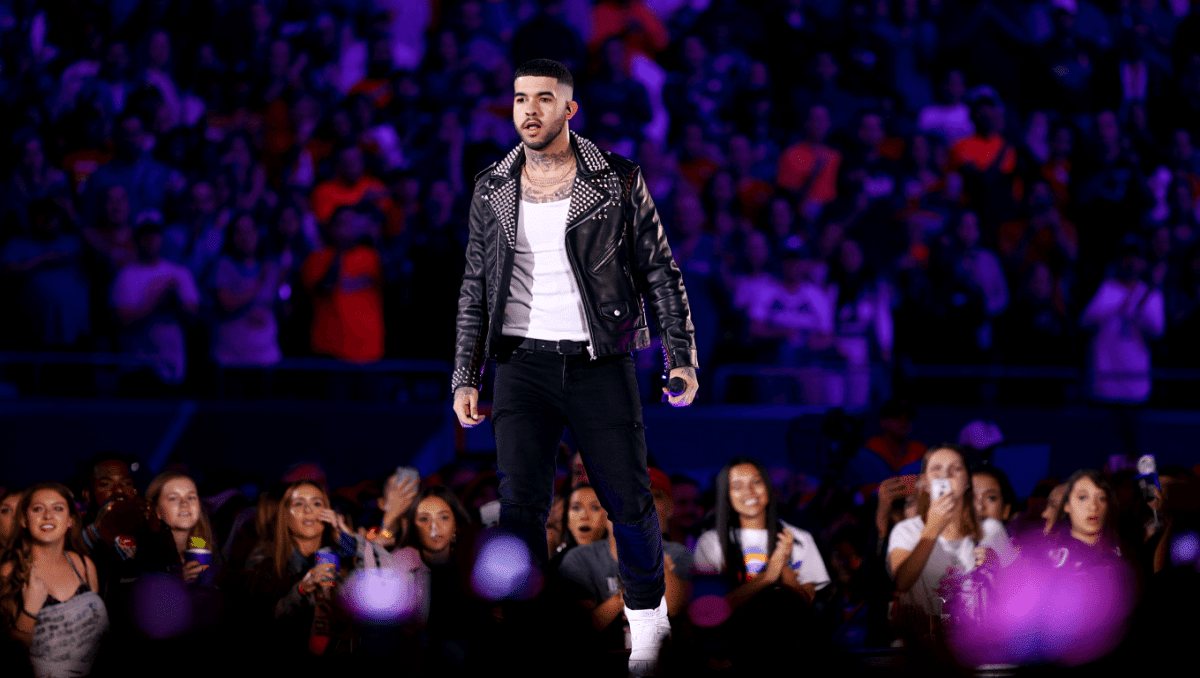
Bad Bunny’s Super Bowl halftime performance has reignited an online debate after English translations of several songs circulated widely. The mix of sensual lines, cultural references, and a language gap sent parts of Twitter into a frenzy while fans defended the show as pure energy.
Which translated lines drew the most attention and why
Once lyrics were translated, some listeners pointed to sexually explicit passages and deemed them inappropriate for a family audience. Others argued that the fury says more about who’s complaining than about the music.
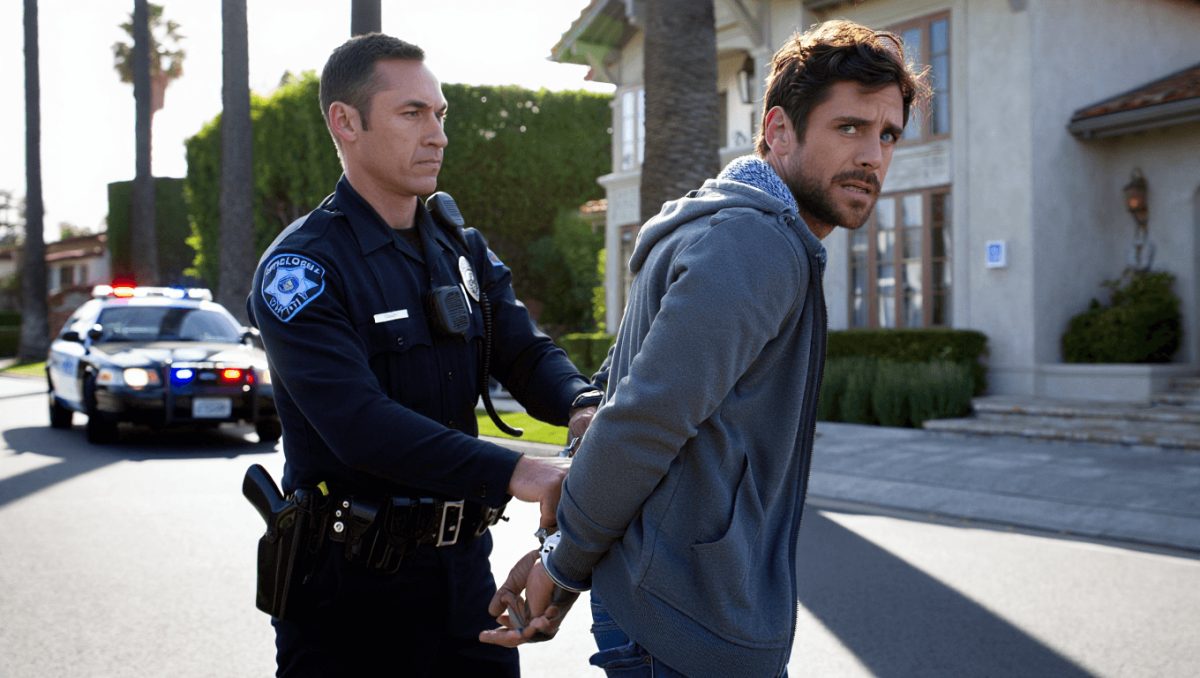
Nickelodeon star arrested after alleged Malibu burglary
Euphoria season 3: Sydney Sweeney left off set as feud with Zendaya intensifies
Key songs under the microscope
- Tití Me Preguntó — A playful look at relationships and commitment fears. Critics grabbed onto a few braggadocious lines about casual encounters. Fans say the song is more about persona than promotion of behavior.
- Yo Perreo Sola — Framed from a woman’s viewpoint, this track defends dancing alone and avoiding harassment. Translations mention dancing and flirtation, which some branded inappropriate, despite the song’s emphasis on autonomy.
- Safaera — The most frequently cited for explicit language. Translated excerpts describe sexual acts candidly, prompting calls for sanctions from some viewers.
- El Apagón — A politically minded piece that also includes repeated, blunt phrases invoking national identity and desire. That repetition became a talking point for both critics and advocates.
How Twitter split between outrage and defense
Reactions were vivid and varied. Some users demanded fines or FCC action. Others mocked the backlash as performative outrage.
- Calls for regulatory review: Viewers asked broadcasters and regulators to respond to content they labeled indecent.
- Accusations of hypocrisy: Critics compared the backlash to other controversial performances that drew less scrutiny.
- Fans focused on vibe: Many non-Spanish speakers said the show’s energy mattered more than literal translations.
- Online humor and pushback: Memes and sarcastic replies highlighted translation errors and misattributions.
What most of the set actually sounded like — tame moments and exceptions
Beyond a few explicit lines, a substantial portion of the set leaned into love, nostalgia, and career reflection.
- MONACO — A track about rising from humble roots. It contains no overtly sexual content.
- Duet moments and ballads — Songs featuring more melodic storytelling were softer in tone.
- Several upbeat tracks — Many selections focused on dancing and celebration, with only occasional coarse language.
- Short explicit lines — A handful of songs included blunt sexual references, which critics amplified when shared out of context.
Why the language gap and cultural context matter
Translations rarely carry full nuance. A literal English rendering can sound harsher than the original Spanish line.
- Idioms and slang shift tone. What reads explicit in translation might read playful in the original.
- Performative persona: Artists sometimes adopt exaggerated characters on stage.
- Selective sharing fuels outrage. Clips or translated lines dropped into timelines can skew perception.
- Different standards across media. What one audience calls indecent may be ordinary in another cultural conversation.
Broader debate: entertainment values, regulation, and double standards
The episode reopened questions about who gets labeled offensive and why. Some commentators pointed to inconsistent enforcement across genres and events.
- Regulatory talk: A subset of viewers urged broadcasters and regulators to act, citing family-viewing standards.
- Comparisons to other artists: Critics referenced past performances they felt received softer scrutiny.
- Political overtones: The controversy became entangled with larger cultural disputes about representation and taste.
How fans describe the halftime show’s overall impact
Supporters emphasized performance, cultural pride, and the global reach of Latin music. Many framed the set as a moment of visibility rather than provocation.
- Vibe over verbatim: Non-Spanish speakers described the show as rhythm-driven and visually striking.
- Community pride: For many viewers, the appearance signaled recognition for Latin artists on a global stage.
- Pushback against moralizing: Defenders dismissed parts of the backlash as generational or politically motivated.