Show summary Hide summary
A shipment of 27,000 bottles of Jupiter’s best-selling anti-dandruff shampoo was stolen in late 2025, then quietly recovered — and the brand turned the episode into a full-scale marketing stunt. What began as a supply-chain headache has become a playful public campaign aimed at driving retail momentum and sparking customer conversations.
How the theft played out and the recovery effort
The shipment, valued at roughly $500,000 in retail inventory, was en route from a Los Angeles manufacturer to Jupiter’s Kentucky distribution hub.
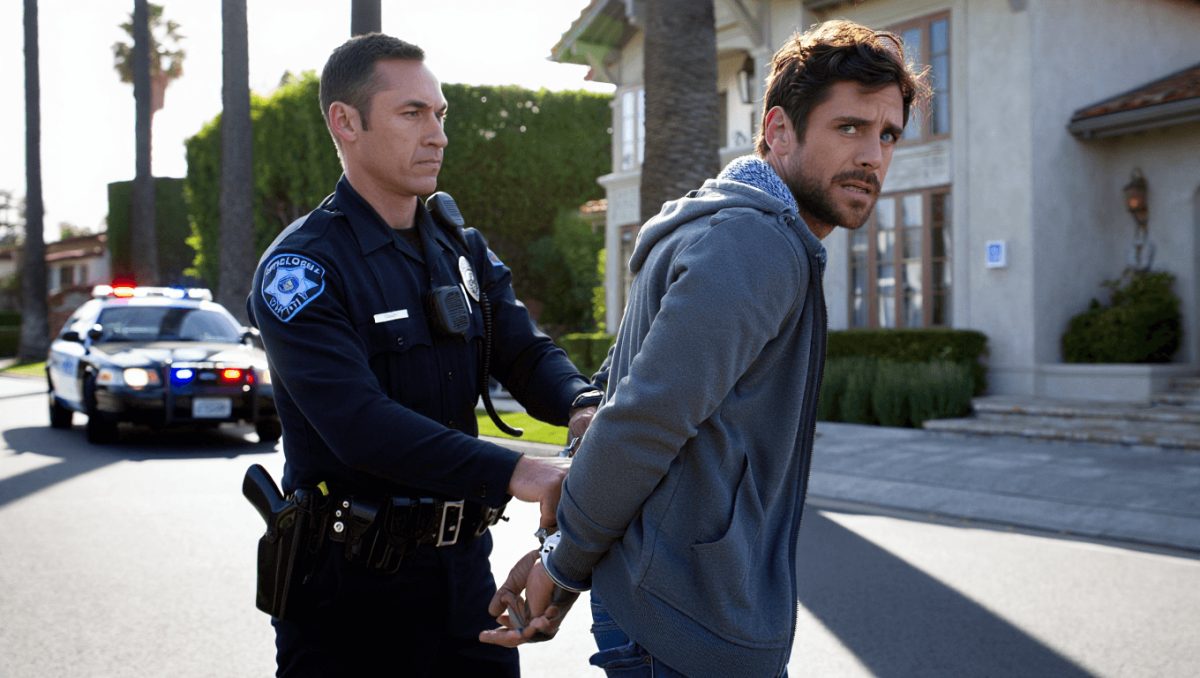
Nickelodeon star arrested after alleged Malibu burglary
Euphoria season 3: Sydney Sweeney left off set as feud with Zendaya intensifies
Jupiter says the driver was hired through a bogus company using forged documents. The stock was intended for holiday restocking at major retailers.
After reporting the incident, the company hired a private investigator and coordinated with California’s cargo theft task force. The bottles were recovered last month.
Turning a mishap into a marketing moment
Rather than bury the story, Jupiter’s leadership decided to lean in. Co-founders encouraged the marketing team to build a playful campaign around the incident.
The result is a tongue-in-cheek campaign called “The Shampoo Heist”, positioned with the tagline, “Yep, it’s that good.”
Brand director Shelby Newell says the creative choice reflects the oddity of the crime: who steals dandruff shampoo? That absurdity became a hook to engage shoppers and reporters.
Product updates and the push into Target and beyond
Jupiter quietly repositioned its core product in early 2025 as part of a broader retail strategy.
- Updated formulas and refreshed packaging rolled out last year.
- Prices were adjusted in February 2025 ahead of major retail placements.
- The brand now lists about 1,100 Target locations, plus Amazon and its direct-to-consumer site.
The company is shifting messaging away from a narrow dandruff label toward a broader daily hydration promise. That aims to attract users with occasional dry scalp who want an everyday shampoo.
Creative execution: video, clues, and real-world stunts
The campaign blends comedic content with participatory activations.
A short video stars creator Erika Priscilla, who portrays multiple characters in a mock news investigation. The tone is investigative, but playful.
Campaign elements include:
- A digital “case file” with hints and interactive clues.
- Influencers appearing as part of the fictional probe.
- Paid media pushes and in-store promotions timed to retail availability.
- Out-of-home “wanted” posters placed around New York City.
- An in-person scavenger hunt on February 23 with hidden products and a $1,000 prize.
- A two-week online sweepstakes awarding one winner a lifetime Jupiter subscription.
These activations are designed to create shareable moments and drive foot traffic to retailers.
Industry context: why storytelling matters in beauty
Marketing executives say beauty brands now compete on narrative as much as on product.
Agencies point to crowded shelves and a surge of new entrants in recent years. One firm noted that a large share of new brands launched recently were in beauty and personal care.
That density forces brands to find cultural hooks that invite participation. Jupiter’s approach avoids a perfunctory apology and instead creates an interactive storyline.
Turning a real incident into a campaign gives consumers a reason to engage, not just to receive a message.
Goals, metrics and the test of wider appeal
For Jupiter, the heist concept is both a publicity moment and a marketing test.
- Primary goals include boosting social followers and increasing awareness among mainstream shoppers.
- Retail metrics to watch are in-store sales lift and conversion at Target locations.
- Engagement measures will include participation in the scavenger hunt and sweepstakes entries.
- Longer-term aims are expanding beyond dandruff care and into daily-hydration positioning.
Jupiter’s team hopes the stunt drives more visibility and turns new customers into repeat buyers.