Show summary Hide summary
- Why shoppers are urging a Frida Baby boycott
- How fans and critics are reacting online
- Frida Baby’s official stance and rationale
- PR and crisis experts on brand risk
- Frida Baby’s pattern of provocative marketing
- Internal signals and online traces
- How this debate frames trust for baby brands
- Practical response options for brands facing similar backlash
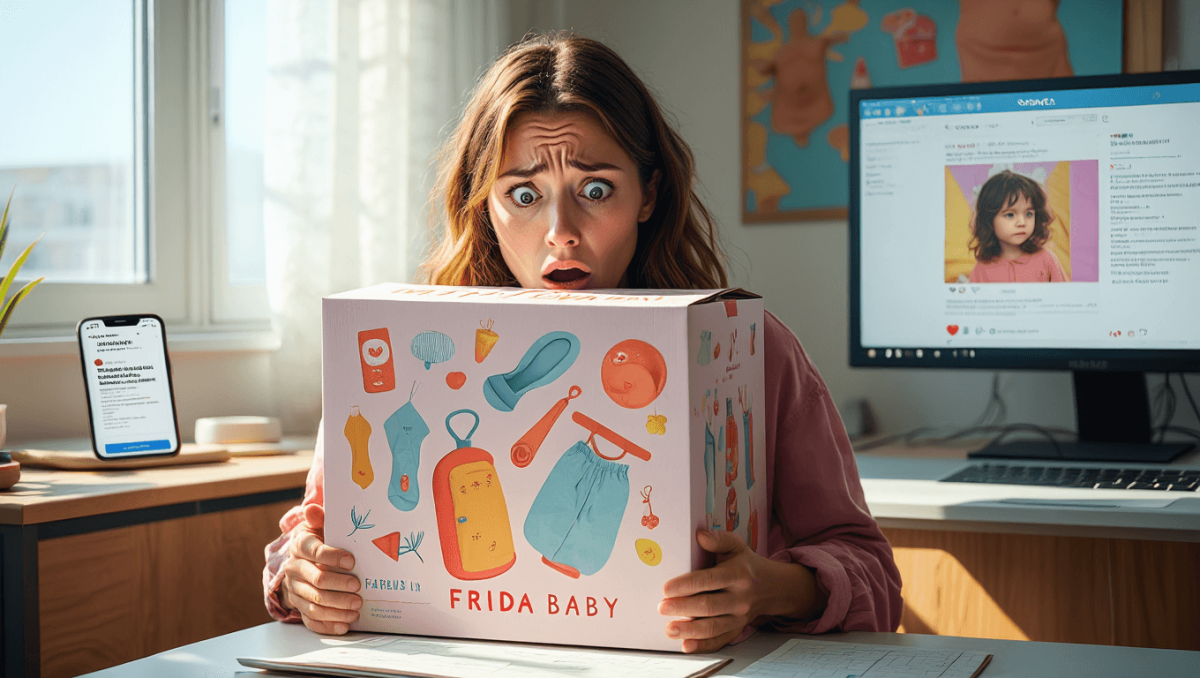
A wave of online outrage has swept through parenting communities after users spotted sexual innuendo on packaging and in ads from Frida Baby. The controversy has prompted calls for a boycott, a petition with thousands of signatures, and a wider debate about how far a baby brand can push edgy humor.
Why shoppers are urging a Frida Baby boycott
Consumers flagged several examples of suggestive copy tied to infant products. Posts on X, TikTok, Facebook and Reddit turned up lines many found inappropriate for baby items. Two of the most-circulated examples:
United Polaris Studio suites: tickets now on sale for April inaugural flights
Auston Matthews-Radko Gudas controversy: Pierre LeBrun predicts fallout
- The side of a Frida 3-in-1 thermometer box reads, “How about a quickie?”.
- A Facebook caption for the same thermometer reportedly said the product was, in essence, “the closest your husband’s gonna get to a threesome.”
Social users called the language “vile” and “disturbing,” and a Change.org petition demanding accountability has gathered more than 1,500 verified signatures. Frida Baby has restricted comments on recent Instagram posts as the backlash built.
How fans and critics are reacting online
Reaction has split. Some parents say the copy was a misguided attempt at humor aimed at sleep-deprived adults. Others view it as unacceptable for packaging attached to baby care items.
- Critics urged a boycott and branded the messaging as “sick and twisted.”
- Defenders argue the brand has long leaned into irreverent messaging to connect with exhausted caregivers.
Modern Retail found the “How about a quickie?” line on a Target product page for the thermometer. A Facebook video with the “threesome” line now shows as “no longer available,” but it still appears in some search results.
Frida Baby’s official stance and rationale
In an email to media, Frida described its tone as intentionally humorous and adult-focused. The company said it aims to make raw parenting moments feel more bearable by using levity. Frida emphasized that its products are for babies but its voice speaks to the adults using them.
The statement stressed that the brand does not intend to shock for the sake of shock, or to make anyone uncomfortable.
PR and crisis experts on brand risk
Communications professionals say the matter raises clear reputation risks for a family-focused brand. Key perspectives include:
- Andy Barr, a PR and crisis pro, said the packaging stopped him cold and felt in poor taste for a kids’ product line. He noted edgy humor can work in some categories, but not when items directly relate to infants.
- Kate Hartley, a crisis specialist, praised some of Frida’s past campaigns but urged caution. She believes sexual innuendo should be off-limits for child-related products.
- Anjali Bal, a marketing professor, pointed out that a joke between parents differs from a company publishing sexualized copy on packaging that features babies.
Experts also noted two practical risks: the potential for coordinated amplification of outrage, and the sales impact. Some comments on social channels appear bot-like, Hartley said, while Bal warned that remaining silent tends to frustrate consumers.
Frida Baby’s pattern of provocative marketing
The brand has a history of attention-grabbing campaigns that blur the line between candor and controversy. Examples include:
- An Instagram tease that said, “Take your top off.”
- A limited-edition breast milk ice cream promoted with cup-size humor.
- Billboards smeared with real nasal mucus to promote a nasal aspirator.
- Past social posts using cheeky lines such as “Lube it up” and “Parenting gives sucking a whooooole new meaning.”
Frida also operates sister brands Frida Mom and Frida Fertility. The company launched in 2014 and became known for products like the gas-relief Windi. It has received endorsements from parenting outlets such as What To Expect and Babylist.
Internal signals and online traces
As the fallout grew, parts of Frida’s site were changed or taken offline. Observers noted the company’s “Meet the team” page was temporarily unavailable. An archived version showed the director of packaging listed as a man, a detail some users highlighted while criticizing the copy choices.
Not all items shared by users were independently verified. Still, a number of the contentious slogans were searchable and visible on retailer listings or in cached pages.
How this debate frames trust for baby brands
The incident underscores the fragile trust between parents and companies that serve them. Experts say double entendres can work for mature-audience products but carry extra risk for family goods. One marketing scholar compared the situation to an old IKEA ad joke that landed differently because the product did not feature infants.
When a company’s visual identity includes babies, even lighthearted adult humor can feel inappropriate.
Practical response options for brands facing similar backlash
- Act quickly: a timely, transparent response can limit escalation.
- Listen first: gather feedback from core customers before responding publicly.
- Audit creative: review packaging and copy for potential misreads or triggers.
- Engage independent reviewers: parent focus groups can flag tone problems early.
- Control amplification: watch for coordinated or bot-driven campaigns and address them in analysis, not emotion.