Show summary Hide summary
- Why the monks set out on a cross-country pilgrimage
- Route highlights and what 2,300 miles looked like
- Daily routine on the road: simplicity and shared labor
- Arriving in Washington, D.C.: images that struck a chord
- Public reactions: quiet welcome and viral emotion
- Community events and interfaith encounters along the way
- What the walk signaled for activism and mindfulness in public life
- Next steps for the monks and the movement they’ve inspired
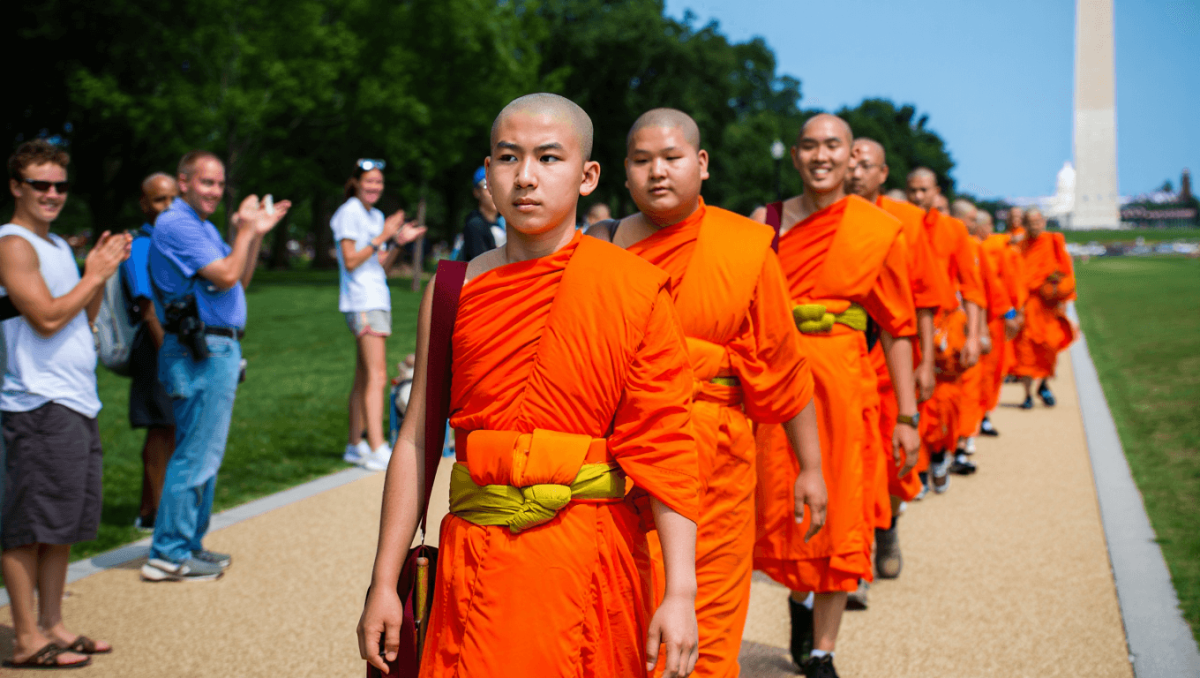
The arrival of a team of Buddhist monks in Washington, D.C., after a roughly 2,300-mile trek across the United States has touched thousands. Stirring photographs of the procession through the capital show quiet determination, warm greetings from strangers, and moments of stillness that contrast with the city’s usual rush.
Why the monks set out on a cross-country pilgrimage
The walk was framed as a pilgrimage for peace and mindful connection. Organizers described it as a way to bring attention to compassion, climate care, and community healing.
Knicks superfan Ben Stiller skips Oscars to watch gritty win over Warriors
U.S. embassies warn: 5 new travel alerts after demonstrations spread
The journey blended spiritual practice with public witness. It invited people to slow down and reflect alongside the walkers, rather than simply observe them from a distance.
Route highlights and what 2,300 miles looked like
The route threaded through small towns, suburbs, and city streets. Days varied from long rural stretches to short urban segments.
- Distance covered: about 2,300 miles total.
- Terrain: highways, country roads, city sidewalks.
- Stops: temples, community centers, parks, and public squares.
Each stop was planned to include gatherings where locals could meet the monks, ask questions, or join in a short meditation.
Daily routine on the road: simplicity and shared labor
The walkers kept to a disciplined yet simple schedule. Practice, rest, and conversation took priority over speed.
- Mornings: silent walking and group meditation.
- Afternoons: public events, talks, and refreshments with hosts.
- Evenings: communal meals and rest.
Volunteers handled logistics, while the monks focused on practice and outreach. This created a model of shared care that communities noticed.
Arriving in Washington, D.C.: images that struck a chord
Photos of the arrival showed long lines of clerical robes moving through iconic streets. Some images captured palms pressed together, others caught small children offering flowers.
Several pictures went viral on social platforms. Viewers commented on the contrast: soft ritual amid towering monuments, calm steps against the backdrop of busy traffic.
Public reactions: quiet welcome and viral emotion
The response ranged from silent support to active participation. People of many backgrounds came out to watch, take photos, or sit in meditation with the group.
- Strangers offered water, snacks, and shelter.
- Local leaders joined public dialogues and interfaith moments.
- Social media amplified images, leading to nationwide attention.
Many described the scene as unexpectedly moving. The photographs captured an emotional blend of humility, resilience, and shared humanity.
Community events and interfaith encounters along the way
At each stop, hosts organized talks, vigils, or simple ceremonies. These events often included music, readings, and opportunities for dialogue.
Common elements at public gatherings
- Short guided meditations open to all.
- Q&A sessions about practice and purpose.
- Shared meals and neighborhood outreach projects.
These encounters helped translate a long walk into a living conversation about how to care for one another and the environment.
What the walk signaled for activism and mindfulness in public life
The pilgrimage blurred lines between spiritual practice and civic engagement. The monks modeled a calm, sustained presence as a form of advocacy.
Photographs of the arrival amplified that message, turning quiet rituals into widely seen symbols of persistence and hope.
Next steps for the monks and the movement they’ve inspired
After the arrival, plans included additional gatherings, local workshops, and continued outreach across communities. Supporters hope the images will spur more conversations.
The visual impact of the journey—especially the D.C. arrival photos—continues to motivate volunteers and onlookers. The effort remains a living campaign that invites participation rather than offering a closed ending.