Show summary Hide summary
- Roots and training: how New York shaped a Hollywood chameleon
- First film moments: a silent but searing debut
- The 1970s: a relentless run of landmark films
- Recognition and a quieter triumph: the Oscar for Tender Mercies
- Later career highlights: breadth, character work and television love
- Away from the camera: family, farm life and a private retreat
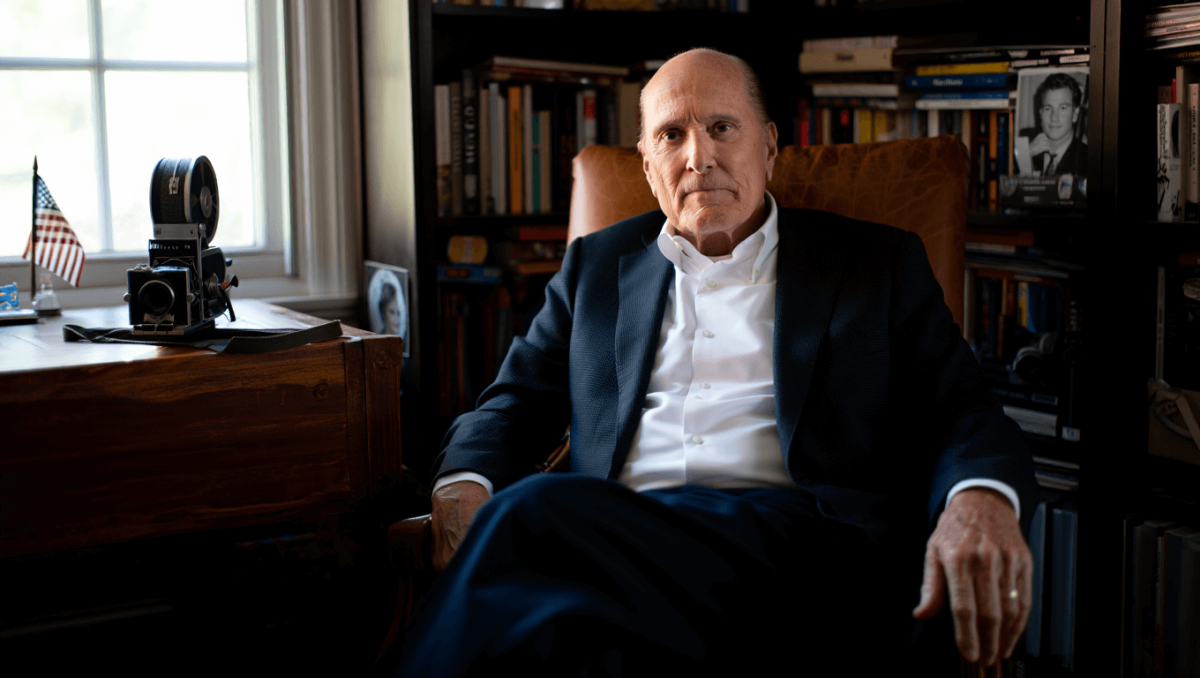
Robert Duvall, a towering figure of American cinema, died at 95 at his Virginia home. He leaves behind a legacy of unforgettable characters and a career that reshaped modern film acting. From quiet intensity to explosive fury, Duvall’s screen presence felt inevitable — as if the roles were discovered inside him rather than invented.
Roots and training: how New York shaped a Hollywood chameleon
Born in San Diego, Duvall found his craft in New York. He studied under Sanford Meisner and shared apartments and rehearsal rooms with actors who would become legends.
United Polaris Studio suites: tickets now on sale for April inaugural flights
Auston Matthews-Radko Gudas controversy: Pierre LeBrun predicts fallout
- Early mentors: Sanford Meisner taught him emotional truth onstage.
- Peers: Dustin Hoffman, Gene Hackman and James Caan were friends and collaborators.
- Theater work: regional and off-Broadway stages honed his instincts.
Those years taught him to keep performances rooted in temperament. He believed authenticity, not excess, made a role believable.
First film moments: a silent but searing debut
Duvall’s first major movie appearance came as a mysterious recluse in a classic courtroom drama. Though nearly wordless, his presence communicated danger, compassion and a new kind of cinematic subtlety.
His Broadway debut followed, and small television roles kept him working through the 1960s. Each part sharpened his ability to make minimal gestures feel monumental.
The 1970s: a relentless run of landmark films
The decade turned Duvall into a defining screen actor. He moved between genres with ease. Directors turned to him for roles that needed both menace and restraint.
- M*A*S*H — He played Major Frank Burns with a stiff, brittle arrogance.
- THX 1138 — A dystopian debut from George Lucas paired Duvall with a new wave of filmmakers.
- The Godfather — As Tom Hagen, he conveyed quiet menace and surgical calm.
- Network — He nailed the corporate ruthlessness of a TV executive.
- Apocalypse Now — In a shirtless, unforgettable turn as Lt. Col. Bill Kilgore, he delivered the movie’s most quoted line.
Those films brought him multiple Academy Award nominations. Directors praised his ability to make even a short scene feel like the heart of the movie. Critics noted his forcefulness and control.
Recognition and a quieter triumph: the Oscar for Tender Mercies
In 1983, Duvall won the Academy Award for Best Actor. He played a washed-up country singer trying to rebuild his life. The role demanded restraint.
He performed his own singing and made most of the performance through small gestures and long, quiet looks. Reviewers singled out the film for its subdued power and emotional honesty.
Later career highlights: breadth, character work and television love
After his peak period, Duvall continued to work steadily. He moved between leading roles, memorable supporting parts and television projects.
- Lonesome Dove — His role as Gus McCrae on the Western miniseries remained a personal favorite.
- Newsies and The Paper — He explored family entertainment and comic drama.
- Final films included contemporary period pieces and thrillers, with his screen work extending into the 2020s.
Across decades, he appeared in dozens of films and earned praise for his adaptability. Audiences remembered him for both iconic lines and quiet, emotional beats.
Away from the camera: family, farm life and a private retreat
Duvall married Argentine actress Luciana Pedraza in 2005. They met years earlier while he was working abroad. The couple lived largely out of the public eye.
- Byrnley Farm: He bought a 360-acre property in The Plains, Virginia, and settled there.
- Roots: Childhood time on ranches gave him a lifelong respect for horses and western life.
- Personal life: He had no children and preferred a quieter domestic routine in later years.
He often spoke fondly of Virginia as a place of peace and belonging. The land became central to his private life as his public profile mellowed.