Show summary Hide summary
- Early champions push back: Adrianne Curry and Danielle Evans on Tyra and tactics
- Former stars calling out production and reputation management
- Mid-era champion Lisa D’Amato: “It felt like warfare” and plans to speak further
- Winners from later seasons reflect on change: Eva Marcille and India Gants
- Common threads: what winners are saying about ANTM’s legacy
- What to watch for next: follow-ups and competing documentaries
Netflix’s new three-part documentary Reality Check has reignited debate about America’s Next Top Model. Former winners have started to respond, and their takes range from stunned to scathing. Below, their reactions are grouped by era, with the issues they raise and what it could mean for the show’s legacy.
Early champions push back: Adrianne Curry and Danielle Evans on Tyra and tactics
Adrianne Curry, the show’s first-ever winner, watched the Netflix doc and praised Tyra Banks for standing her ground. She said she respects that Tyra declined to apologize and resisted pressure to grovel for public forgiveness.
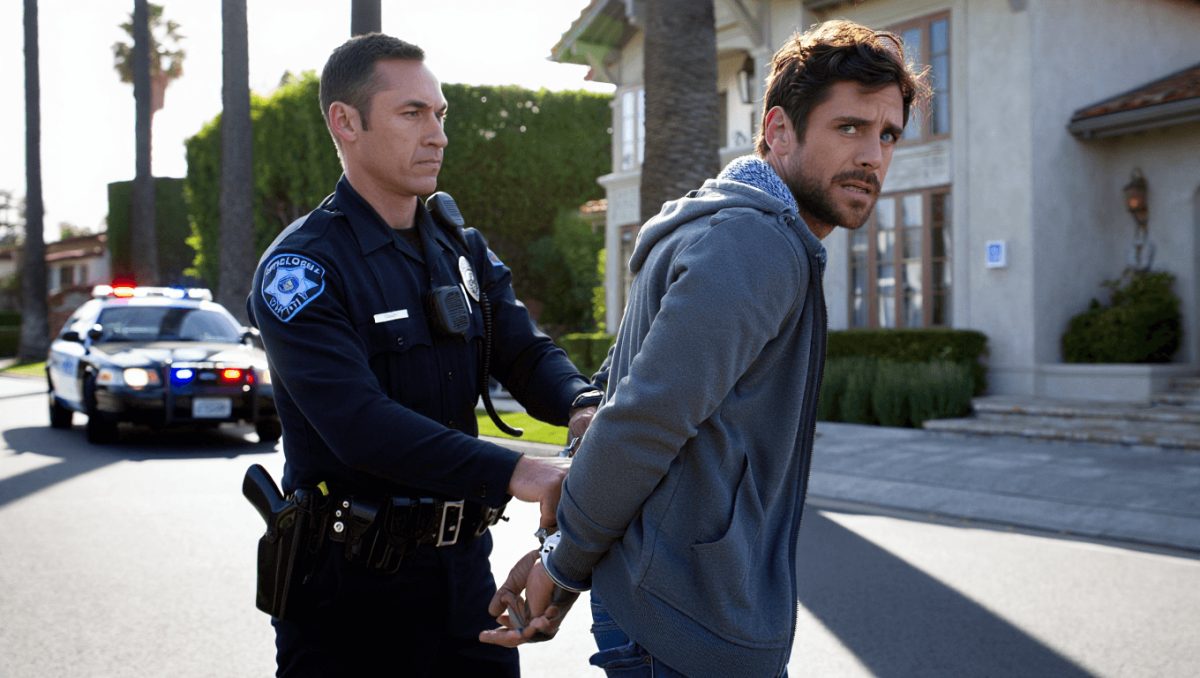
Nickelodeon star arrested after alleged Malibu burglary
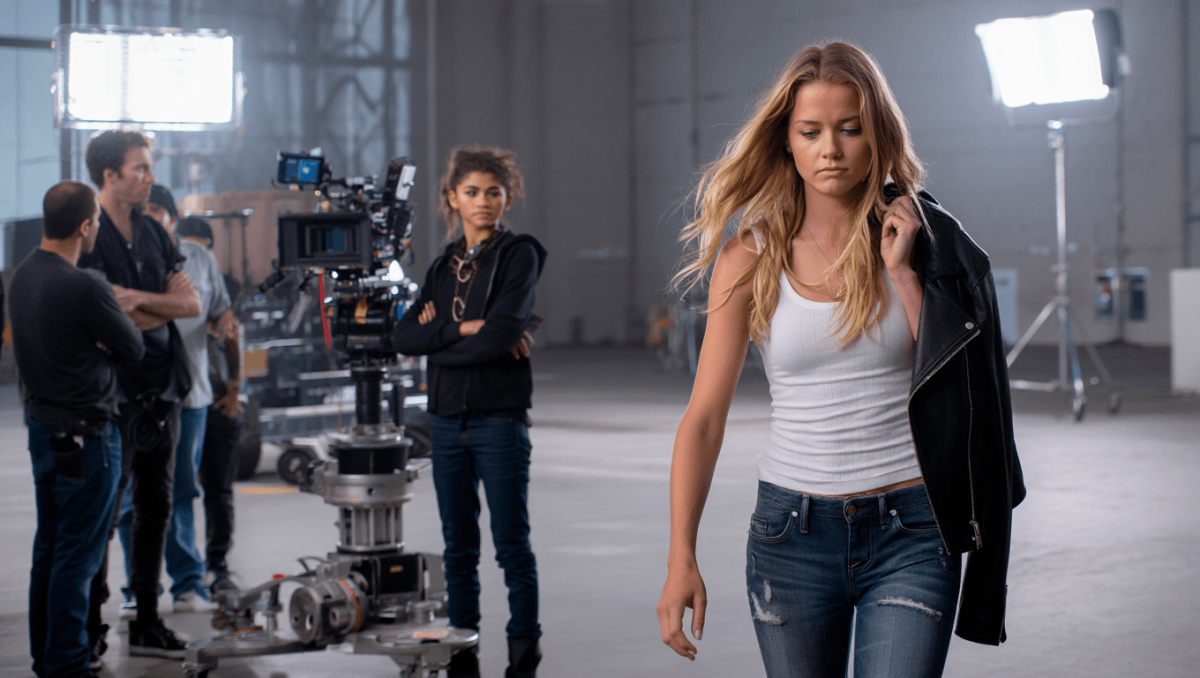
Euphoria season 3: Sydney Sweeney left off set as feud with Zendaya intensifies
Danielle Evans, who won later in the 2000s, was upset by the documentary’s portrayal of decisions made about contestants’ appearances. She challenged the idea that altering her smile was about career advice, arguing it served the show’s drama instead. Danielle also pointed to inconsistent beauty directives on set when different contestants were encouraged to change the same feature in opposite ways.
- Key concern: editorial choices that prioritized TV moments over contestants’ well-being.
- Example issue: dental changes framed as career advice, but contested by alumni.
Former stars calling out production and reputation management
Several winners went beyond isolated complaints to question the documentary’s angle and who shaped the narrative.
- Accusations of image control: Some alumni say the doc softens the show’s harsher elements to shield its creator.
- Commercial motives suggested: A few former champions suspect the program aims to repair brands and protect future business opportunities.
These critiques focus on whether Reality Check offers true accountability, or careful framing that benefits those still profiting from the franchise.
Mid-era champion Lisa D’Amato: “It felt like warfare” and plans to speak further
Lisa D’Amato, winner of Cycle 5 and later an All Stars titleholder, has been among the most vocal critics. She described the original production as emotionally damaging and said the show’s presentation minimized real harm.
Lisa argues the Netflix series dips into protective storytelling and that more candid accounts belong in outlets willing to be critical. She announced participation in a competing documentary intended to surface tougher behind‑the‑scenes testimony.
- Her main points: the show’s editing, psychological pressure on contestants, and the need for accountability.
- Next steps: joining another documentary to present fuller, less filtered experiences.
Winners from later seasons reflect on change: Eva Marcille and India Gants
Contestants from later cycles reacted with surprise when they watched the series, saying earlier controversies were largely unknown to them.
Eva Marcille, a winner from an early-but-not-first cycle, said she was shocked to learn the full history. She described feeling like an insider who had missed parts of the story, and was taken aback by revelations about how contestants were managed.
India Gants, who won near the show’s end, emphasized that the series evolved over time. She noted that by her cycle many of the worst practices appeared less visible, but that watching the doc opened her eyes to decisions made in earlier seasons.
- Observation: later seasons may have changed format and tone, but past practices left lasting effects.
- Reaction: alumni from different eras view the show through distinct lenses.
Common threads: what winners are saying about ANTM’s legacy
Across statements, several recurring themes appear. These shape the ongoing conversation about the franchise and its cultural footprint.
- Production influence: winners point to heavy editorial and creative control that shaped contestants’ images.
- Mental health concerns: many describe pressure and tactics that prioritized ratings over wellbeing.
- Mixed messages on appearance: alumni dispute claims that changes were solely for career benefit.
- Accountability vs. image rehab: debate continues over whether newer narratives seek truth or reputation repair.
What to watch for next: follow-ups and competing documentaries
The conversation is far from over. Some former stars are signing up for alternative projects that promise more critical perspectives.
- New documentaries aim to surface testimonies omitted from mainstream pieces.
- Expect continued media interviews and social posts from alumni with differing views.
- Public reactions will likely influence how future retrospectives treat the franchise.