Show summary Hide summary
- What changed at the Vanity Fair Oscars party
- Why the Trump team was left off the list
- Mark Guiducci’s strategy: back to basics for an A-list fete
- Notable coverage that didn’t open doors
- Rules for press, social media, and the guest experience
- A brief history: from 100 guests to a global institution
- Who’s been spared and who’s been seen
- Venue changes and logistical updates for this year
- What to watch this awards season
Vanity Fair has dramatically tightened its guest list for the Oscars, and the change has already stirred conversation across Hollywood and Washington. New editorial leadership is reshaping one of awards season’s most coveted parties, cutting invites and redrawing the line between sheer fame and industry clout.
What changed at the Vanity Fair Oscars party
The magazine’s annual post-Oscars reception has been scaled back. Insiders say the invite list was reduced by roughly half. The stated goal is to restore the event’s exclusivity.
United Polaris Studio suites: tickets now on sale for April inaugural flights
Auston Matthews-Radko Gudas controversy: Pierre LeBrun predicts fallout
- Fewer brand partners and industry-adjacent guests will attend.
- Only top-tier film figures and those with serious awards credentials are prioritized.
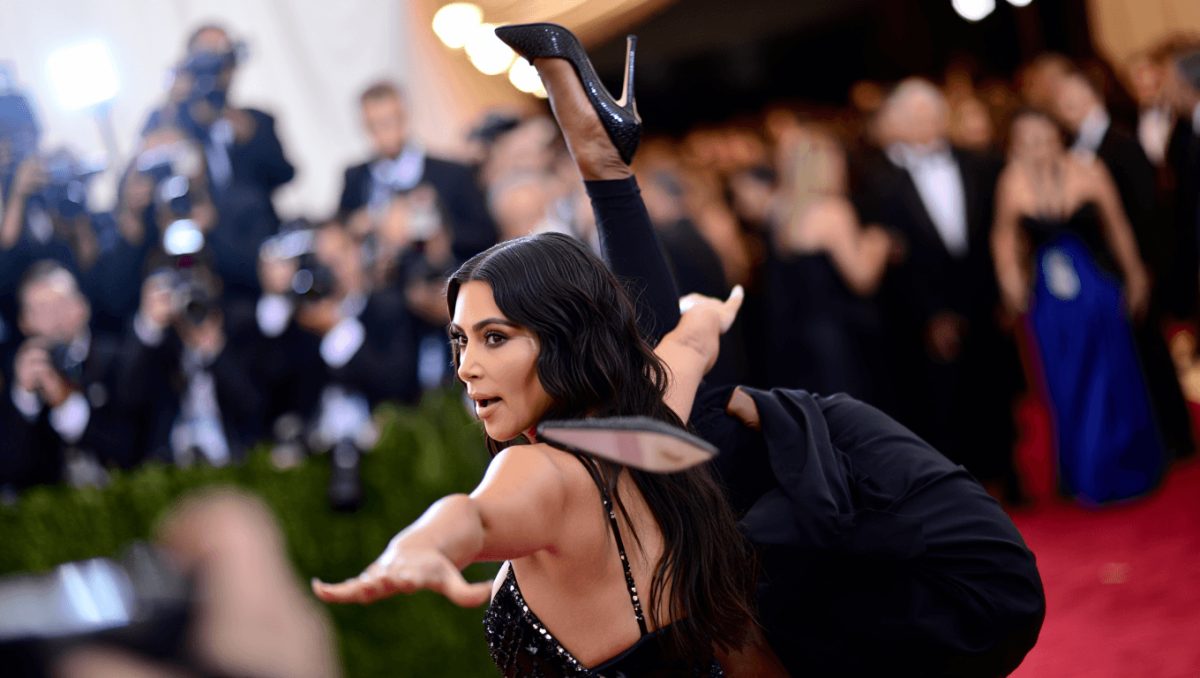
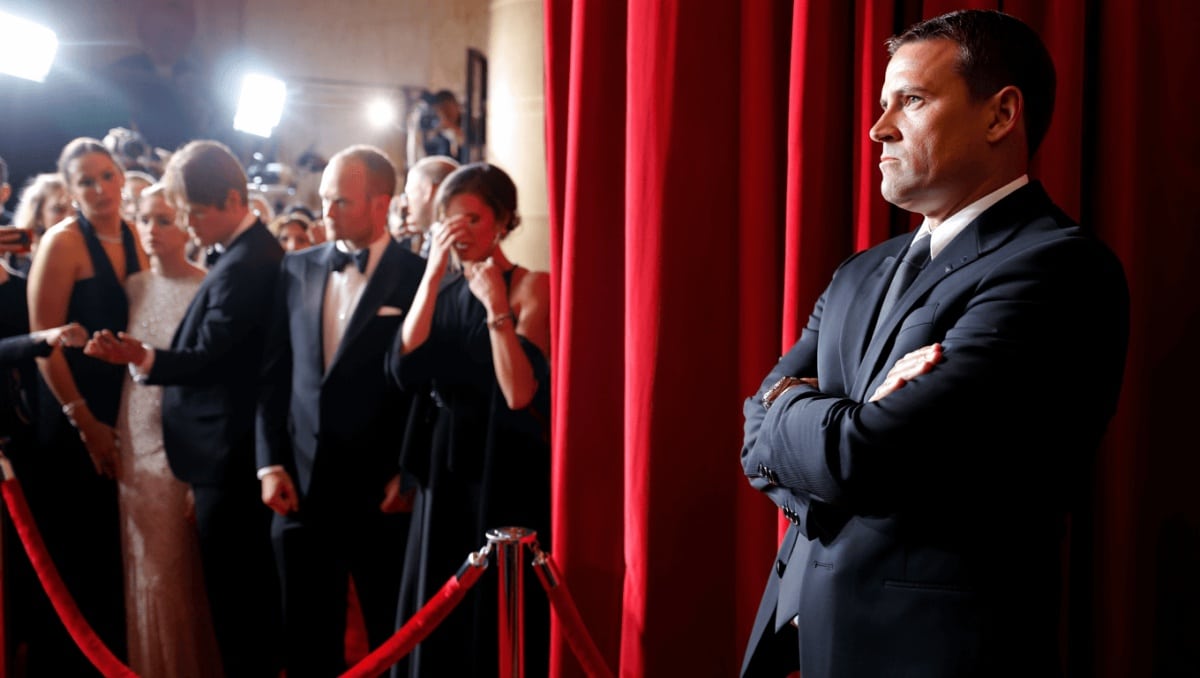
- Press access is being limited to the red carpet; social posts inside the party will be restricted.
Sources confirm that members of the current Trump administration were not invited, a decision that signals a sharper editorial distance between the magazine’s party organizers and the White House staff.
Why the Trump team was left off the list
The decision to exclude officials from the Trump administration reflects the new editorial direction. While Vanity Fair has profiled figures from the administration, that coverage did not translate into invite status.
People familiar with the guest selection say political affiliation alone is not the reason. Instead, the party’s cull focuses on cultural relevance within the film world. Even high-profile Washington figures can fall short if they lack a clear connection to cinema or awards season.
Vanity Fair’s door is now more tightly tied to film credentials and star power on the Oscar circuit. Publicity around a profile or a documentary does not guarantee entry.
Mark Guiducci’s strategy: back to basics for an A-list fete
Since taking over the magazine’s editorship in June, Mark Guiducci has signaled a return to a more selective guest mix. The move echoes early days when invitations were handed out with a strict eye for true Hollywood power.
Staff and contributors describe the change as a deliberate pullback from the party’s expansion. In recent years, the guest list had grown to include marketing partners, media buyers, and other industry-adjacent attendees. Guiducci’s team wants the room to feel like the old guard again.
How the new criteria work
- Winning or contending for Oscars carries the most weight.
- Established film stars and key studio leaders are prioritized.
- Editorial discretion plays a large role when celebrity ties are peripheral.
The aim is simple: fewer faces, more film-focused talent, and a tighter sense of who belongs at the center of awards night.
Notable coverage that didn’t open doors
Guiducci’s editorship produced a high-profile, deep-dive profile into Susie Wiles and several MAGA-affiliated figures. Despite the attention the story drew, it did not translate into representation for the White House at the party.
Similarly, recent forays by figures connected to the Trump orbit into Hollywood projects — including documentaries and other media ventures — were not enough to secure invitations, according to sources.
Rules for press, social media, and the guest experience
The party’s organizers are also tightening operational controls.
- Press will largely be confined to the red carpet area.
- Organizers plan to limit in-party social media activity.
- Access will be chiefly for those with verified status in the film community.
Organizers point to past events with loose social rules and say they want stronger control this year. How strictly these new limits are enforced will be watched closely by media and attendees alike.
A brief history: from 100 guests to a global institution
The Vanity Fair Oscar party began as an intimate event overseen by Graydon Carter in the 1990s. The original guest list was compact and highly selective, with roughly 100 attendees.
- Early attendees included top actors and cultural figures.
- The gathering evolved into one of awards season’s signature nights.
- Over time it grew to accommodate a wider mix of industry players.
Famous attendees over the years have included studio leaders, past presidents’ spouses, and music and film icons. The party has welcomed political figures as well, including members of Congress and vice presidents, when their profiles intersected with Hollywood.
Who’s been spared and who’s been seen
Even with the stricter rules, some political figures have continued to appear in recent years. Names such as Nancy Pelosi and Kamala Harris have been among those seen at the event when invited.
Donald and Melania Trump have attended Vanity Fair’s Oscars gathering in the past, notably in years when their visibility overlapped with Hollywood interests. But this year’s narrowed focus left the current White House staff off the roster.
Venue changes and logistical updates for this year
Alongside the invite shake-up, the party has a new setting. The reception is scheduled at the Los Angeles County Museum of Art, a shift from previous venues.
Organizers say the museum setting suits the reduced, more curated guest list. The move also supports tighter control over access and event flow.
What to watch this awards season
Industry observers will be tracking how the new policy affects the party’s vibe and media coverage. Will a smaller guest list restore the event’s old glamour? Or will tightened rules create fresh controversy?
- Will press and social restrictions hold? Watch the red carpet.
- Will fewer non-film attendees change networking dynamics?
- Will the guest cut prompt similar moves at other high-profile events?