Show summary Hide summary
- How Style Crew grew from an employee pilot to a large creator network
- Connecting creators to marquee Macy’s events and seasonal moments
- From experiments to repeatable creator activations
- Events that turned creators into storefront storytellers
- Commerce performance: storefronts, affiliate commissions, and sales lift
- Building focused communities: beauty, moms, and niche expertise
- Industry context: creator programs as a broader retail strategy
- How Macy’s balances scale with community management
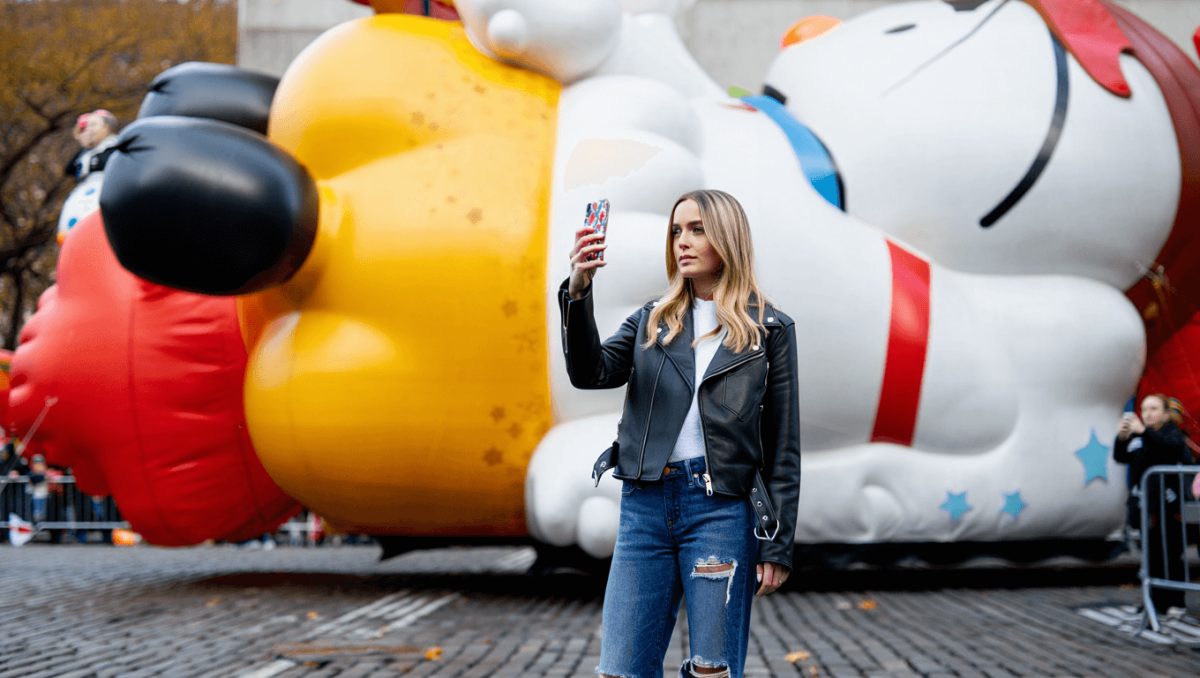
Macy’s is accelerating its influencer playbook in 2026, shifting from mainly digital activations to more real-world moments. The retailer plans to weave creators into headline events such as the Thanksgiving Day Parade, while expanding its Style Crew network to further boost traffic and shopper engagement.
How Style Crew grew from an employee pilot to a large creator network
Style Crew began as an internal program in 2017. It started small. Only a couple dozen employees took part at first. In 2022 Macy’s opened the initiative to outside creators. That change brought a wider set of voices to the brand.
Nickelodeon star arrested after alleged Malibu burglary
Euphoria season 3: Sydney Sweeney left off set as feud with Zendaya intensifies
Today, the program counts about 600 members, mostly everyday creators who recommend products and produce short-form content. Macy’s aims to scale the roster to roughly 1,000 members in the near term, Andrea Port, senior director of social media content and influencer marketing, told reporters.
Macy’s uses the program to amplify marketing across channels. Creators appear in ads, drive shoppers to product pages, and curate commerce storefronts. Those storefronts have recorded a notable lift in sales, signaling the program’s commerce potential.
Connecting creators to marquee Macy’s events and seasonal moments
2026 marks big anniversaries for Macy’s. The retailer will celebrate its 100th Thanksgiving Day Parade and its 50th Fourth of July fireworks. Macy’s plans to pair those moments with in-person influencer programming.
- Pop-up meet-and-greets and category-specific “sip and shop” events.
- Creator-led activations tied to holiday and seasonal campaigns.
- Exclusive preview experiences, such as floral shows and holiday catalog moments.
Port emphasized that real-life gatherings help translate online momentum into awareness around signature events. The brand ran in-person sessions in cities like Dallas, Miami and New York this past year to test formats.
From experiments to repeatable creator activations
After testing in 2025, Macy’s is narrowing in on what worked. Virtual storefronts were rolled out to all Style Crew members. Creators were integrated into direct mail and holiday catalogs. Macy’s plans to double down on these efforts.
The company is also refining creator briefings. Teams now host platform-specific virtual meetings so creators can plan content around upcoming sales and launches. Designers and editorial staff join select calls to give creators context for new collections.
Events that turned creators into storefront storytellers
Macy’s has experimented with a range of live experiences. Last year’s creator-focused Black Friday preview let deal-minded influencers shop early. Other activations included:
- Mother’s Day experiences tied to the Macy’s Flower Show.
- Category-focused pop-ups where top creators spotlighted fashion, beauty, and family products.
- TV and editorial placements that expanded creator visibility beyond social feeds.
These activations aim to make creator-led storefronts feel tangible to consumers. Macy’s has already seen QR-driven traffic from catalog features and other cross-channel placements.
Commerce performance: storefronts, affiliate commissions, and sales lift
Macy’s measures success through traffic and conversions. Creator storefronts have produced a sizable year-over-year increase in sales. The company reports a 478% jump in sales tied to those pages compared with the prior year.
Macy’s operates an affiliate-style model. Average commission rates sit near 12%. Creators can also earn gift cards through monthly challenges and themed promotions.
- Creators curate product collections for holidays and events.
- Shoppers reach storefronts via QR codes, catalogs, and social links.
- Commission incentives and contests encourage frequent posting.
Building focused communities: beauty, moms, and niche expertise
The retailer recognizes that creators cluster around topics. To reflect that, Macy’s started subgroups for niche interests. Beauty creators now receive targeted communications and curated briefings. The brand also runs community events and newsletters with category-specific info.
New programs in 2026 include “Celebrate Boxes” sent to creators for personal milestones like birthdays and weddings. These personalized touches aim to deepen creator affinity and produce authentic content.
Why segmentation matters
Creators who focus on a single niche often build stronger trust with audiences. Macy’s wants those specialists to become ongoing advocates. Port said the community approach has significantly increased posting frequency and engagement within Style Crew.
Industry context: creator programs as a broader retail strategy
Macy’s expansion comes as the retailer executes a broader corporate plan called “Bold New Chapter.” That strategy includes a mix of store closures and investments in other banners. Macy’s has also reported improved comparable sales in recent quarters.
Experts expect more brands to prioritize creator-led content. Quynh Mai, founder of Qulture, notes that consumers place more trust in creator advocacy than traditional ads. As a result, many companies are shifting budgets toward creator programs that run year-round.
How Macy’s balances scale with community management
Instead of chasing sheer numbers, Macy’s aims to maintain meaningful relationships with creators. Port said the focus is on manageable community size and ongoing dialogue. The brand prefers sustained advocacy to short-lived influencer stunts.
To support creators, Macy’s plans to keep regular briefings, invite designers to conversation sessions, and offer more IRL touchpoints. The goal is to equip creators with first-look product access and storytelling opportunities that feel authentic to their audiences.