Show summary Hide summary
Emerald Fennell’s new Wuthering Heights has divided viewers, and one choice stands out: the film omits Hindley Earnshaw. Fans of Emily Brontë’s novel immediately noticed the absence because Hindley shapes Heathcliff’s descent into bitterness. Fennell’s adaptation trims the cast and timeline to tell a tighter, more intimate tale, and that decision changes how the story’s virulent family dynamics read on screen.
Hindley’s original place in Brontë’s Wuthering Heights
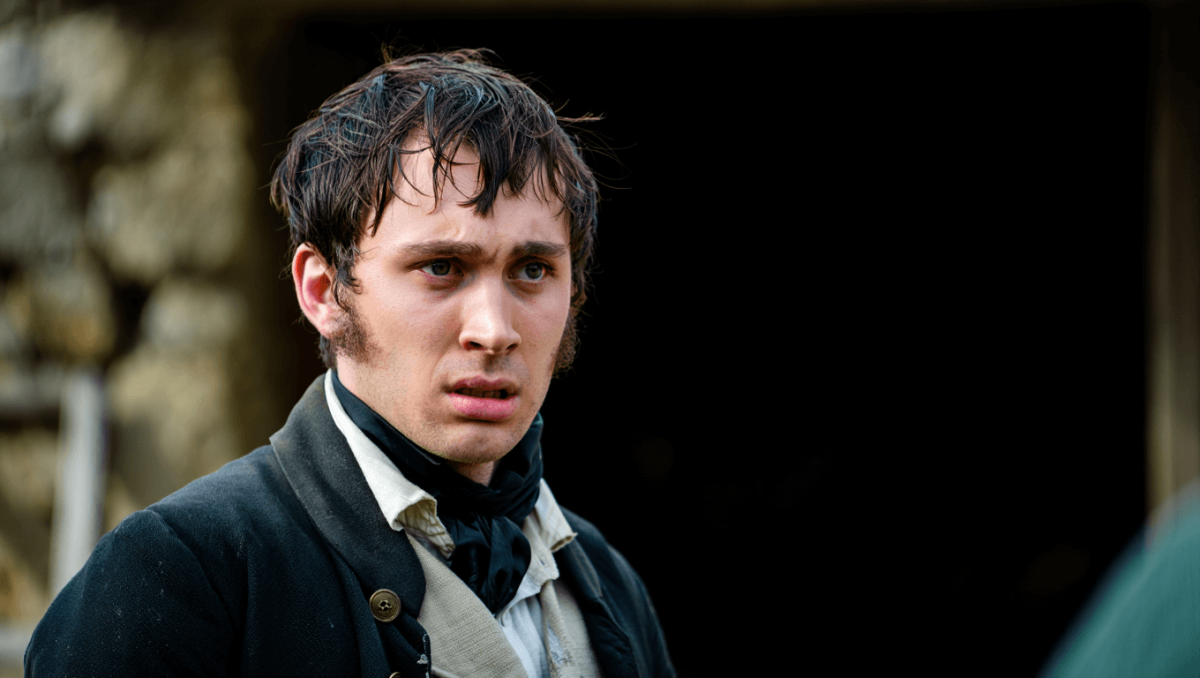
In the novel, Hindley is Catherine Earnshaw’s brother and Mr. Earnshaw’s son. He arrives preloaded with resentment the moment Heathcliff joins the household. Hindley’s cruelty is an early catalyst for Heathcliff’s rage.
United Polaris Studio suites: tickets now on sale for April inaugural flights
Auston Matthews-Radko Gudas controversy: Pierre LeBrun predicts fallout
- Jealous sibling: Hindley resents Heathcliff’s bond with Catherine.
- Abusive figure: He mistreats Heathcliff in ways that echo later violence.
- Self-destruction: Gambling and drink push Hindley into ruin.
- Property and power: Losing Wuthering Heights to Heathcliff marks a major role reversal.
- Family fallout: Hindley’s son, Hareton, grows up deprived of status and inheritance.
How Fennell reshaped that role for the screen
Rather than cast Hindley as a separate character, Fennell compresses his narrative function. The film streamlines the abuse and the power shift by leaning on Mr. Earnshaw to carry darker traits. This is a creative shortcut with clear storytelling reasons.
- Fewer characters make the movie easier to follow.
- Combining roles keeps the runtime manageable.
- It tightens focus on Cathy and Heathcliff’s conflict.
- Some symbolic beats remain, though delivered differently.
Director’s practical reasons for cutting Hindley
Fennell has said she loved the novel’s complexity but needed to condense it. Translating Brontë’s layered structure into a feature-length film forces hard choices. A faithful, scene-by-scene adaptation would likely need series-length time to breathe.
Condensation was deliberate. The choice reflects a production trade-off: more character depth versus cinematic coherence. By folding Hindley’s function into Earnshaw, Fennell preserves thematic intent while simplifying the cast.
What this change means for Heathcliff’s origin story
Removing Hindley shifts where emotional blame lands. In the book, Hindley’s treatment both wounds and motivates Heathcliff. In the film, that pressure comes from the patriarchal figure, altering the texture of Heathcliff’s trauma.
- Heathcliff still experiences abuse, but its source is reframed.
- The power reversal—Heathcliff gaining control of Wuthering Heights—remains intact.
- Hareton’s fate may be less foregrounded, depending on how the film handles inheritance.
Audience response and adaptation trade-offs
Reactions have been mixed. Purists miss the full cast of Brontë’s villains and victims. Other viewers welcome a condensed, character-driven drama that prioritizes Cathy and Heathcliff’s volatile bond.
Key takeaways for viewers:
- The film opts for emotional intensity over exhaustive plotting.
- Character merging can clarify theme but sacrifices side arcs.
- Expect changes to secondary characters’ arcs, including Hareton’s.
- If you want every twist from the book, a mini-series would be a better fit.
What to watch for in this adaptation
Pay attention to how the film portrays abuse and inheritance. Look for visual cues that stand in for omitted scenes. Notice how condensed dialogue and framing recreate, or replace, Hindley’s narrative weight.
And for viewers who enjoy actor-led intensity, the tightened focus gives more screen time to the leads and their emotional escalation.