Show summary Hide summary
- Widespread airspace closures and immediate effects on flights
- Which routes and airports saw the biggest disruption
- How airlines reacted and what passengers were told
- Operational adjustments: reroutes, fuel, and crew planning
- Commercial and economic ripple effects
- Air traffic control coordination and international responses
- Practical advice for travelers affected by closures
Air routes across the Middle East were disrupted after recent military action targeting Iran, prompting several countries to close their skies and leaving thousands of passengers stranded or rerouted. The sudden restrictions forced airlines to cancel or alter schedules, sparking a cascade of operational and commercial challenges for carriers and travelers alike.
Widespread airspace closures and immediate effects on flights
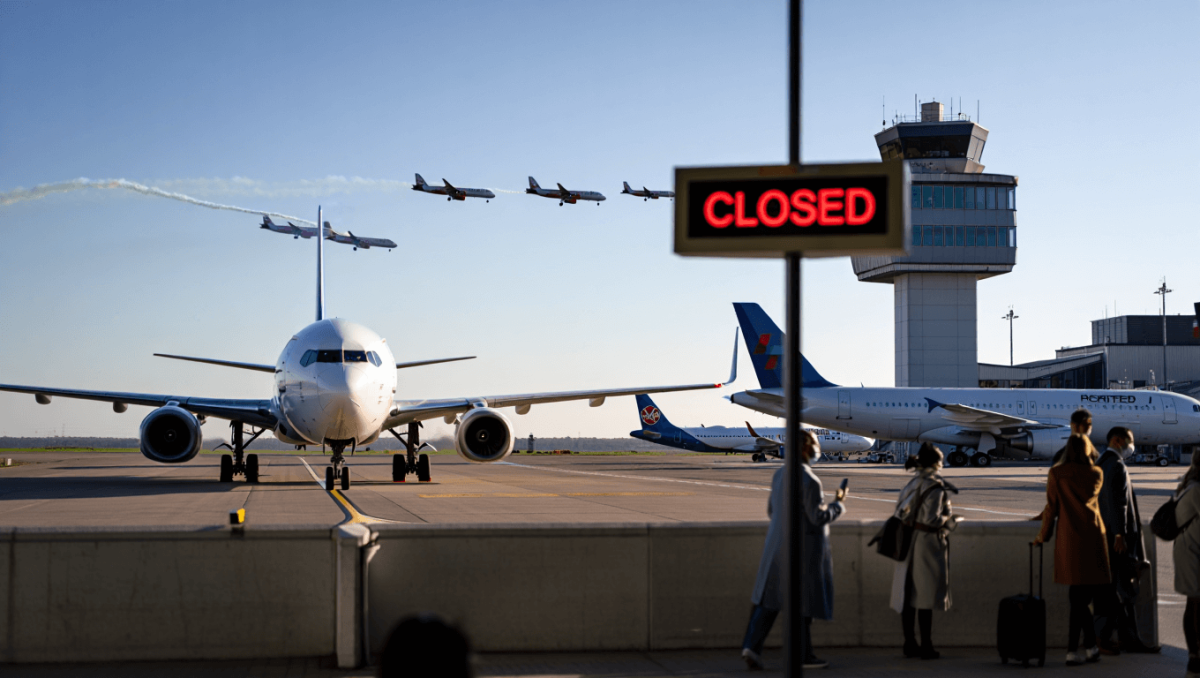
Authorities in parts of the region issued temporary flight bans and restrictions within hours of the strikes. These measures aimed to protect civilian aircraft from potential hazards and to give air traffic control time to reassess safe corridors.
U.S. embassies warn: 5 new travel alerts after demonstrations spread
Arkansas’ Darius Acuff Jr. earns rare Kyrie Irving comp from Bill Simmons
- National aviation agencies issued NOTAMs — official notices to airmen — changing permitted routes.
- Several international carriers paused services to airports near the affected zones.
- Some long-haul flights were rerouted to avoid closed corridors, adding hours to journey times.
Which routes and airports saw the biggest disruption
The most affected services were those crossing contested parts of the Persian Gulf and wider regional airspace. Transit flights between Europe and Asia, as well as regional hops, bore the brunt of the cancellations and detours.
Typical flight impacts
- Direct flights through the affected airspace were either canceled or diverted.
- Layovers increased as airlines chose longer but safer tracks.
- Some small regional airports temporarily closed or reduced operations.
How airlines reacted and what passengers were told
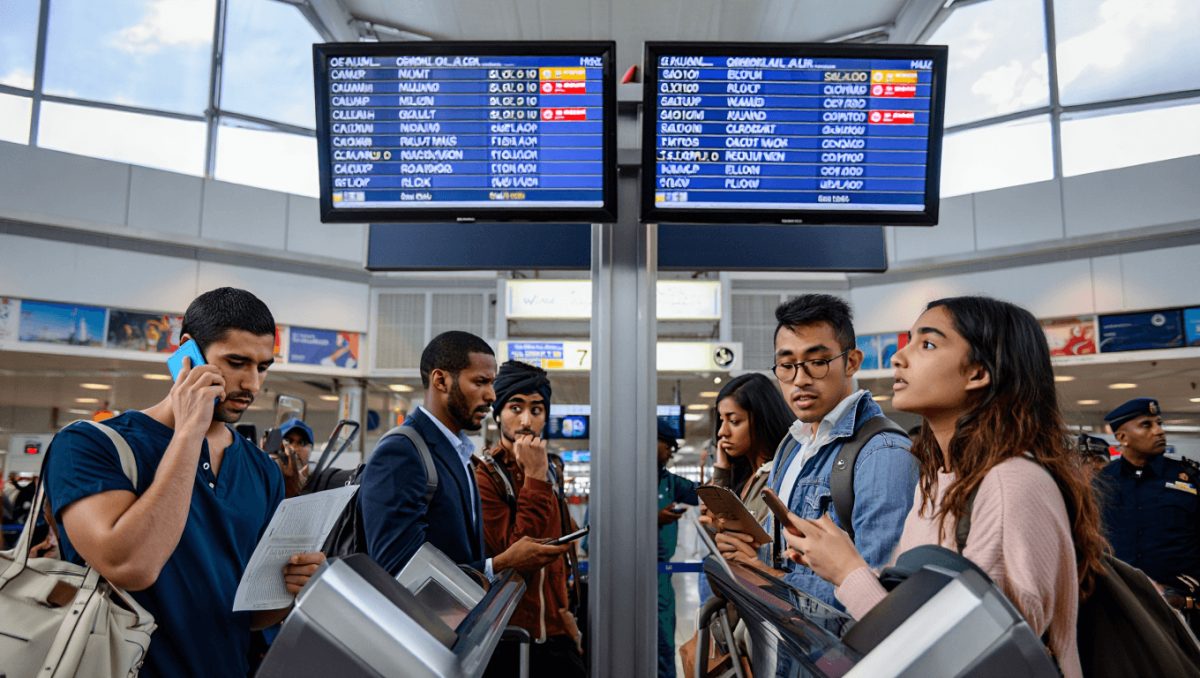
Carriers moved quickly to update timetables, offer rebooking options, and issue travel advisories. Passengers reported receiving text and email alerts about cancellations and alternate itineraries.
- Major airlines provided rebooking without extra fees for affected travelers.
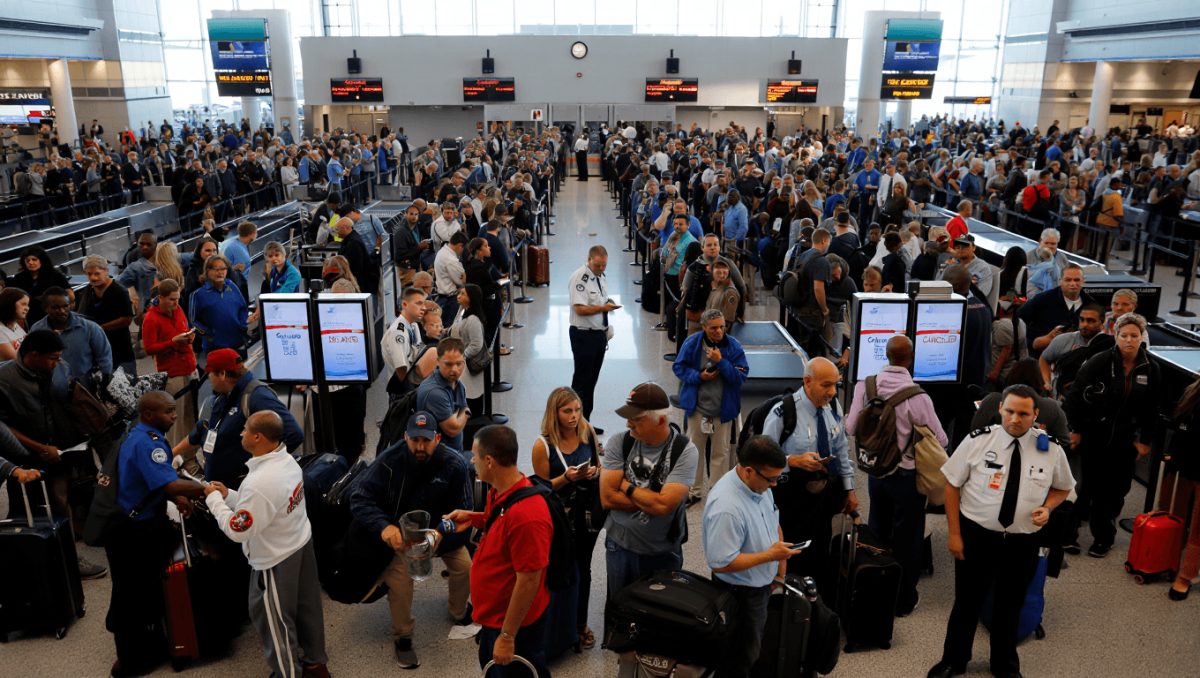
- Ground handling centers saw higher volumes as displaced travelers sought information.
- Some carriers arranged hotel and meal vouchers when delays became overnight stays.
Operational adjustments: reroutes, fuel, and crew planning
When standard airways close, pilots and dispatch teams must plan alternate tracks. Those new paths often increase fuel burn and require additional crew time.
- Rerouted flights typically fly longer distances, raising operating costs.
- Airlines reassigned crew to meet duty-time rules during extended sectors.
- Fuel planning changed to include contingency reserves for longer legs.
Commercial and economic ripple effects
The disruptions had knock-on effects beyond passenger inconvenience. Cargo schedules shifted, supply chains faced delays, and ticket inventories tightened on alternate routes.
- Cargo carriers adjusted manifests to prioritize time-sensitive goods.
- Insurance and security costs rose for flights in the broader region.
- Airfares on unaffected routes saw short-term volatility as capacity tightened.
Air traffic control coordination and international responses
Regional and international aviation bodies coordinated to reopen safe passages and issue guidance. Collaboration focused on sharing intelligence, updating navigation warnings, and resuming flights where safe.
- Air navigation service providers updated airways and handed off routes to neighboring sectors.
- International regulators monitored the situation and advised carriers.
- Flight planning systems received real-time updates to reflect dynamic conditions.
Practical advice for travelers affected by closures
Passengers caught up in cancellations can take steps to reduce stress and secure alternatives. Airlines and airports published guidance to help travelers make quick decisions.
- Contact your airline immediately to request rebooking or refunds.
- Check official NOTAMs or the airline app for live status updates.
- Keep essentials and documents in carry-on luggage if delays look likely.
- Consider travel insurance that covers political or security disruptions.